
Anubias Barteri: The Ultimate Hardy Choice
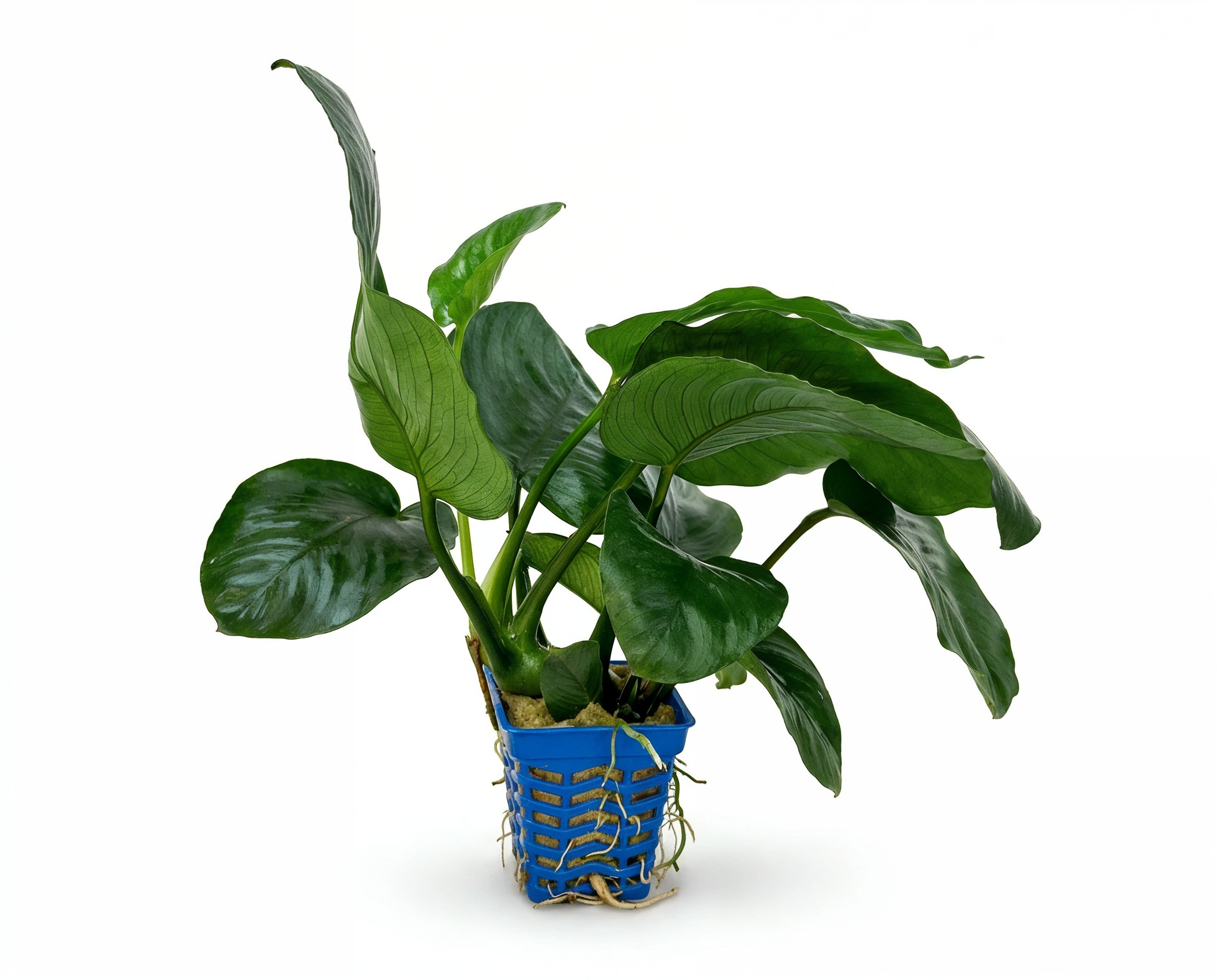
Anubias barteri is a staple for beginners due to its thick, dark green leaves and ability to grow in low-light conditions. It is an epiphyte, meaning it should be attached to driftwood or lava rocks rather than buried in the substrate, which prevents root rot. This plant is incredibly durable and pairs well with curious fish like neon tetras or peaceful snails, as its tough foliage is generally unappealing to plant-eating species. Ensure you leave the rhizome exposed to the water column to allow the plant to thrive while providing a safe hiding spot for shy nano fish.

Java Fern: The Versatile Background Plant
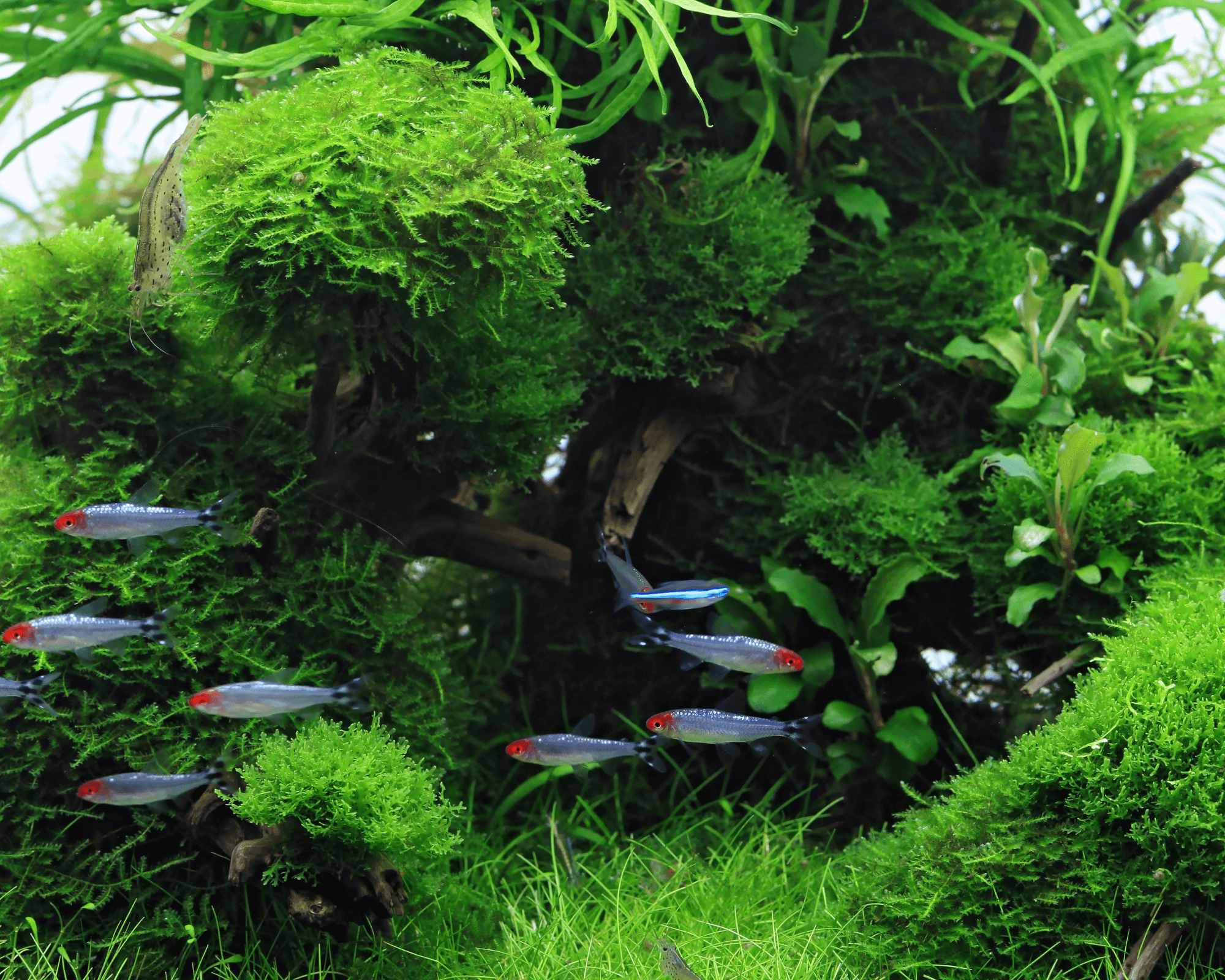
Java fern is another essential for the novice aquarist. Like Anubias, it prefers to be attached to hardscape rather than planted in soil. Its long, flowing leaves provide a lush background that makes the colors of freshwater shrimp, such as Red Cherry or Blue Velvet, truly pop. Because Java fern grows slowly, it does not require frequent pruning. It is a fantastic choice for community tanks housing peaceful nano fish like rasboras, as the dense leaves offer plenty of cover for small fish to feel secure in their environment.

Cryptocoryne Wendtii: Substrate-Loving Greenery
Cryptocoryne wendtii is highly valued for its ability to adapt to various water conditions. Unlike epiphytes, these plants prefer to be rooted in the substrate, where they will slowly spread. Their bronze or green leaves add texture to the midground of your aquarium. These plants are excellent for tanks featuring bottom-dwelling fish, such as corydoras catfish, as the roots help anchor the substrate. Keep in mind that Cryptocoryne can sometimes melt back when first introduced to a new tank, but with stable water parameters, they will bounce back quickly and grow steadily.

Hornwort: Rapid Growth for Water Quality
If you are looking for a plant that grows quickly and helps manage nitrates, Hornwort is an excellent option. It can be left floating or anchored, making it highly versatile for different aquascaping styles. This plant is a favorite among breeders, as its dense, needle-like foliage provides a perfect nursery for baby shrimp and fry to hide from larger tank mates. Because of its fast growth, it helps outcompete algae for nutrients, keeping your tank cleaner. It is an ideal companion for peaceful community fish that enjoy swimming through dense vegetation.

Vallisneria: Creating a Natural Backdrop
Vallisneria, often called jungle val, is a tall, grass-like plant that creates a stunning curtain effect at the back of your aquarium. It is very easy to grow and will propagate through runners, eventually filling in the back of your tank. This plant is perfect for hiding equipment like heaters or filters. It provides excellent vertical cover for schooling fish like guppies or platies, which enjoy weaving through the long leaves. Ensure your substrate is deep enough to support the root system, and avoid using heavy root tabs until the plant has fully established itself.

Java Moss: A Carpet for Nano Inhabitants
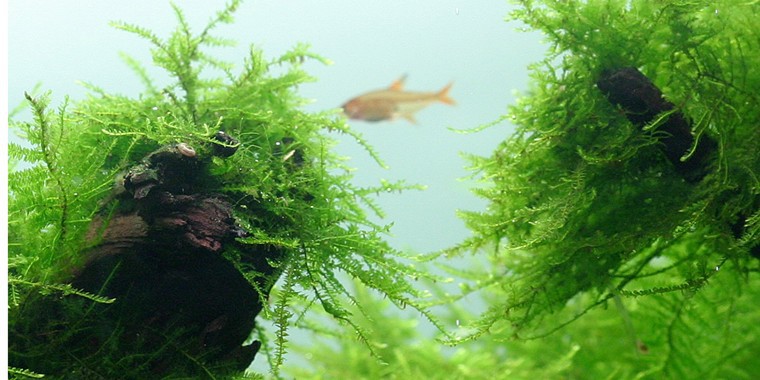
Java moss is perhaps the most resilient moss species available. It can attach to almost any surface, including wood, rocks, or even mesh pads to create a lush green carpet. It is the gold standard for shrimp keepers, as it traps tiny particles of food that shrimp love to graze on. Furthermore, its fine structure offers safe harbor for newborn shrimp, significantly increasing survival rates. It is also a great choice for nano tanks, as it does not grow too large and can be easily trimmed to maintain your desired aquascape shape.
Bacopa Caroliniana: Adding Color and Structure
Bacopa caroliniana is a stem plant that offers a lovely, light green appearance and can even develop a reddish hue under stronger lighting. It is relatively slow-growing for a stem plant, which makes it easier for beginners to manage. Plant these in groups in the midground to create a focal point. They are compatible with most peaceful freshwater fish and are robust enough to withstand the activity of energetic fish like zebra danios. Regular trimming will encourage the plant to grow bushier, providing more shelter for your invertebrates and smaller community fish.

Amazon Sword: A Stately Centerpiece
For larger tanks, the Amazon Sword is a classic centerpiece plant. It grows quite large, with broad, vibrant leaves that make a strong visual statement. Because of its significant size, it is best suited for tanks of 20 gallons (75 liters) or more. These plants are heavy root feeders, so placing a root tab under them will ensure they grow large and healthy. They are perfect for providing shade and shelter for larger, peaceful fish like angelfish or gouramis, creating a natural, river-like feel within your home aquarium.

Frequently Asked Questions
Do I need special lighting for these beginner plants?
Most of these beginner-friendly plants, such as Anubias and Java fern, thrive in low to medium light. Standard LED aquarium lights are usually sufficient for them to grow well without the need for high-end equipment.
Can I keep shrimp and fish together in a planted tank?
Yes, but choose small, peaceful fish like neon tetras, rasboras, or guppies. Avoid aggressive fish or those large enough to view shrimp as food. Plenty of plant cover is essential for successful cohabitation.
How often should I fertilize my aquarium plants?
For low-tech setups, a weekly dose of a general-purpose liquid fertilizer is usually enough. If you have root feeders like Amazon Swords, use root tabs in the substrate once every few months.
 - 2.webp)



 margaritatus (mini fish) - 1.webp)


Leave your comments