AquaLibs presents AquaRank Discover the world’s leading aquascapers

Explore transparent rankings built from published results across the world’s leading aquascaping contests.

Carnegiella marthae (Blackwing Hatchetfish)

Overview

The Blackwing Hatchetfish (Carnegiella marthae) is an incredibly unique freshwater fish beloved for its distinctive profile and top-water antics. Belonging to the family Gasteropelecidae, these fish are true surface dwellers that rarely venture into the middle or lower levels of the aquarium. They are famous for their ability to jump or "fly" out of the water to evade predators or catch low-flying insects, making a tight-fitting aquarium lid an absolute necessity.

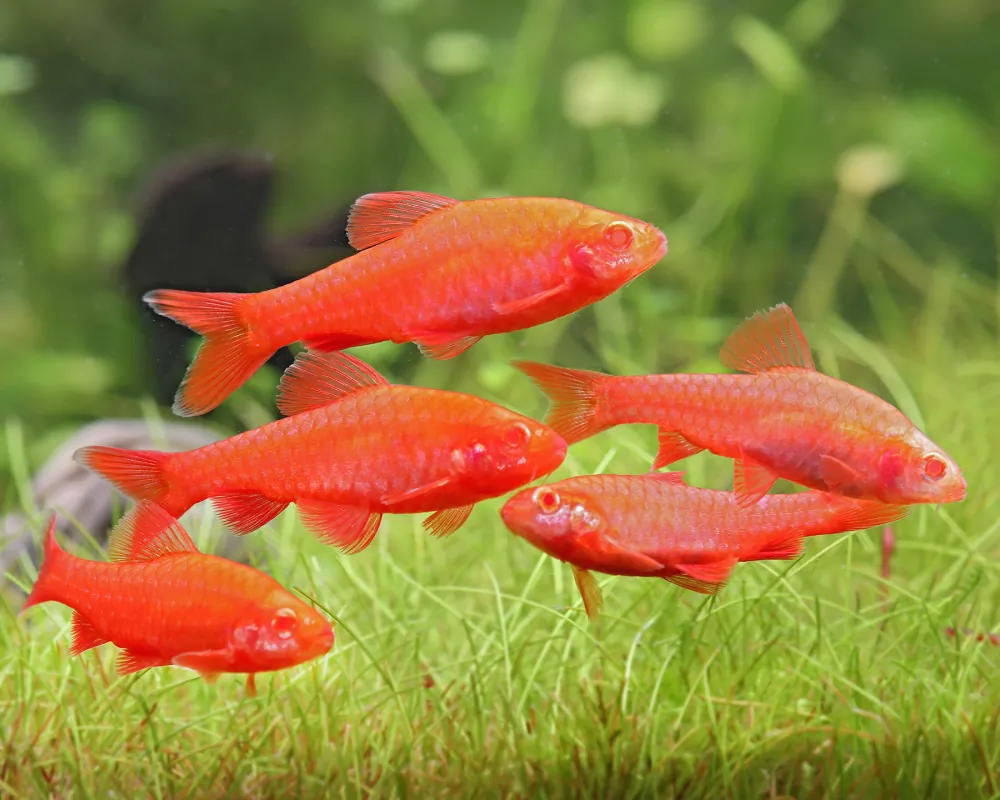
Image of blackwing hatchetfish carnegiella marthae

Distribution and Habitat

Native to South America, the Blackwing Hatchetfish is primarily found in the Orinoco and Rio Negro river basins in Venezuela and Brazil. They inhabit slow-moving, blackwater streams, tributaries, and flooded forest areas. These waters are typically heavily shaded by overhanging vegetation, stained dark with tannins from decaying leaves, and very soft and acidic.

Description of Blackwing Hatchetfish

Body shape:

They possess a highly specialized, laterally compressed body with a deeply keeled, convex belly that houses powerful muscles used for jumping.

Color:

The body is predominantly silver with a dark horizontal stripe running from the gills to the tail. Their most defining feature is the black edging and mottling along their prominent pectoral fins and lower keel.

Barbels:

This species does not possess barbels.

Snout:

They have a sharply upturned mouth perfectly adapted for feeding on insects and organic matter at the water's surface.

Eyes:

Their eyes are relatively large and positioned high on the head, allowing them to spot prey above the water line as well as predators below.

Fins:

The pectoral fins are greatly enlarged and wing-like, set high on the body to aid in their leaping ability. The dorsal and anal fins are relatively small and set far back on the body.

The Tail:

The caudal (tail) fin is forked and mostly clear, providing swift propulsion when the fish needs to quickly accelerate across the surface.

Temper

The Blackwing Hatchetfish is a very peaceful but skittish species. They are easily startled by sudden movements, loud noises, or aggressive tank mates, which can trigger their instinct to jump.

Sociality

This is a highly gregarious schooling fish. They feel most secure and display their best natural behaviors when kept in groups of at least six to eight individuals. Keeping them in smaller numbers will result in stress and a weakened immune system.

Activity

They are active swimmers that spend almost 100% of their time at the very top of the water column. They will often hover in the current, waiting for food to drift by, and will occasionally dart across the surface.

Keeping and Caring for Blackwing Hatchetfish

Tank size:

A minimum tank size of 15 to 20 gallons is required. Because they are surface dwellers, the footprint (length and width) of the tank is far more important than its depth. A completely secure, gap-free lid is mandatory to prevent them from jumping out.

Water Parameters:

Temperature

They thrive in warm tropical waters ranging from 23-27°C (73-81°F).

pH

They prefer slightly acidic conditions, with a pH range of 5.5 to 7.0 being ideal.

Hardness

Soft water is essential, ideally kept between 1 and 10 dGH.

Ammonia, Nitrite, Nitrate

Ammonia and Nitrite must always be at 0 ppm. Nitrates should be kept as low as possible, ideally below 20 ppm, through regular water changes.

Lighting

They prefer dim to moderate lighting. Bright lighting can cause stress unless it is heavily diffused by floating vegetation.

Water flow

A gentle to moderate surface flow mimics their natural stream habitat and encourages their natural hovering behavior.

Decorations and Plants

Floating plants (like Amazon Frogbit or Dwarf Water Lettuce) are highly recommended as they provide cover and make the fish feel secure. Driftwood and botanicals (like Indian almond leaves) can be added to the bottom to release beneficial tannins.

Diet

In the wild, they are primarily insectivores. In the aquarium, they will readily accept high-quality floating flakes or micro-pellets. To ensure optimal health, supplement their diet with freeze-dried, frozen, or live foods such as bloodworms, mosquito larvae, daphnia, and flightless fruit flies.

Some Feeding Tips

Because of their upturned mouths and surface-dwelling nature, they will rarely chase food as it sinks. Ensure you offer foods that stay afloat for a long time, and feed small amounts to prevent excess waste from sinking uneaten.

Breeding

Breeding the Blackwing Hatchetfish in captivity is considered difficult. They are egg scatterers that typically spawn among the roots of floating plants. To encourage spawning, the water must be very soft and acidic, and the breeding pair must be heavily conditioned with live insects. After spawning, the parents will eat the eggs, so they must be removed immediately. The fry are exceptionally tiny and require infusoria until they are large enough to accept baby brine shrimp.

Conclusion

The Blackwing Hatchetfish is a captivating addition to a peaceful, soft-water community tank. While they require a bit of extra care regarding water quality and an absolutely secure lid, their unique appearance and engaging surface behaviors make them a rewarding species for intermediate aquarists.

Fish info

  • Care level: Moderate
  • Temperament: Peaceful
  • Adult size: 3.5 cm
  • Life expectancy: 3-5 years
  • Fish type: Hatchetfish
  • Temperature : 23-27°C
  • pH: 5.5-7.0
  • Color Form: Black, Clear, Silver
Related on Fishs
Leave your comments
Latest on Fishs
  • Firemouth Cichlid (Thorichthys meeki)

    Firemouth Cichlid (Thorichthys meeki)

    The Firemouth Cichlid is a popular and visually striking freshwater fish native to Central America. Known for its intense red coloration in the throat region, especially when displaying, this cichlid is a favorite among hobbyists. While generally manageable, they require appropriate tank conditions and space to thrive, reflecting their natural territorial behaviors during breeding cycles.
  • Fairy Cichlid (Neolamprologus brichardi)

    Fairy Cichlid (Neolamprologus brichardi)

    The Fairy Cichlid, Neolamprologus brichardi, is a popular and elegant species endemic to Lake Tanganyika. Known for its distinct lyre-shaped tail and complex social behavior, this cichlid is a fascinating inhabitant for dedicated aquarists. They are renowned for their unique cooperative breeding strategy, where older offspring assist their parents in protecting and raising subsequent broods within the established family territory.
  • Butterfly Cichlid (Microgeophagus ramirezi)

    Butterfly Cichlid (Microgeophagus ramirezi)

    The Butterfly Cichlid, scientifically known as Microgeophagus ramirezi, is a popular dwarf cichlid native to the Orinoco River basin in South America. These vibrant, peaceful fish are highly sought after by aquarists for their striking coloration and engaging personality. They thrive in well-maintained, planted aquariums that mimic their natural, slow-moving tropical river habitats.
  • Lemon Gold Butterfly Cichlid (Microgeophagus ramirezi)

    Lemon Gold Butterfly Cichlid (Microgeophagus ramirezi)

    The Lemon Gold Butterfly Cichlid is a stunning, selectively bred color variant of the popular Microgeophagus ramirezi. Known for its vibrant yellow-gold pigmentation and striking red eyes, this dwarf cichlid retains the peaceful, inquisitive personality of its wild ancestors. It is a highly sought-after aquarium inhabitant that adds a brilliant splash of color to community tanks with appropriate water conditions.
  • Microgeophagus ramirezi Gold (Butterfly Cichlid)

    Microgeophagus ramirezi Gold (Butterfly Cichlid)

    The Gold Butterfly Cichlid is a stunning, selectively bred color morph of the popular Microgeophagus ramirezi. Known for its vibrant, warm golden-yellow coloration and peaceful demeanor, this dwarf cichlid is a favorite among aquarists. Requiring stable, high-quality water conditions and a well-planted environment, it thrives in pairs and adds significant beauty to established freshwater community aquariums.
  • Electric Blue Butterfly Cichlid (Mikrogeophagus ramirezi)

    Electric Blue Butterfly Cichlid (Mikrogeophagus ramirezi)

    The Electric Blue Butterfly Cichlid is a stunning, selectively bred color morph of the popular Mikrogeophagus ramirezi. Known for its intense, iridescent blue coloration covering almost the entire body, this dwarf cichlid is a centerpiece for many community tanks. While beautiful, it requires stable water conditions and careful maintenance to ensure it thrives in an aquarium environment.
  • Blue Punk Butterfly Cichlid (Microgeophagus ramirezi)

    Blue Punk Butterfly Cichlid (Microgeophagus ramirezi)

    The Blue Punk Butterfly Cichlid is a striking, selectively bred color morph of the popular Microgeophagus ramirezi. Known for its intense, metallic blue coloration and unique head patterning, this dwarf cichlid is a prized addition to planted aquariums. While beautiful, it requires stable water conditions and careful maintenance to ensure its long-term health and vibrant appearance in a home setting.
  • Neon Blue Aequidens pulcher

    Neon Blue Aequidens pulcher

    The Neon Blue Aequidens pulcher, a selectively bred variant of the common Blue Acara, is a striking South American cichlid. Known for its intense, iridescent blue coloration, this hardy fish is a popular choice for hobbyists. It exhibits classic cichlid behavior, including complex social structures and dedicated parental care, making it an engaging addition to appropriately sized community tanks.
  • Apistogramma viejita

    Apistogramma viejita

    Apistogramma viejita is a striking dwarf cichlid native to the blackwater regions of Colombia. Known for its vibrant coloration and relatively peaceful demeanor, this species is a popular choice for dedicated aquarists. Thriving in small, well-planted aquariums, these cichlids require stable water conditions and plenty of hiding spots to feel secure and exhibit their natural, fascinating behaviors.
  • Veiltail Angelfish (Pterophyllum scalare)

    Veiltail Angelfish (Pterophyllum scalare)

    The Veiltail Angelfish is a striking variety of the popular Pterophyllum scalare, known for its dramatically elongated fins and graceful movement. Originating from the Amazon Basin, these cichlids have become staples in the aquarium hobby. They require spacious, well-maintained environments to thrive, offering aquarists a beautiful, albeit demanding, centerpiece fish that displays complex social behaviors and distinct personality traits.
  • Molly Lyra Mix (Poecilia sphenops/latipinna)

    Molly Lyra Mix (Poecilia sphenops/latipinna)

    The Molly Lyra Mix is a popular, selectively bred ornamental fish derived from Poecilia species. Recognized for their elongated, flowing finnage, these livebearers are highly adaptable and come in various color patterns. They are well-suited for community aquariums, provided that their specific dietary needs and water chemistry requirements are consistently met by the aquarist.
  • Metallic Cobra Guppy (Poecilia reticulata)

    Metallic Cobra Guppy (Poecilia reticulata)

    The Metallic Cobra Guppy is a selectively bred color variant of the common guppy, Poecilia reticulata. Known for its striking, iridescent scales and intricate, snake-like patterns on the tail and body, this livebearing fish is a staple in the aquarium hobby. They are hardy, adaptable, and highly active, making them an excellent choice for both beginner and experienced fishkeepers alike.
  • Bagrus meridionalis (Kapango)

    Bagrus meridionalis (Kapango)

    Expert Only
    Catfish
    The Kapango (Bagrus meridionalis) is a highly sought-after and rare predatory catfish endemic to Lake Malawi. Known for its impressive size and fascinating parental care in the wild, this magnificent species is a true rarity in the aquarium hobby, requiring massive setups and specialized care from dedicated aquarists.
  • Aphyosemion australe (Golden Lyretail Killifish)

    Aphyosemion australe (Golden Lyretail Killifish)

    Moderate
    Killifish
    The Golden Lyretail Killifish, a stunning selectively bred variant of the Cape Lopez Killifish, originates from West Africa. Renowned for its vibrant orange-gold coloration and elegant lyre-shaped tail, this non-annual killifish is highly prized by aquarists. It exhibits peaceful behavior but requires a well-planted, tightly covered aquarium to thrive.
  • Garra rufa (Kangal Nibble Fish)

    Garra rufa (Kangal Nibble Fish)

    Moderate
    Cyprinid
    Famous worldwide as the "Doctor Fish" used in spa treatments, the Kangal Nibble Fish is a fascinating, active bottom-dweller native to the Middle East. In the aquarium, they are prized for their peaceful nature, constant grazing on algae, and unique, highly engaging behaviors.
  • Melanotaenia trifasciata (Banded Rainbowfish)

    Melanotaenia trifasciata (Banded Rainbowfish)

    Easy - Moderate
    Rainbowfish
    The Banded Rainbowfish, also known as the Jewel Rainbowfish, is a stunning, active schooling fish native to Northern Australia. Renowned for its dazzling, location-specific color variations and peaceful nature, it brings vibrant energy to any large community aquarium. Captive-bred specimens (DNZ) are particularly hardy and adaptable to home aquariums.