AquaLibs presents AquaRank Discover the world’s leading aquascapers

Explore transparent rankings built from published results across the world’s leading aquascaping contests.

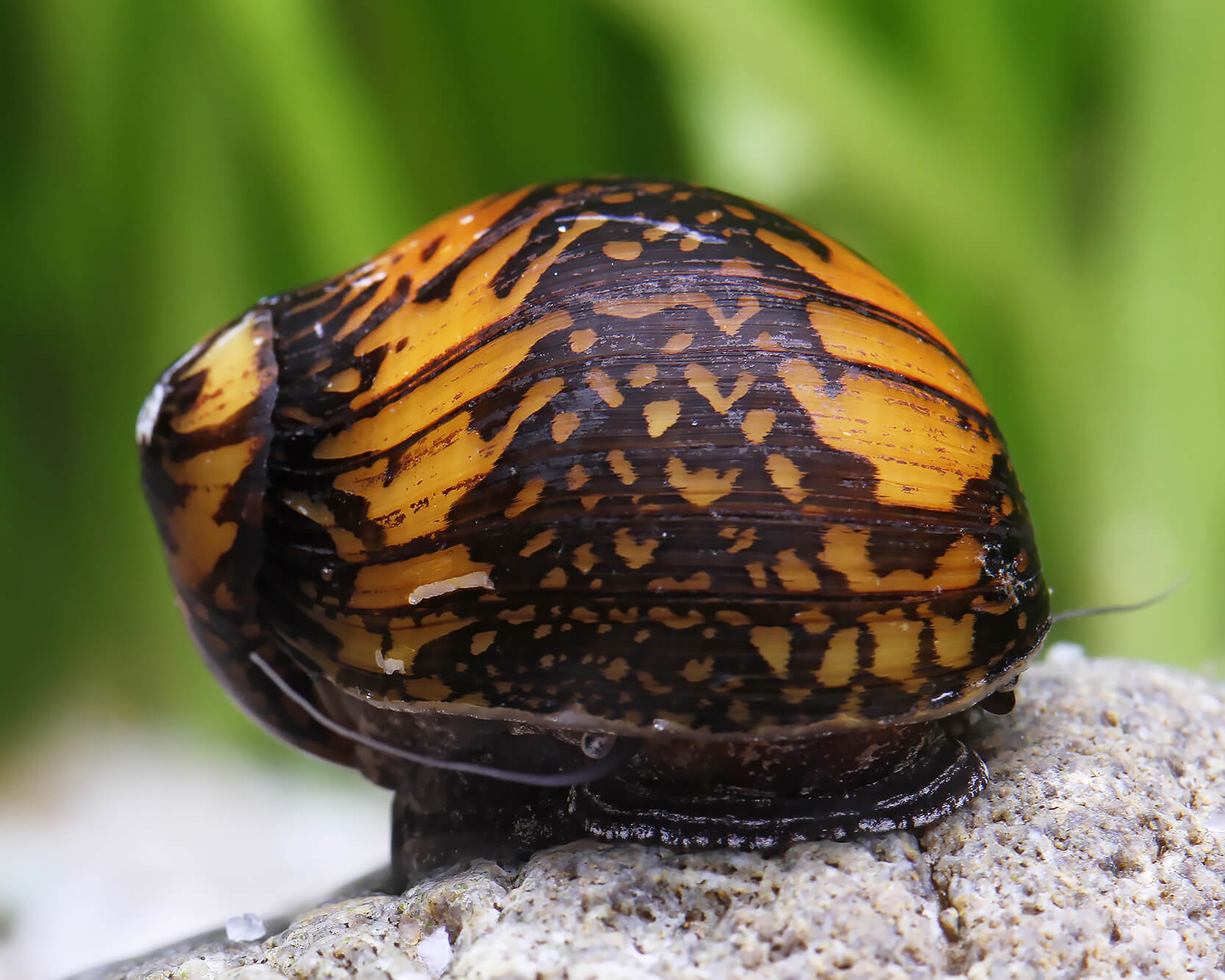
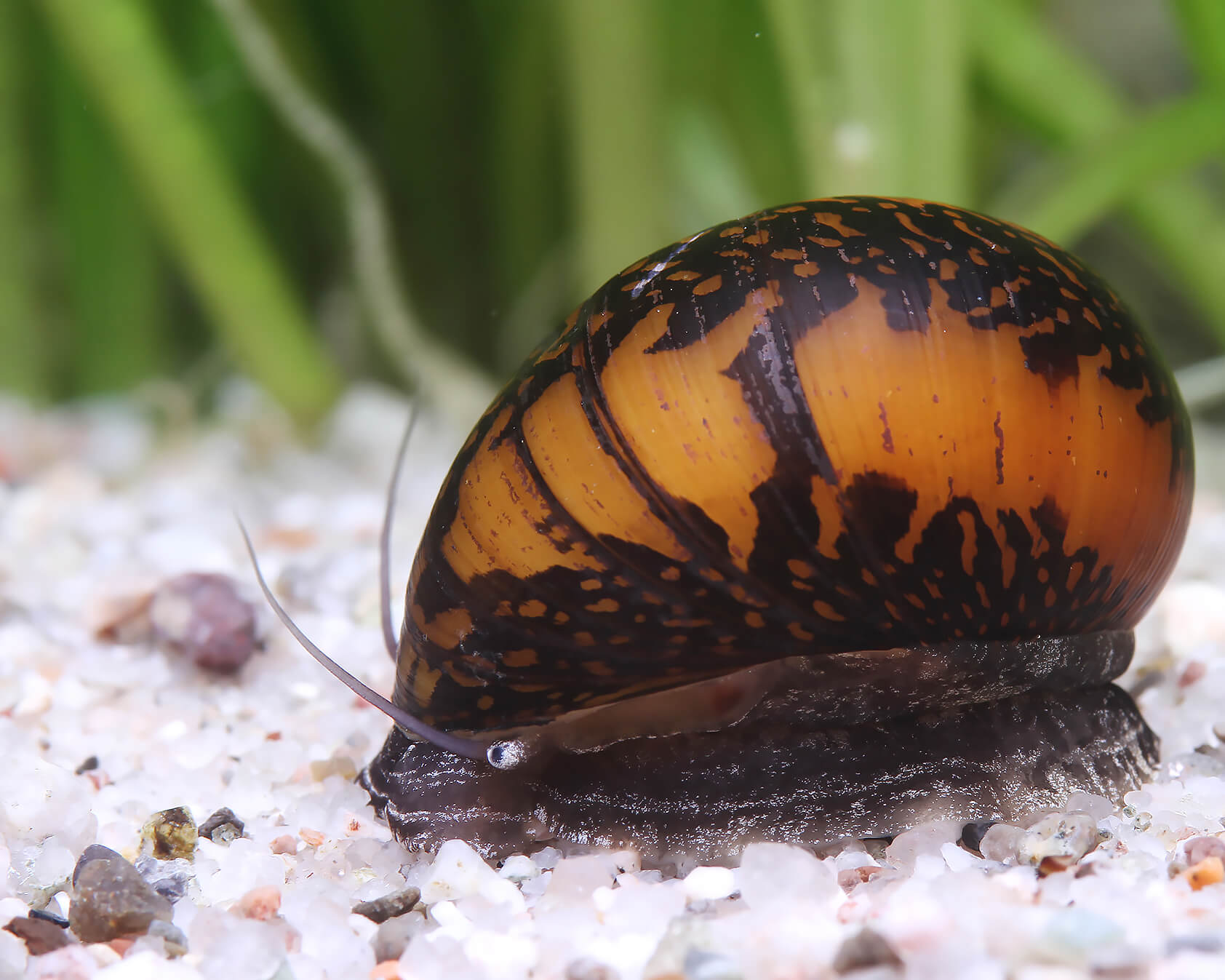
Batik Snail (Neritina variegata)

Taxonomy and Habitat

The Batik snail belongs to the family Neritidae. They are typically found in tropical freshwater or brackish environments, often inhabiting rivers and streams with rocky substrates where they graze on biofilms and algae. Their robust shells are adapted to withstand current and potential predators.

Taxonomy and Habitat

Water Parameters

These snails thrive in stable water conditions. A pH ranging from 6.5 to 8.5 is generally suitable, provided the water is not overly acidic, which can erode their shells. Temperatures between 20 and 28 degrees Celsius are ideal for their activity levels.
Water Parameters

Feeding and Plant Safety

Batik snails are primarily algae eaters. They graze on diatoms and soft green algae found on glass, rocks, and hardscape. They are completely safe for aquatic plants, as they do not consume healthy plant tissue. Supplemental feeding with blanched vegetables or algae wafers may be necessary if natural algae sources are exhausted.
Feeding and Plant Safety

Reproduction and Population Control

Reproduction is a major advantage for many aquarists. While these snails will readily deposit small, white, sesame-seed-like eggs on hard surfaces, these eggs generally require brackish water conditions to hatch. Consequently, they will not become an invasive pest in a standard freshwater aquarium, as their population will not increase spontaneously.

Snail info

Leave your comments
Latest on Snails
  • Batman Snail (Neritina taitensis)

    Batman Snail (Neritina taitensis)

    The Batman snail, scientifically known as Neritina taitensis, is a unique freshwater gastropod often kept by aquarists for its distinct shell morphology and algae-eating habits. Originating from tropical regions, this species is appreciated for its ability to clean hard surfaces in the aquarium. Proper care requires stable water conditions and a diet supplemented with biofilm and algae.
  • Biofilm Grazing Snail Combinations

    Biofilm Grazing Snail Combinations

    Biofilm grazing snails are popular additions to freshwater aquariums for their ability to naturally manage bacterial mats and algae. This set typically features a mix of species, such as Neritidae and Planorbidae, which function as effective cleanup crews. These invertebrates thrive in established tanks, providing essential maintenance while adding biodiversity to the underwater landscape through their varied shell patterns and colors.
  • Blue Post Horn Snail (Planorbella duryi)

    Blue Post Horn Snail (Planorbella duryi)

    The blue post horn snail is a popular freshwater gastropod known for its striking shell coloration and active nature in home aquariums. As a color variant of the common ramshorn snail, it is highly valued by hobbyists for its algae-consuming habits and ease of care, making it a suitable addition to many community tank setups.
  • Asian Apple Snail (Pila ampullacea)

    Asian Apple Snail (Pila ampullacea)

    The Asian apple snail, Pila ampullacea, is a large freshwater gastropod known for its robust shell and respiratory versatility. Often kept by hobbyists for its interesting behavior and appearance, this species requires careful environmental management. While fascinating, keepers must be aware of its dietary habits and potential impact on aquarium plants, as well as its specific reproductive requirements in captivity.
  • Antlered Snail (Clithon diadema)

    Antlered Snail (Clithon diadema)

    The Antlered snail, commonly identified as Clithon diadema, is a popular freshwater gastropod known for its distinctive shell protrusions. These small, decorative snails are highly valued in the aquarium hobby for their efficient algae-eating capabilities. While they exhibit a striking black and gold appearance, exact species identification within the Clithon genus can sometimes be challenging due to natural variations.
  • Neritina pulligera: The Anthracite Cup Snail

    Neritina pulligera: The Anthracite Cup Snail

    The Anthracite Cup Snail, scientifically known as Neritina pulligera and often referred to as the Steel Helmet Snail, is a popular freshwater gastropod among aquarium enthusiasts. Known for its dark, robust shell and effective algae-eating capabilities, this species is a peaceful addition to many community tanks, provided its specific environmental needs are met for long-term health and vitality.
  • Algae-Eating Snails: Neritina and Clithon

    Algae-Eating Snails: Neritina and Clithon

    Neritina and Clithon snails are highly regarded members of the Neritidae family, valued for their exceptional efficiency in controlling algae within freshwater aquariums. These snails are popular among hobbyists for their diverse shell patterns and generally peaceful nature. They are primarily scavengers that thrive in stable environments, making them suitable additions to many community tanks.
  • Tylomelania Snail Care Guide

    Tylomelania Snail Care Guide

    Tylomelania snails, often called rabbit snails, are distinctive freshwater mollusks native to the ancient lake systems of Sulawesi, Indonesia. Known for their elongated, spiraled shells and expressive, trunk-like faces, these snails are popular among hobbyists. They thrive in stable, alkaline environments and require specialized care to maintain their health and shell integrity in home aquaria.
  • Tylomelania species mixed varieties

    Tylomelania species mixed varieties

    Tylomelania snails, often known as Sulawesi snails, are striking freshwater gastropods prized for their unique, elongated shells and active, curious nature. This mixed group represents various color forms found within the genus. Due to the high diversity and frequent cross-breeding in the wild, exact species identification can be challenging, necessitating careful observation of their specific needs in captivity.
  • Brotia herculea (Hercules Snail)

    Brotia herculea (Hercules Snail)

    Meet the Hercules Snail (Brotia herculea), a gentle giant of the freshwater aquarium world. Known for its impressive, elongated, and heavily textured shell, this peaceful scavenger is an excellent addition to large setups. Despite its massive size, it is entirely plant-safe, making it a favorite among dedicated aquascapers.
  • Brotia armata (Hedgehog Snail)

    Brotia armata (Hedgehog Snail)

    Meet the Hedgehog Snail (Brotia armata), a unique and striking freshwater invertebrate known for its heavily spiked, towering shell. Native to fast-flowing Asian rivers, this fascinating scavenger adds incredible texture and a prehistoric aesthetic to your aquarium while remaining completely peaceful and an excellent algae eater.
  • Thiara cancellata (Hairy Trumpet Snail)

    Thiara cancellata (Hairy Trumpet Snail)

    Add a touch of the exotic to your aquarium with the Hairy Trumpet Snail (Thiara cancellata). Instantly recognizable by the fascinating, hair-like spikes adorning its spiraled shell, this peaceful scavenger is a master of substrate aeration. It works tirelessly to consume detritus while remaining a visually striking, low-maintenance addition.
  • Lanistes lybicus (Grooved Apple Snail)

    Lanistes lybicus (Grooved Apple Snail)

    Discover the fascinating Grooved Apple Snail (Lanistes lybicus), a unique freshwater species native to West Africa. Known for its distinctively banded, grooved shell and peaceful temperament, this intriguing snail makes an excellent addition to planted aquariums, offering both aesthetic appeal and effective algae-cleaning abilities for dedicated aquarists.
  • Clithon corona (Green Staghorn Snail)

    Clithon corona (Green Staghorn Snail)

    The Green Staghorn Snail (Clithon corona), also known as the Horned Nerite, is a fascinating and highly efficient algae eater. Sporting unique, crown-like spikes and stunning shell patterns, this peaceful freshwater snail adds both aesthetic appeal and practical cleaning power to any planted aquarium setup.
  • Septaria porcellana (Green Mussel Snail)

    Septaria porcellana (Green Mussel Snail)

    Meet the Green Mussel Snail (Septaria porcellana), a unique, limpet-like freshwater snail renowned for its exceptional algae-clearing abilities. With its flattened, intricately patterned shell and peaceful demeanor, this fascinating gastropod is a must-have for aquarists looking to maintain spotless glass and hardscape without the risk of overpopulation.
  • Neritina sp. (Golden Limpet Snail)

    Neritina sp. (Golden Limpet Snail)

    Meet the Golden Limpet Snail, a unique and highly effective algae eater for your freshwater aquarium. With its flat, striking golden-hued shell, this peaceful gastropod tightly grips surfaces, making it impervious to most predators. It’s an excellent, low-maintenance addition for keeping glass and hardscapes spotless without harming live plants.