AquaLibs presents AquaRank Discover the world’s leading aquascapers

Explore transparent rankings built from published results across the world’s leading aquascaping contests.

Tracked Nerite Snail

They are less popular than other varieties of nerite snail and are less likely to be seen in a LFS. Tracked Nerite Snails will keep the glass clear of algae and remove aquarium detriment. They may need to be fed suplemental food due to their larger size of up to 1".

Tracked Nerite Snails can be kept with other non aggressive shrimp, fish and snail species without problem. Tracked Nerite Snails will remove algae from both the glass and substrate on a regular basis. They will also stir the surface of the substrate and remove any organic matter such as food or waste.
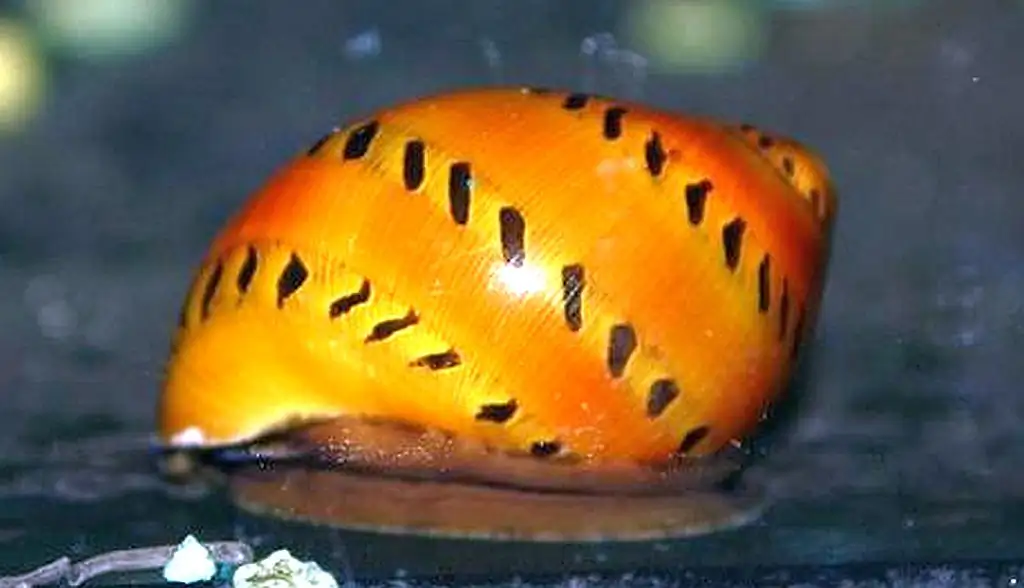
Tracked Nerite Snails are known as a species of 'tidal snail'. The name comes from the ability of the snail to live out of the water for prolonged periods of time. Unfortunately it is not uncommon for Tracked Nerite Snails to escape the aquarium. They are fairly easy to find and can be picked up and placed back into the aquarium. It is encouraged to keep a daily eye on Tracked Nerite Snails.

Temperature ~75°F

The optimum aquarium temperature for Tracked Nerite Snails is around 70°F - 80°F (21°C-27°C).

pH ~7 | Hardness 7

Tracked Nerite Snails require pH between about 6.5 and 8. Relative water hardness for Horned Nerite Snails should be in the range of 6-12dH. Tracked Nerite Snails are hardy species and are able to withstand captivity fluctuations.

Max Size ~1"

Tracked Nerite Snails can grow up to 1" and are larger than other species of nerite snails. They are suitable for medium/large sized aquariums only.

Nitrite 0ppm

Nitrite should always be 0.

Ammonia 0ppm

Tracked Nerite Snails are sensitive to ammonia spikes.

Nitrate >40ppm

Nitrates should be as close to 0ppm as possible. Tracked Nerite Snails consume debris contributing to lower nitrates.

Stocking Guide

Tracked Nerite Snails are excellent at consuming debris and algae. However in large numbers they will require extra food. For this reason it is wise to stock no more than one snail for every 7 gallons of aquarium water. Tracked Nerite Snails live up to one year and grow up to 1" in size.

Feeding

Tracked Nerite Snails sometimes need supplemental food if there is low organic matter and algae in the aquarium. Tracked Nerite Snails can simply be fed commercial flake and pellet food. They are efficient cleaners and will leave the glass and substrate very clean. They are not fussy eaters. The filter should be turned off during feeding to allow the food to float to the substrate where it is easily accessible for the Tracked Nerite Snails.

Breeding

Tracked Nerite Snails won't reproduce in freshwater. Tracked Nerite Snails will only reproduce in brackish salty water. Raising young in freshwater is impossible and raising them in brackish water is very difficult. It is also important to note Tracked Nerite Snails successfully raised in captivity have much shorter life spans.

Snail info

  • Temperature : 21 - 27
  • pH: 6.5 - 8.0
  • Color Form: Black, Orange, Red, Yellow
Leave your comments
Latest on Snails
  • Biofilm Grazing Snail Combinations

    Biofilm Grazing Snail Combinations

    Biofilm grazing snails are popular additions to freshwater aquariums for their ability to naturally manage bacterial mats and algae. This set typically features a mix of species, such as Neritidae and Planorbidae, which function as effective cleanup crews. These invertebrates thrive in established tanks, providing essential maintenance while adding biodiversity to the underwater landscape through their varied shell patterns and colors.
  • Blue Post Horn Snail (Planorbella duryi)

    Blue Post Horn Snail (Planorbella duryi)

    The blue post horn snail is a popular freshwater gastropod known for its striking shell coloration and active nature in home aquariums. As a color variant of the common ramshorn snail, it is highly valued by hobbyists for its algae-consuming habits and ease of care, making it a suitable addition to many community tank setups.
  • Asian Apple Snail (Pila ampullacea)

    Asian Apple Snail (Pila ampullacea)

    The Asian apple snail, Pila ampullacea, is a large freshwater gastropod known for its robust shell and respiratory versatility. Often kept by hobbyists for its interesting behavior and appearance, this species requires careful environmental management. While fascinating, keepers must be aware of its dietary habits and potential impact on aquarium plants, as well as its specific reproductive requirements in captivity.
  • Antlered Snail (Clithon diadema)

    Antlered Snail (Clithon diadema)

    The Antlered snail, commonly identified as Clithon diadema, is a popular freshwater gastropod known for its distinctive shell protrusions. These small, decorative snails are highly valued in the aquarium hobby for their efficient algae-eating capabilities. While they exhibit a striking black and gold appearance, exact species identification within the Clithon genus can sometimes be challenging due to natural variations.
  • Neritina pulligera: The Anthracite Cup Snail

    Neritina pulligera: The Anthracite Cup Snail

    The Anthracite Cup Snail, scientifically known as Neritina pulligera and often referred to as the Steel Helmet Snail, is a popular freshwater gastropod among aquarium enthusiasts. Known for its dark, robust shell and effective algae-eating capabilities, this species is a peaceful addition to many community tanks, provided its specific environmental needs are met for long-term health and vitality.
  • Algae-Eating Snails: Neritina and Clithon

    Algae-Eating Snails: Neritina and Clithon

    Neritina and Clithon snails are highly regarded members of the Neritidae family, valued for their exceptional efficiency in controlling algae within freshwater aquariums. These snails are popular among hobbyists for their diverse shell patterns and generally peaceful nature. They are primarily scavengers that thrive in stable environments, making them suitable additions to many community tanks.
  • Tylomelania Snail Care Guide

    Tylomelania Snail Care Guide

    Tylomelania snails, often called rabbit snails, are distinctive freshwater mollusks native to the ancient lake systems of Sulawesi, Indonesia. Known for their elongated, spiraled shells and expressive, trunk-like faces, these snails are popular among hobbyists. They thrive in stable, alkaline environments and require specialized care to maintain their health and shell integrity in home aquaria.
  • Tylomelania species mixed varieties

    Tylomelania species mixed varieties

    Tylomelania snails, often known as Sulawesi snails, are striking freshwater gastropods prized for their unique, elongated shells and active, curious nature. This mixed group represents various color forms found within the genus. Due to the high diversity and frequent cross-breeding in the wild, exact species identification can be challenging, necessitating careful observation of their specific needs in captivity.
  • Brotia herculea (Hercules Snail)

    Brotia herculea (Hercules Snail)

    Meet the Hercules Snail (Brotia herculea), a gentle giant of the freshwater aquarium world. Known for its impressive, elongated, and heavily textured shell, this peaceful scavenger is an excellent addition to large setups. Despite its massive size, it is entirely plant-safe, making it a favorite among dedicated aquascapers.
  • Brotia armata (Hedgehog Snail)

    Brotia armata (Hedgehog Snail)

    Meet the Hedgehog Snail (Brotia armata), a unique and striking freshwater invertebrate known for its heavily spiked, towering shell. Native to fast-flowing Asian rivers, this fascinating scavenger adds incredible texture and a prehistoric aesthetic to your aquarium while remaining completely peaceful and an excellent algae eater.
  • Thiara cancellata (Hairy Trumpet Snail)

    Thiara cancellata (Hairy Trumpet Snail)

    Add a touch of the exotic to your aquarium with the Hairy Trumpet Snail (Thiara cancellata). Instantly recognizable by the fascinating, hair-like spikes adorning its spiraled shell, this peaceful scavenger is a master of substrate aeration. It works tirelessly to consume detritus while remaining a visually striking, low-maintenance addition.
  • Lanistes lybicus (Grooved Apple Snail)

    Lanistes lybicus (Grooved Apple Snail)

    Discover the fascinating Grooved Apple Snail (Lanistes lybicus), a unique freshwater species native to West Africa. Known for its distinctively banded, grooved shell and peaceful temperament, this intriguing snail makes an excellent addition to planted aquariums, offering both aesthetic appeal and effective algae-cleaning abilities for dedicated aquarists.
  • Clithon corona (Green Staghorn Snail)

    Clithon corona (Green Staghorn Snail)

    The Green Staghorn Snail (Clithon corona), also known as the Horned Nerite, is a fascinating and highly efficient algae eater. Sporting unique, crown-like spikes and stunning shell patterns, this peaceful freshwater snail adds both aesthetic appeal and practical cleaning power to any planted aquarium setup.
  • Septaria porcellana (Green Mussel Snail)

    Septaria porcellana (Green Mussel Snail)

    Meet the Green Mussel Snail (Septaria porcellana), a unique, limpet-like freshwater snail renowned for its exceptional algae-clearing abilities. With its flattened, intricately patterned shell and peaceful demeanor, this fascinating gastropod is a must-have for aquarists looking to maintain spotless glass and hardscape without the risk of overpopulation.
  • Neritina sp. (Golden Limpet Snail)

    Neritina sp. (Golden Limpet Snail)

    Meet the Golden Limpet Snail, a unique and highly effective algae eater for your freshwater aquarium. With its flat, striking golden-hued shell, this peaceful gastropod tightly grips surfaces, making it impervious to most predators. It’s an excellent, low-maintenance addition for keeping glass and hardscapes spotless without harming live plants.
  • Tylomelania towutensis (Gold Spotted Rabbit Snail)

    Tylomelania towutensis (Gold Spotted Rabbit Snail)

    Discover the captivating Gold Spotted Rabbit Snail (Tylomelania towutensis), a rare freshwater gem from the ancient lakes of Sulawesi. With its elongated, deeply textured dark shell and a striking black body adorned with vibrant gold spots, this peaceful giant adds a touch of exotic beauty to any tropical aquarium.