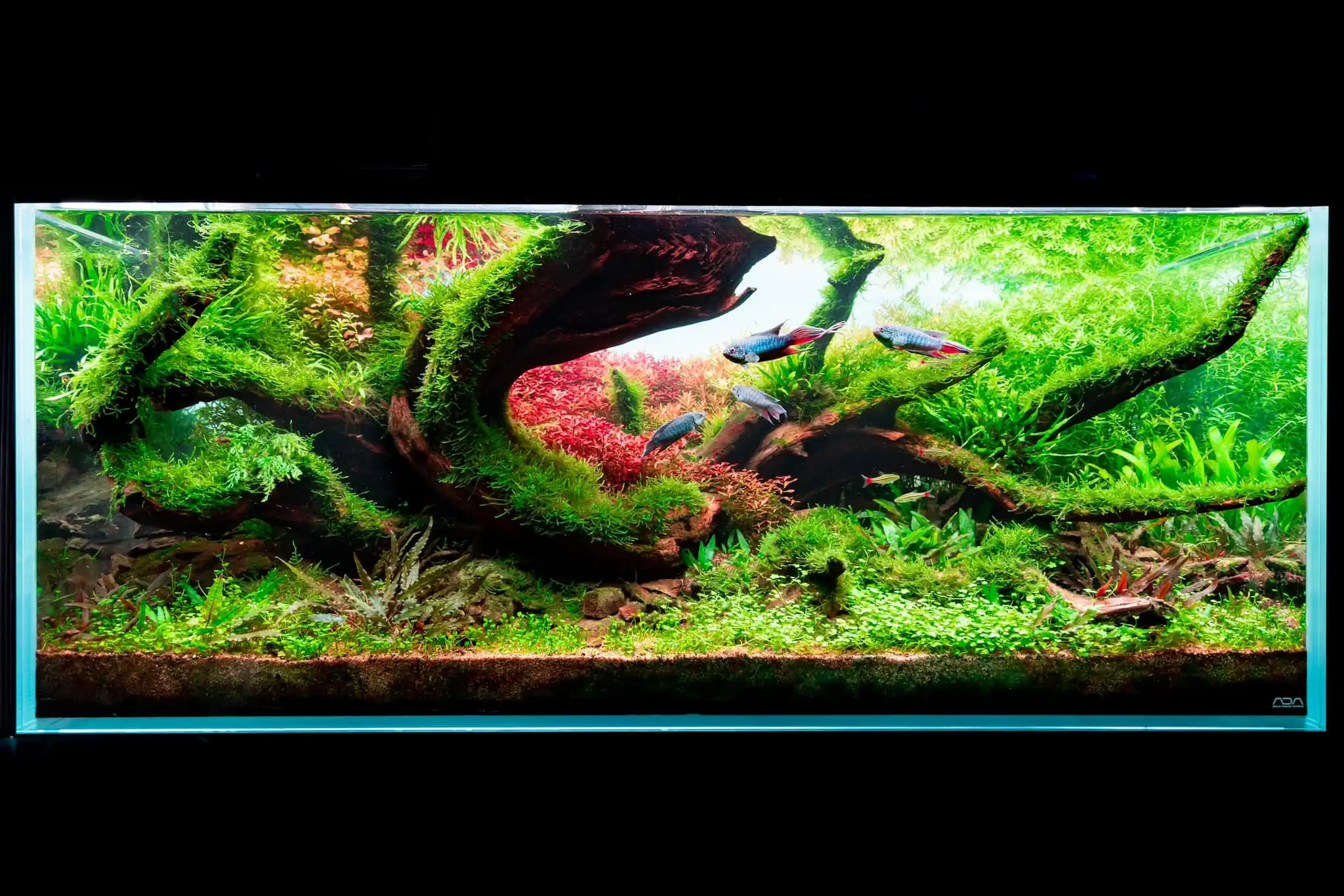
Masashi Ono san - one of famous scapers from Japan - talking about this case
I always try to focus lovely fish and make his debut in my contest tank! This beautiful fish are breeded from paradise fish by my friend. When I met this fish, inspiration came down to me. Hope you all like it.
How do you feel own ranking after spending one year huge efforts for your tank?
So many friends felt bad,and few friends satisfied I guess. I know you have many explanations about results also some opinions for contest organizers. We know all contests are mainly held for organizers profit. If one contest do not fit perfectly for your values, you exit from that contest doors and should knock next doors. Because you are free to enjoy your hobby life.You do not need stay there forever.
But for me, I have to stay here as an amateur aquascaper far more years. Mr. Amano san had given me worldwide playground to connect huge friendships as aquascaper. That bring me huge satisfaction and friendship I cloud never met in my life.I have to return the favor to him.
If you get your masterpiece, you definitely will be praised from your friends with serious messages although not good ranking you wished. Ranking is just only ranking not your ture evaluation. Pls stay your target into your own goal and keep motivation, friendships with your worldwide wonderful friends. Life is short! Let’s go ahead for your own goal.
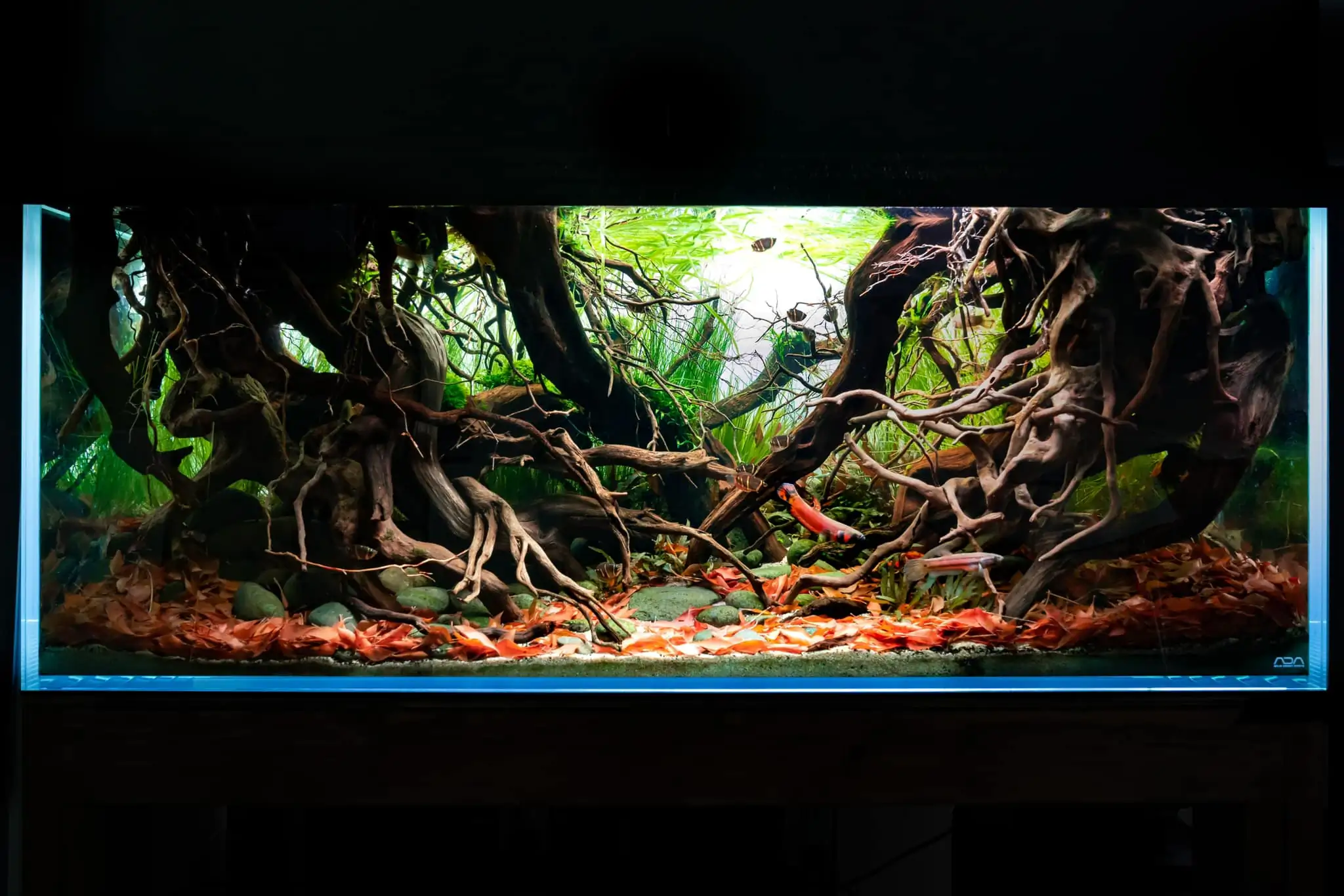
and here are some steps to create a natural habitat for your fish:
- Research fish species: Start by researching the specific fish species you plan to keep. Learn about their natural habitat, including water conditions, temperature, pH levels, and any specific requirements they may have.
- Tank setup: Set up the aquarium to mimic the natural environment of the fish. This can include replicating the substrate, rocks, driftwood, and plants found in their native habitats. Choose appropriate decorations and materials that resemble their natural surroundings.
- Aquascape: Arrange the rocks, driftwood, and plants in a way that creates hiding spots, caves, and swimming spaces for the fish. This will allow them to exhibit their natural behaviors and feel secure in their environment.
- Water conditions: Maintain the water parameters to match the natural habitat of the fish. This includes adjusting the temperature, pH levels, and hardness to replicate their native environment. Use a reliable water testing kit to monitor and adjust these parameters as needed.
- Filtration and water flow: Install a filtration system that is suitable for the needs of the fish and the size of the tank. Consider the water flow requirements of the fish, as some species prefer gentle currents while others thrive in more turbulent waters.
- Live plants: Incorporate live plants in the aquarium, as they provide natural hiding places, oxygenate the water, and contribute to the overall health of the ecosystem. Choose plants that are compatible with the fish and can thrive in the tank conditions.
- Research tank mates: If you plan to have multiple fish species in the same aquarium, ensure they are compatible in terms of behavior, size, and water conditions. Some fish species have specific social dynamics or territorial behaviors that need to be considered when selecting tank mates.
- Monitor and maintain: Regularly monitor the water parameters, perform necessary water changes, and maintain the cleanliness of the tank. Make sure to provide appropriate nutrition, lighting, and care for the fish to keep them healthy and thriving in their natural-like habitat.
By recreating a natural habitat for your fish, you can provide them with a more stimulating and comfortable environment. It allows them to exhibit their natural behaviors, reduces stress, and enhances their overall well-being.


Leave your comments