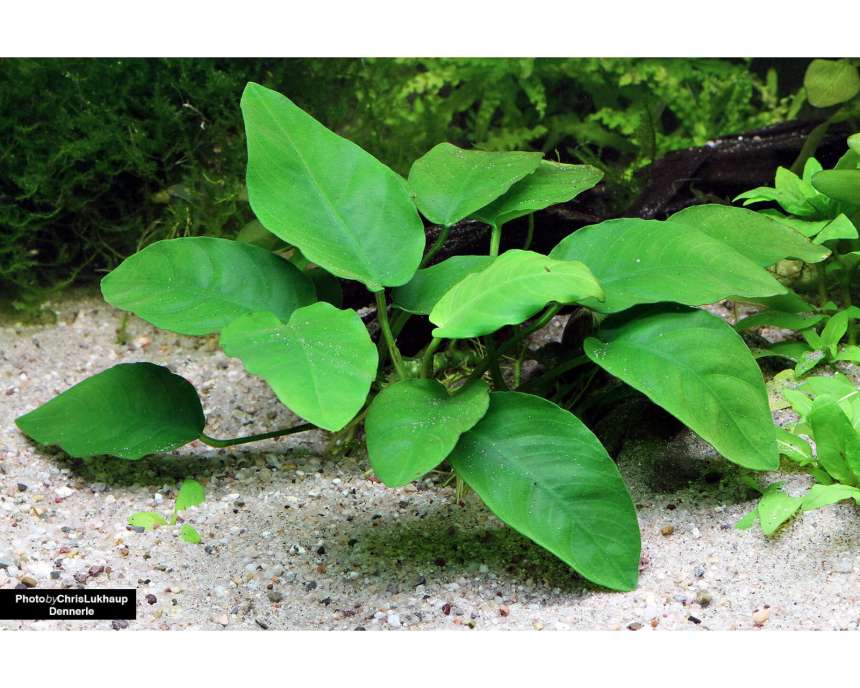
Anubias: The Rugged Foundation
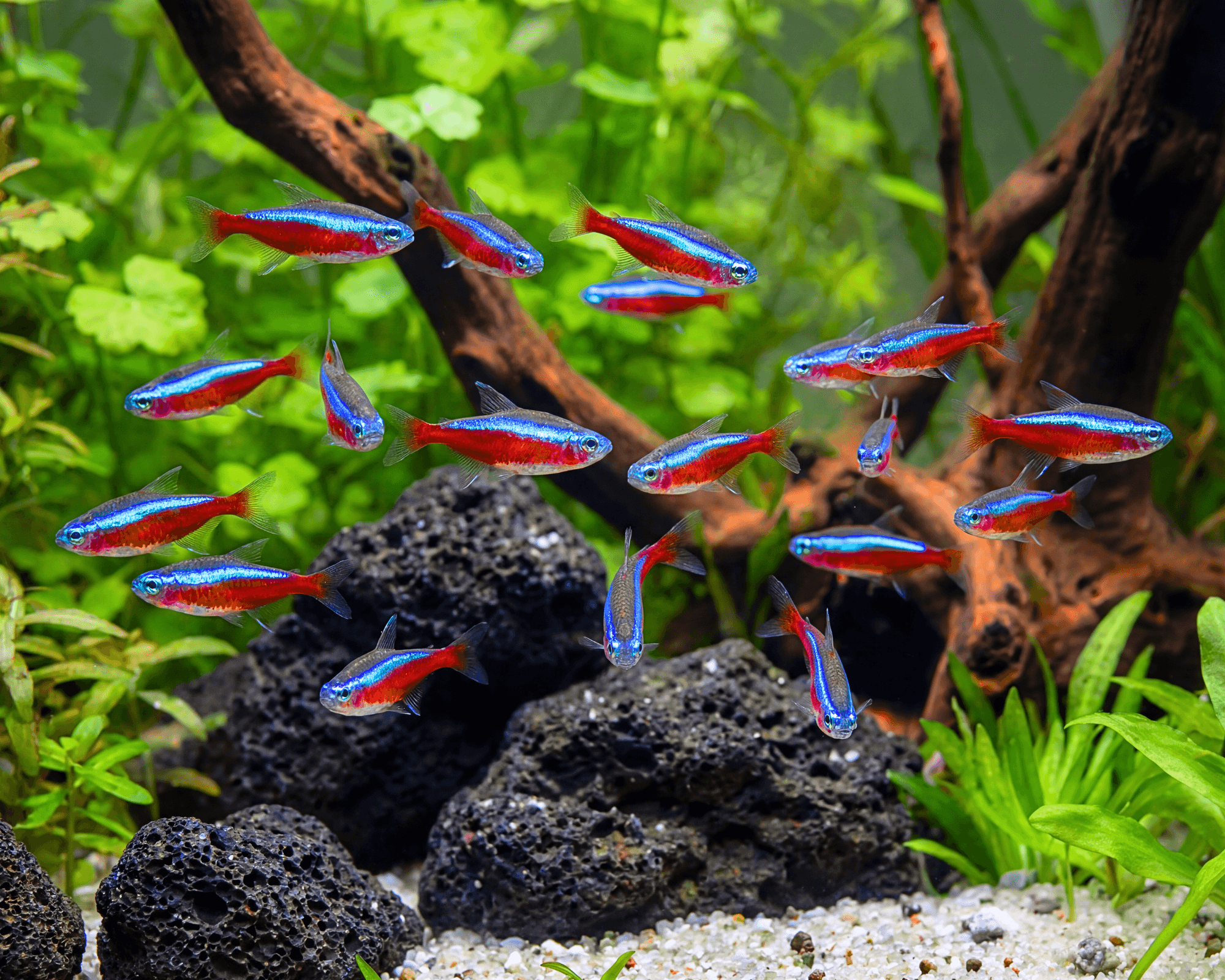
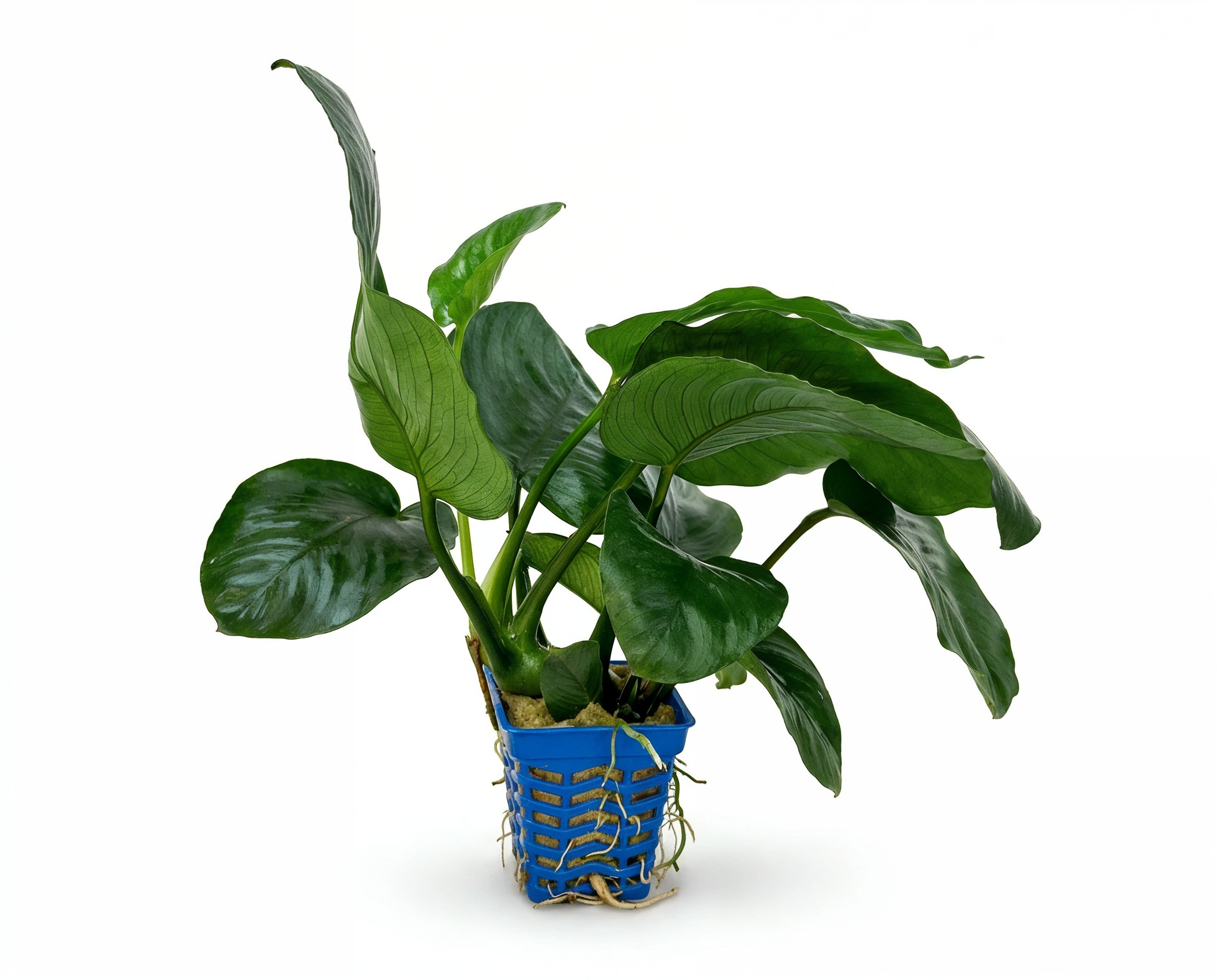
Anubias barteri is arguably the most popular choice for novices due to its extreme durability. These slow-growing plants have thick, leathery leaves that are unpalatable to most herbivorous fish. Because they are epiphytes, they should be attached to driftwood or rocks rather than buried in substrate. They pair perfectly with peaceful, colorful fish like Neon Tetras or Endler’s Livebearers, which appreciate the shade provided by the broad leaves. Ensure you do not bury the rhizome, as this will lead to decay. Their ability to thrive in low-light conditions makes them a staple for any new aquarist.
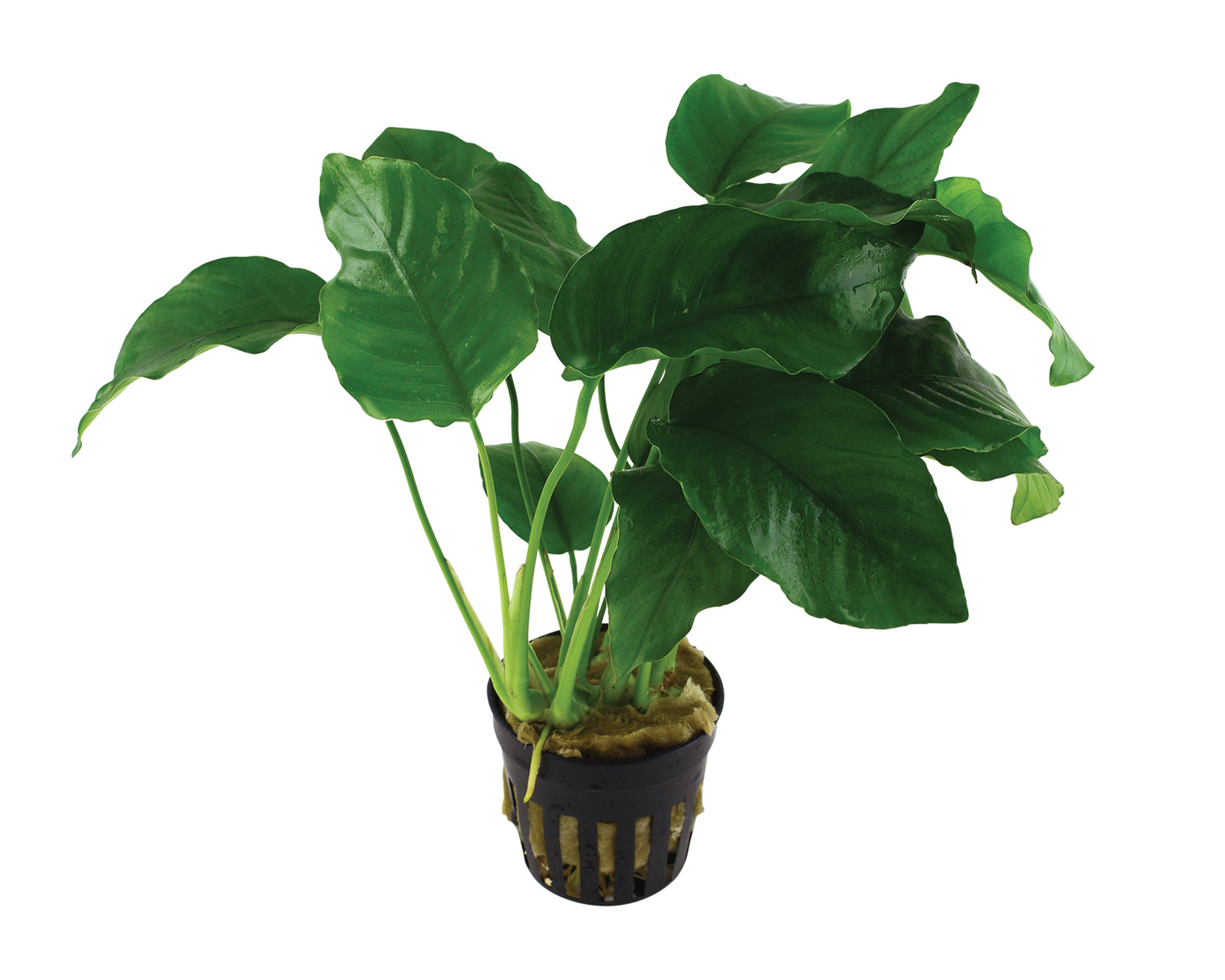
Java Moss: Essential Nano Cover
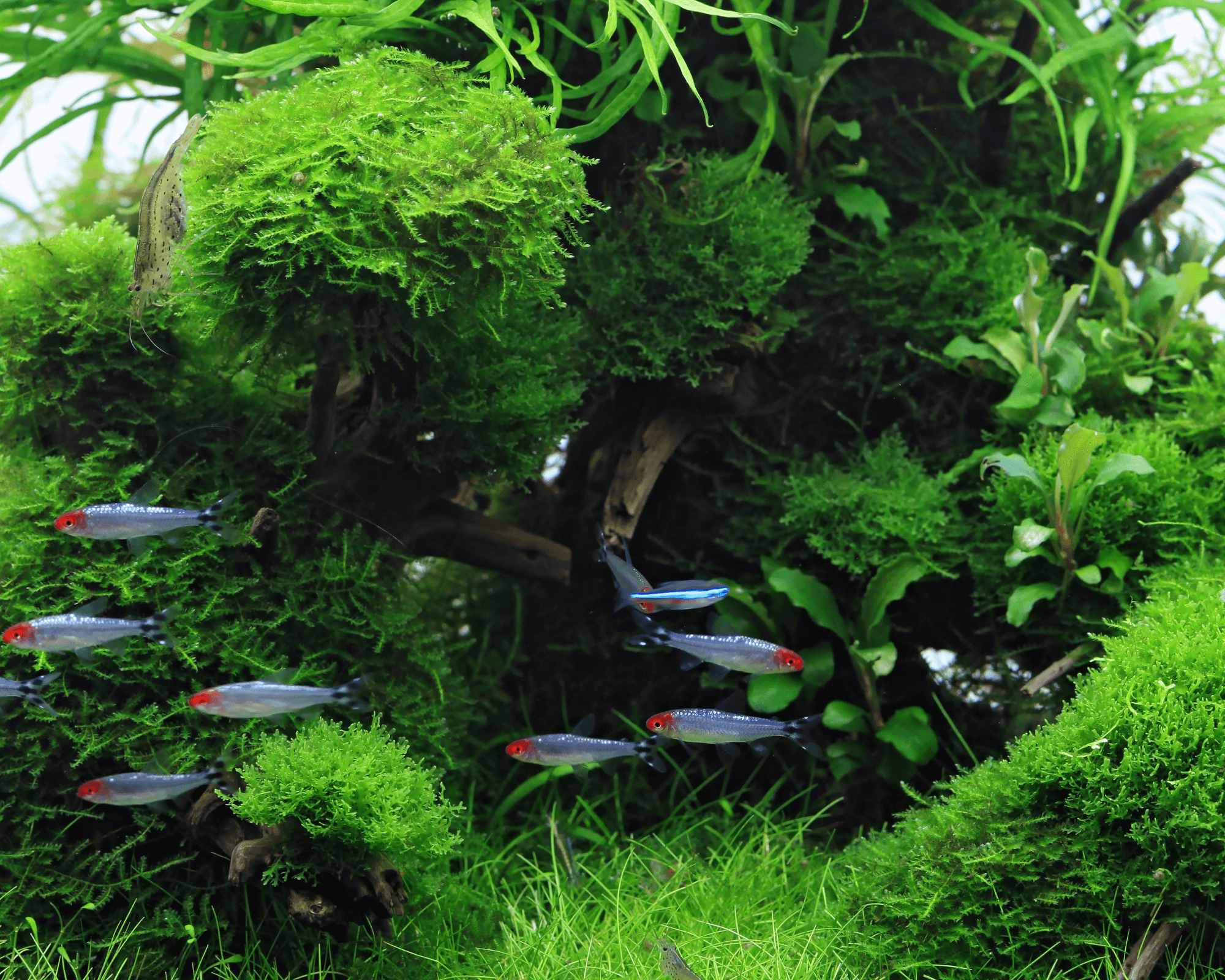
Java moss is an incredibly versatile plant that thrives in almost any lighting condition. It serves as an excellent hiding spot for vulnerable fry and provides a grazing surface for colorful freshwater shrimp like Red Cherry or Blue Velvet shrimp. In a nano setup, you can attach this moss to mesh pads or rocks to create a lush, green carpet effect. It is low-maintenance and requires only occasional trimming to keep it from taking over. Because it grows densely, it helps improve water quality by trapping fine particles, making it a functional and aesthetic addition to your aquarium.

Cryptocoryne: The Reliable Rooted Choice
Cryptocoryne wendtii is a fantastic plant for those who want a rooted species that is not fussy about water hardness. It is known for its ability to adapt to a wide range of tank conditions. These plants look spectacular when placed in the midground of a tank, providing a natural backdrop for active fish like Harlequin Rasboras. Be aware that Cryptocoryne can sometimes melt when moved to a new environment; however, they almost always bounce back with new, stronger growth once acclimated. They are excellent for tanks with snails, which help keep the leaves clean of algae.

Water Wisteria: Fast-Growing Oxygenators
Hygrophila difformis, commonly known as Water Wisteria, is a fast-growing stem plant that is perfect for absorbing excess nutrients and preventing algae blooms. Its lacy, intricate leaves provide a stunning contrast to more rigid plants. Because it grows quickly, it is an excellent choice for new tanks that need to establish biological balance fast. It is compatible with most community fish and provides great refuge for shy species. Keep in mind that it requires regular trimming to maintain its shape, but its rapid growth is a great indicator of a healthy, functioning ecosystem in your aquarium.

Java Fern: The Classic Epiphyte
Microsorum pteropus, or Java Fern, is a classic plant that is nearly impossible to kill. Like Anubias, it should be tied to hardscape rather than planted in the substrate. Its long, sword-like leaves reach upward, creating vertical interest in your scape. It is incredibly tolerant of different pH levels and temperatures, making it compatible with a vast array of livestock, including hardy snails like Nerites. Since it grows slowly, it is rarely a candidate for aggressive pruning, which makes it a low-maintenance favorite for hobbyists who prefer a set-it-and-forget-it approach to their planted tank.

Amazon Sword: The Centerpiece Plant
Echinodorus grisebachii, or the Amazon Sword, is the ultimate centerpiece plant for larger beginner tanks. It develops a massive, lush rosette of leaves that can reach up to 20 inches (50 cm) tall. Because it is a heavy root feeder, it thrives when provided with root tabs in the substrate. It provides excellent cover for larger, peaceful community fish like Angelfish or Gouramis. Because it is so large, ensure your tank is at least 20 gallons (75 liters) to provide enough space for both the plant and your fish to swim comfortably without feeling crowded.
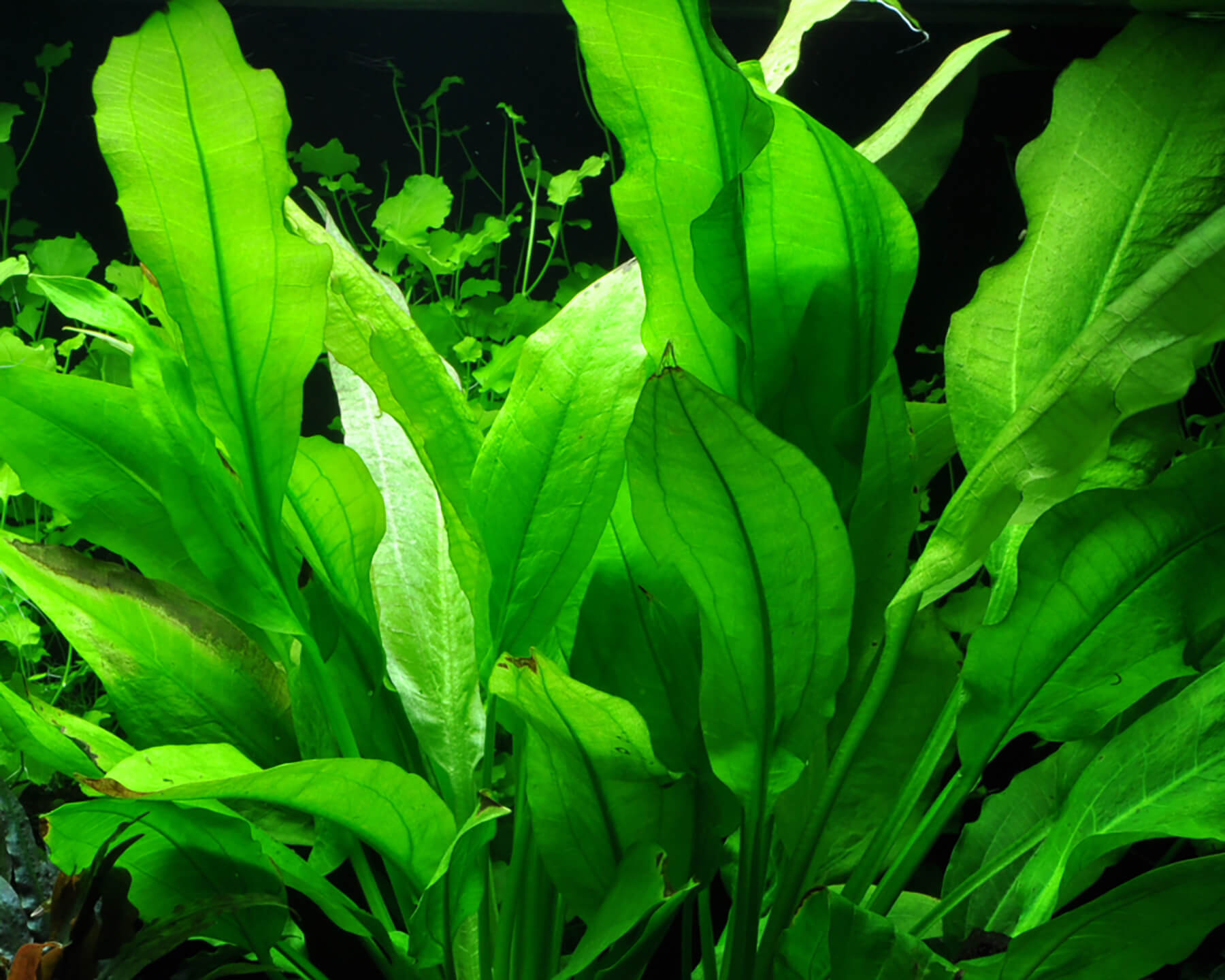
Marimo Moss Balls: The Fun Addition
Aegagropila linnaei, commonly known as the Marimo moss ball, is technically a ball of algae, but it is a beloved staple in the aquarium hobby. They are perfectly safe for all community fish and provide a playful, unique texture to the bottom of your tank. They are exceptionally low-maintenance; simply roll them occasionally to maintain their spherical shape and rinse them during your water changes. They are particularly popular in nano shrimp tanks, where they act as a natural filter and a favorite gathering place for shrimp to scavenge for biofilm and microorganisms.
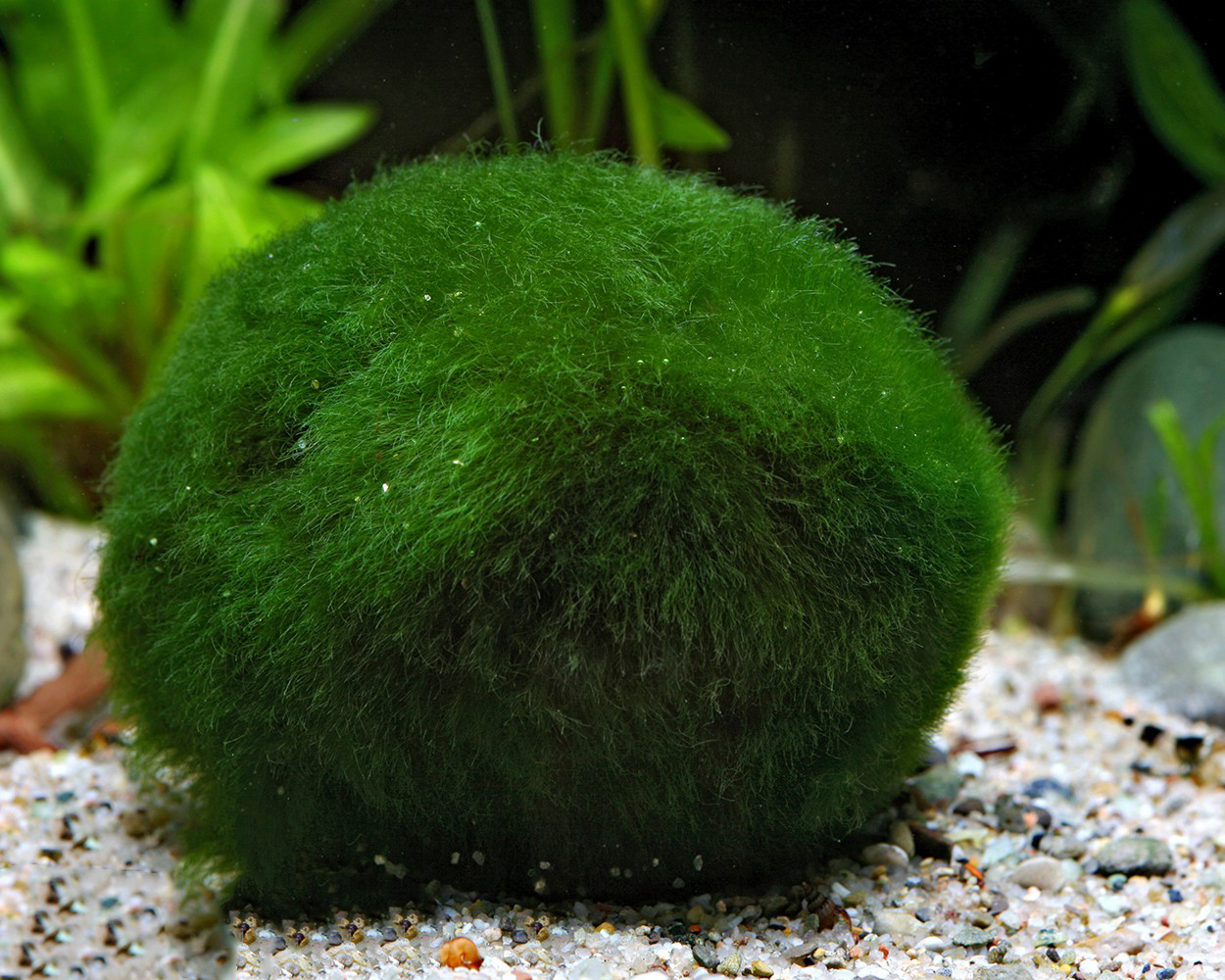
Staurogyne repens: The Perfect Foreground
Staurogyne repens is a fantastic foreground plant that grows horizontally, creating a beautiful, low-lying mat. Unlike many other carpet plants that require high light and CO2 injection, this species is surprisingly adaptable for beginners. It looks best when planted in groups, creating a lush green meadow that pairs beautifully with colorful, bottom-dwelling fish like Corydoras catfish. It is a slow grower that benefits from a nutrient-rich substrate, but it does not require constant maintenance. Its sturdy leaves make it resistant to being uprooted by curious fish, making it a reliable choice for active community aquariums.

Bacopa: The Elegant Stem Plant
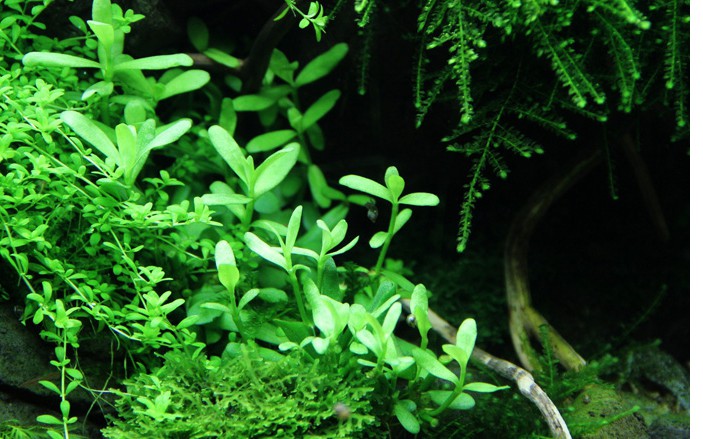
Bacopa monnieri is a resilient stem plant with small, rounded leaves that grow in pairs along the stem. It is highly adaptable and can be grown in both submersed and emersed conditions. It is an excellent choice for the midground or background of your tank, where it provides a clean, structured appearance. It is completely safe for all community fish and invertebrates. Because it is quite hardy, it can handle minor fluctuations in water quality that often occur in new setups. Regular pruning encourages it to branch out, creating a fuller, more aesthetic look over time.
Brazilian Pennywort: The Versatile Trailing Plant
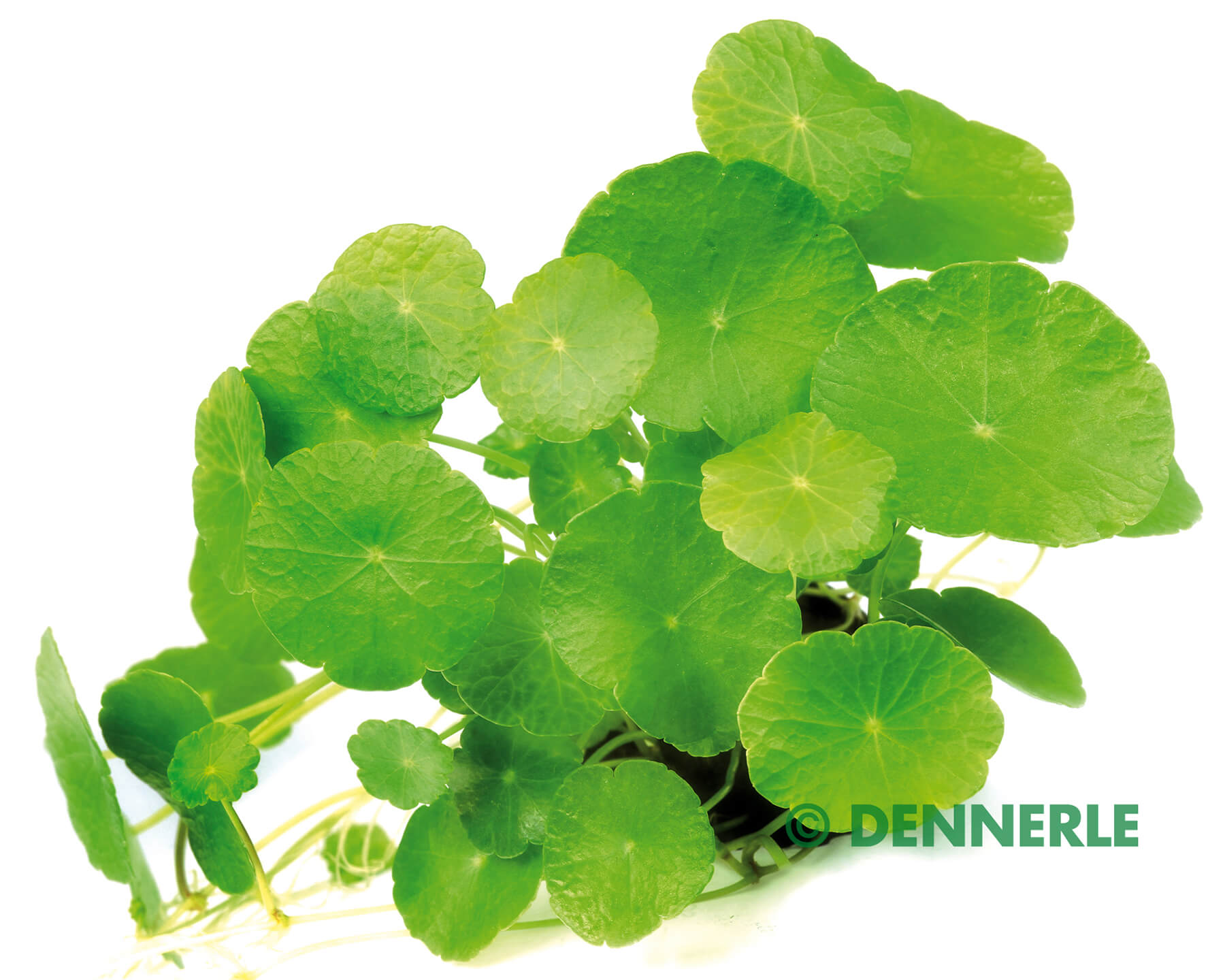
Hydrocotyle verticillata, or American Pennywort, is a charming plant with distinctive, circular leaves that look like tiny umbrellas. It can be planted in the substrate or left to float, making it incredibly flexible for aquascaping. When floating, it provides excellent shelter for fry and reduces light intensity for bottom-dwelling fish that prefer dimmer conditions. It is a fast grower that helps strip nitrates from the water, keeping your tank healthy. It is compatible with almost all community livestock, though it may grow quite rapidly, requiring occasional thinning to ensure your fish have enough open swimming space.
Hornwort: The Ultimate Problem Solver
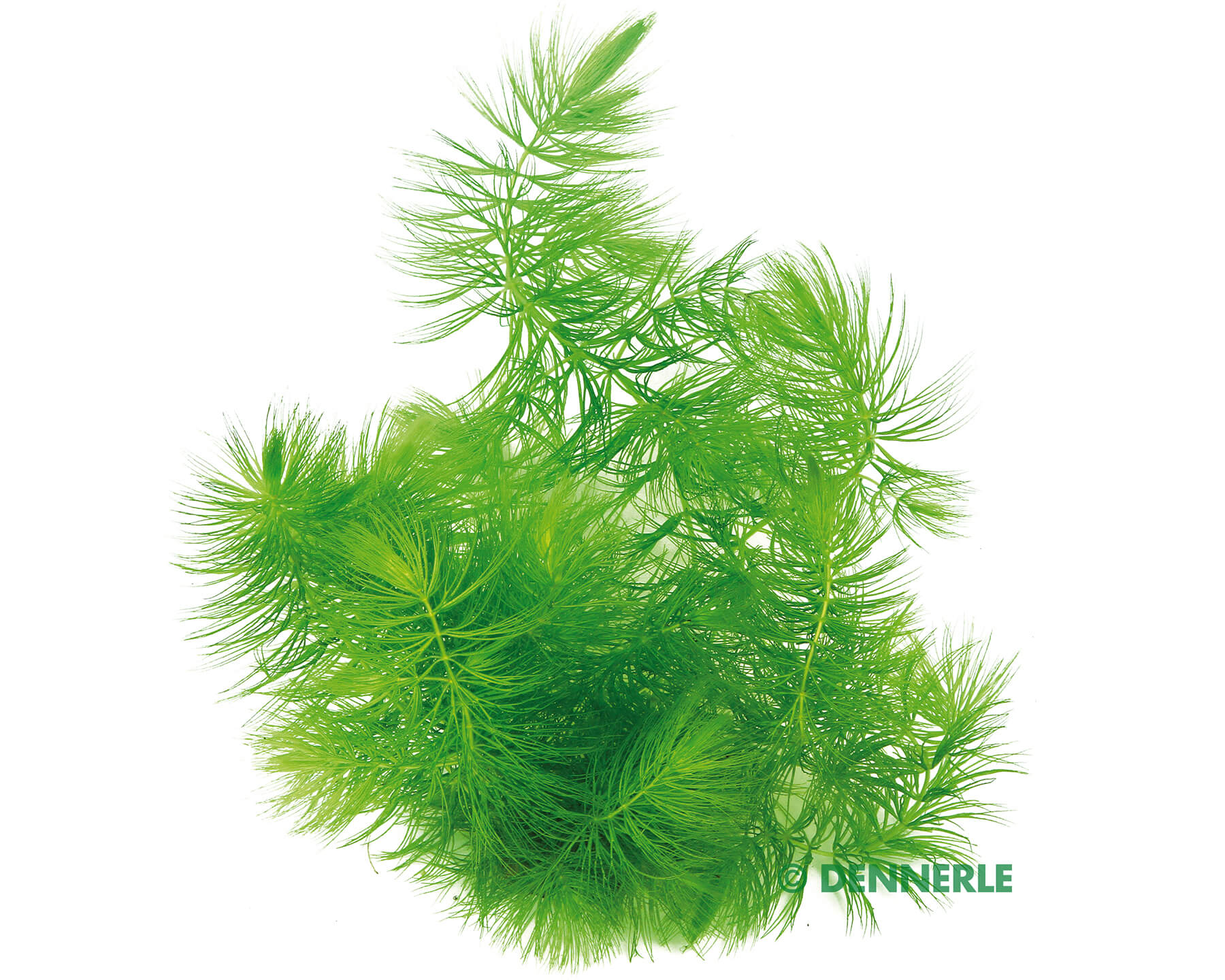
Ceratophyllum demersum, or Hornwort, is a rapid-growing plant that is ideal for beginners struggling with algae. Because it grows so quickly, it outcompetes algae for nutrients. It can be left floating or anchored to the substrate. It is extremely hardy and provides dense cover for shrimp and fry. While it can shed needles if water conditions change abruptly, it is generally very resilient. It works well with most fish, but keep it trimmed, as its fast growth can quickly shade out other plants in your tank if left unchecked.
Ludwigia: Adding a Splash of Red
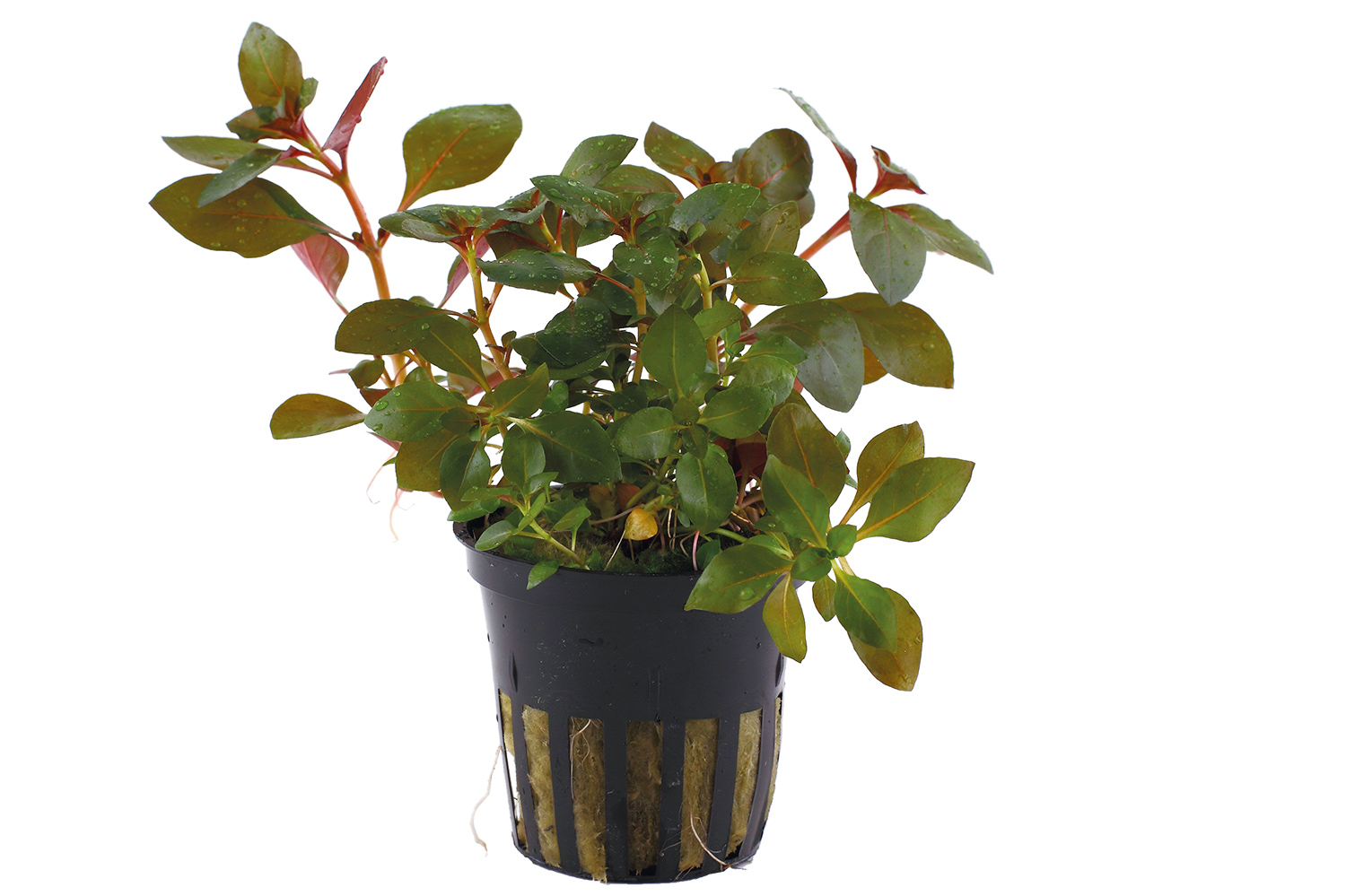
Ludwigia repens is one of the few beginner-friendly plants that offers vibrant red and orange coloration. To bring out its most intense colors, it needs moderate lighting and a decent iron-rich fertilizer. It makes a stunning focal point in any community tank and provides a beautiful contrast to green plants. It is compatible with most fish, though avoid species known for nibbling on soft-leaved plants. Because it is a stem plant, you can easily propagate it by cutting the top and replanting it. It is a rewarding plant that adds a professional look to any beginner setup.
Frequently Asked Questions
Do I need special soil for these plants?
While nutrient-rich aquatic soil helps, many of these plants, like Anubias and Java Fern, are epiphytes and do not need to be in soil at all. For root feeders like Amazon Swords, root tabs provide the necessary nutrients in standard gravel or sand.
Can I keep snails with these plants?
Yes, snails are excellent additions to a planted tank. They help clean algae off the leaves and decompose organic matter, which benefits the plants. Just avoid species that are known to eat healthy plant tissue, such as some larger pond snails.
How often should I trim my aquarium plants?
Fast-growing plants like Hornwort or Water Wisteria may need trimming every two weeks to prevent them from shading out other plants. Slower growers like Anubias or Java Fern rarely need trimming, only occasionally to remove old or damaged leaves.


 - 2.webp)


 margaritatus (mini fish) - 1.webp)


Leave your comments