Start with the feeding plan, not the shopping list
Before buying livestock, decide who will eat what, how often you can feed and how you will remove leftovers. Small schooling fish usually need appropriately sized flakes, micro-pellets or frozen foods, while bottom dwellers may need sinking foods after the lights go out. Shrimp graze on biofilm but still need occasional supplemental food, and snails often thrive on scraps that would otherwise decompose. Feed only what is consumed promptly, then reduce portions if food reaches the substrate uneaten. A planted aquarium may absorb some dissolved nutrients, but it cannot compensate for a daily surplus of food. Your feeding routine is the first practical bioload calculation.
Tiny fish can be low-load, but they are not zero-maintenance
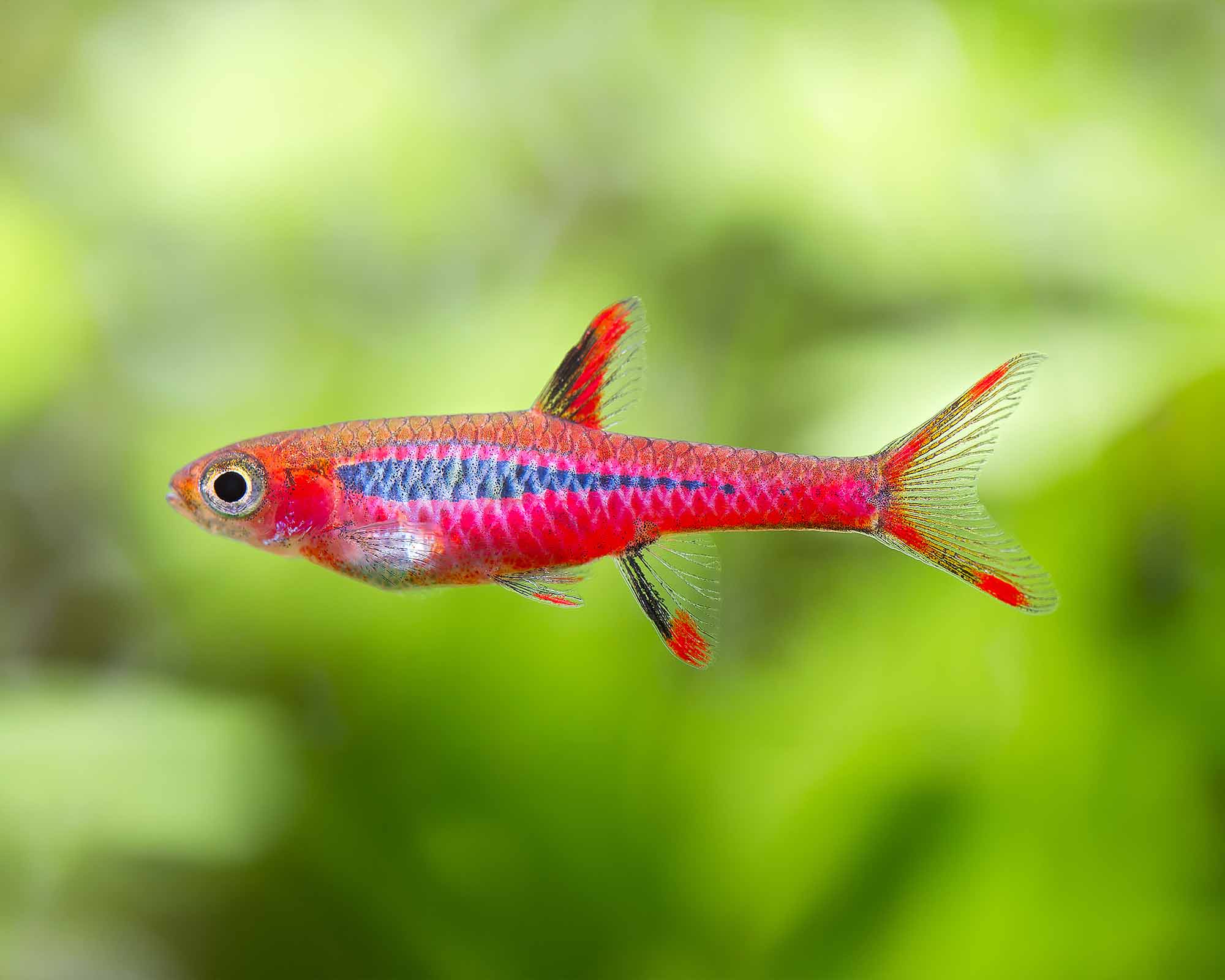
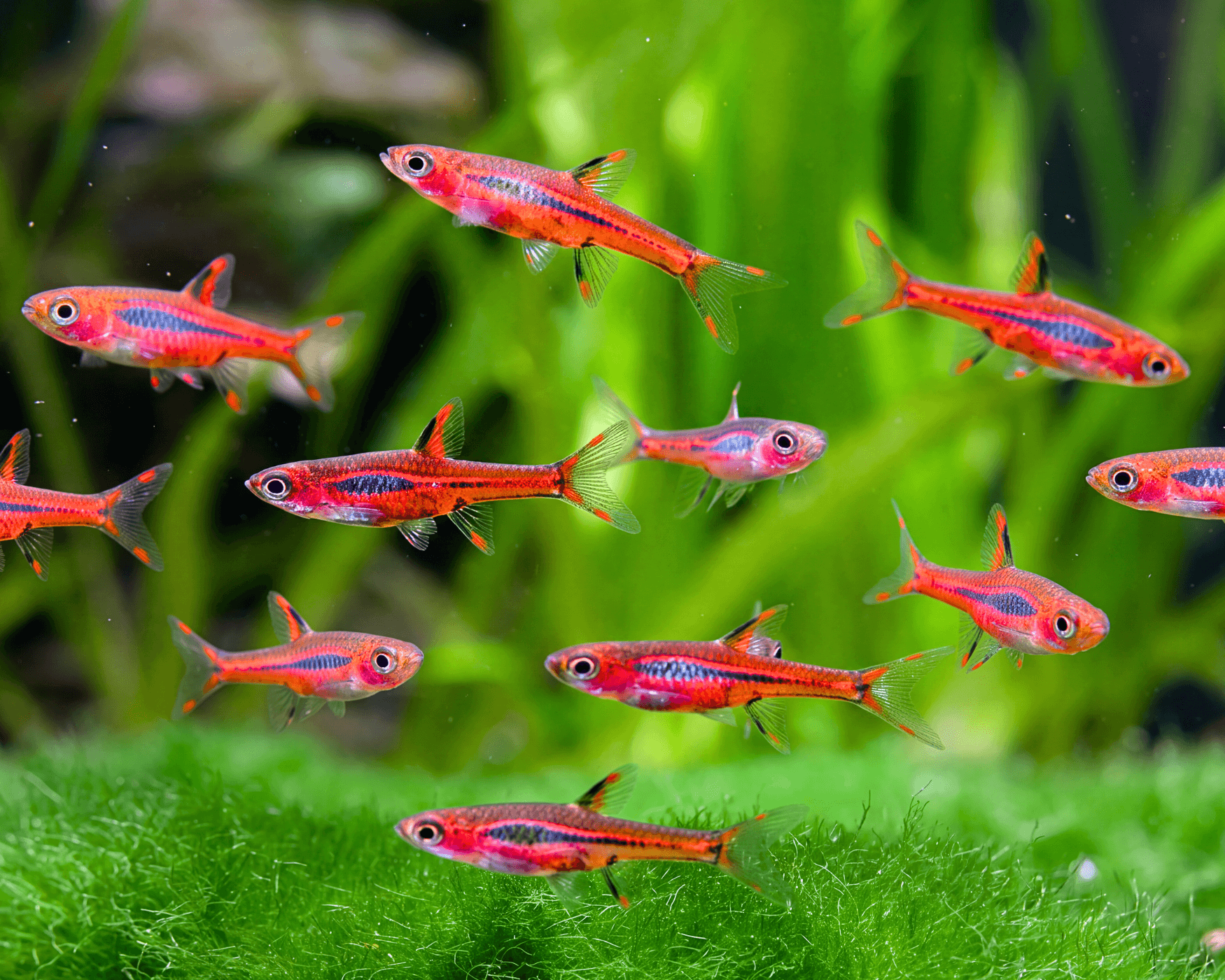
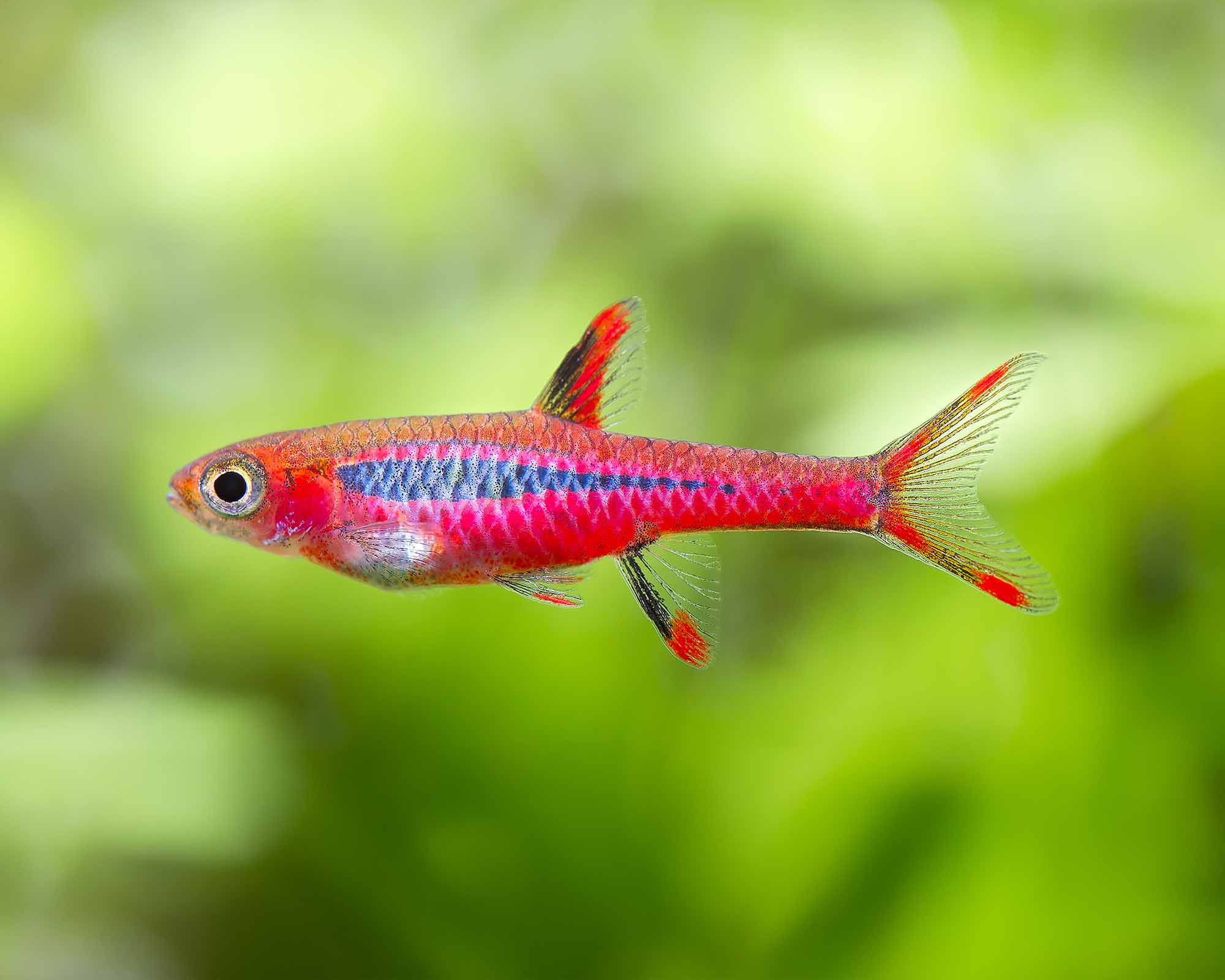
Chili rasboras are a useful example of a small-fish setup that can work in a planted aquarium when the tank is mature, covered and densely structured with fine-leaved plants or moss. Their small mouths require tiny foods, and their delicate size makes sudden water-quality changes more consequential. A group is generally more natural than a single specimen, so the total fish count still matters even when each fish produces little waste. They are better suited to calm tank mates than to boisterous or predatory species. Plan gentle filtration, regular observation and small, consistent feedings rather than treating nano fish as maintenance-free decorations.
Livebearers can outgrow your original stocking plan
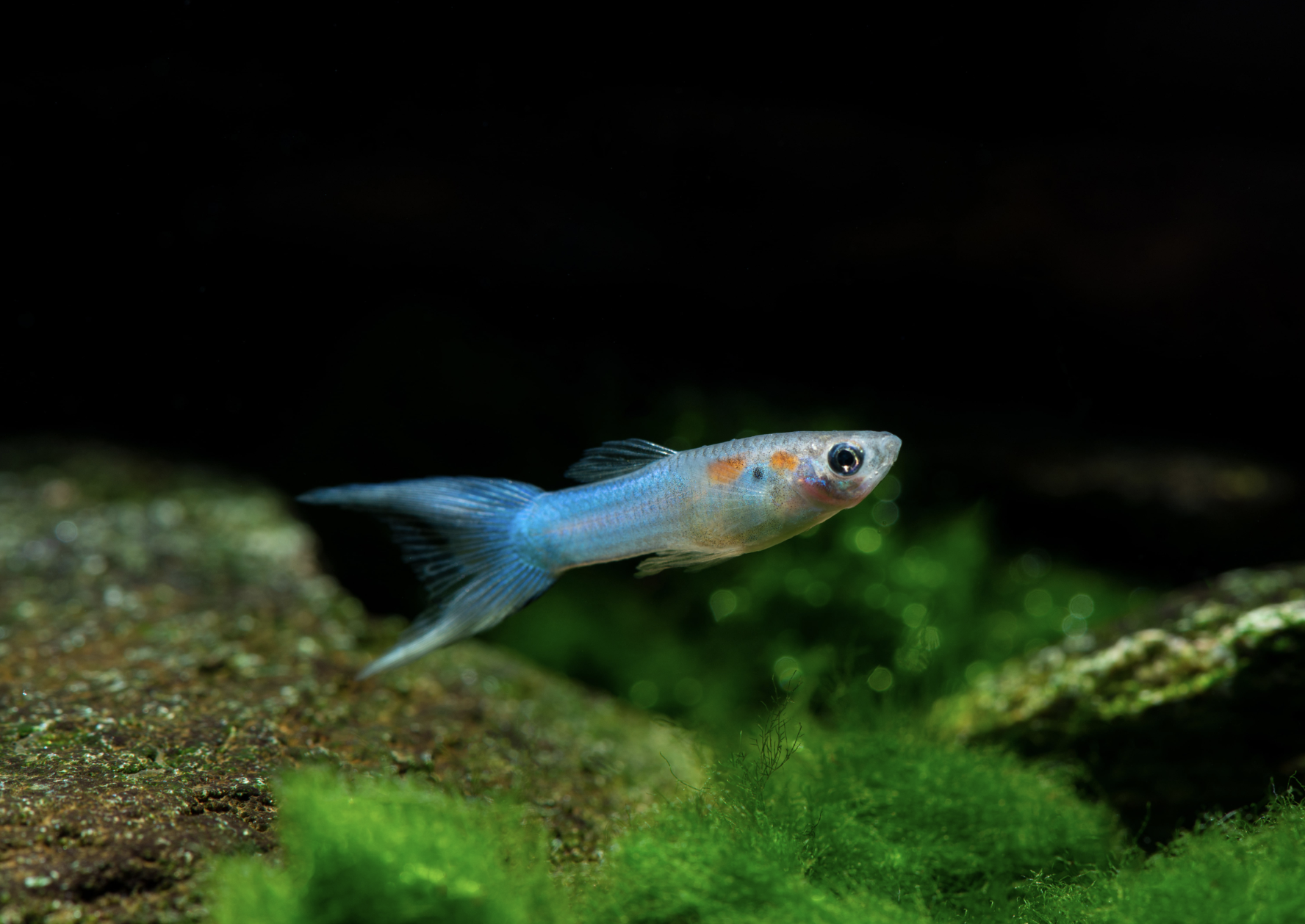
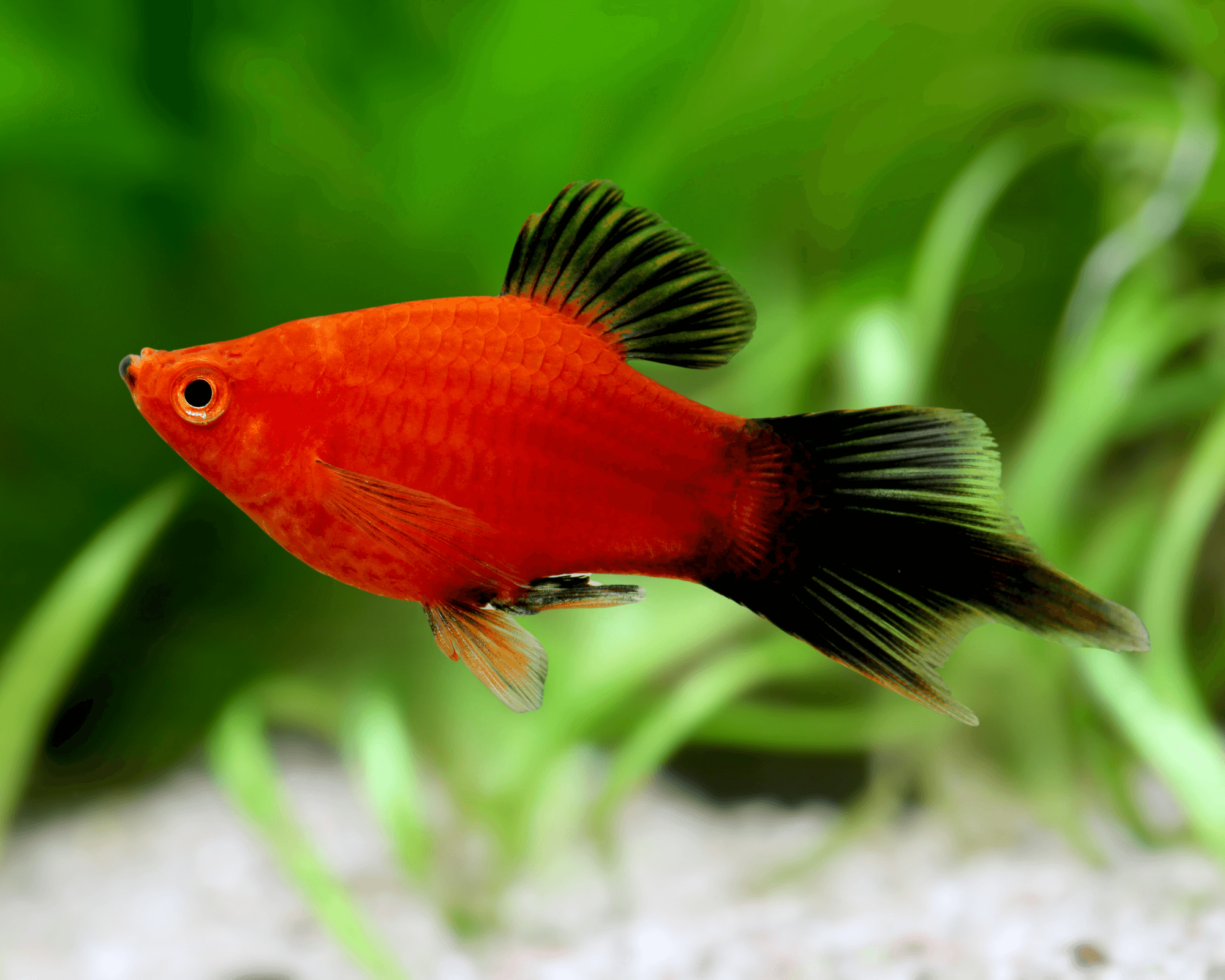
Endler guppies and other livebearers are colorful, active and often tempting for a beginner planted tank. The hidden maintenance cost is reproduction. A mixed-sex group can produce fry repeatedly, increasing feeding demand, waste production and crowding faster than expected. If you want predictable bioload, consider a carefully selected all-male group, while recognizing that male-only housing can still involve chasing and social tension. Dense plants provide cover, but they also make it easier for fry to survive. Before purchase, decide whether you have a plan for offspring, extra filtration and eventual rehoming. A fish that fits today’s tank may not fit after several broods.
Schooling bottom fish need floor space and group numbers
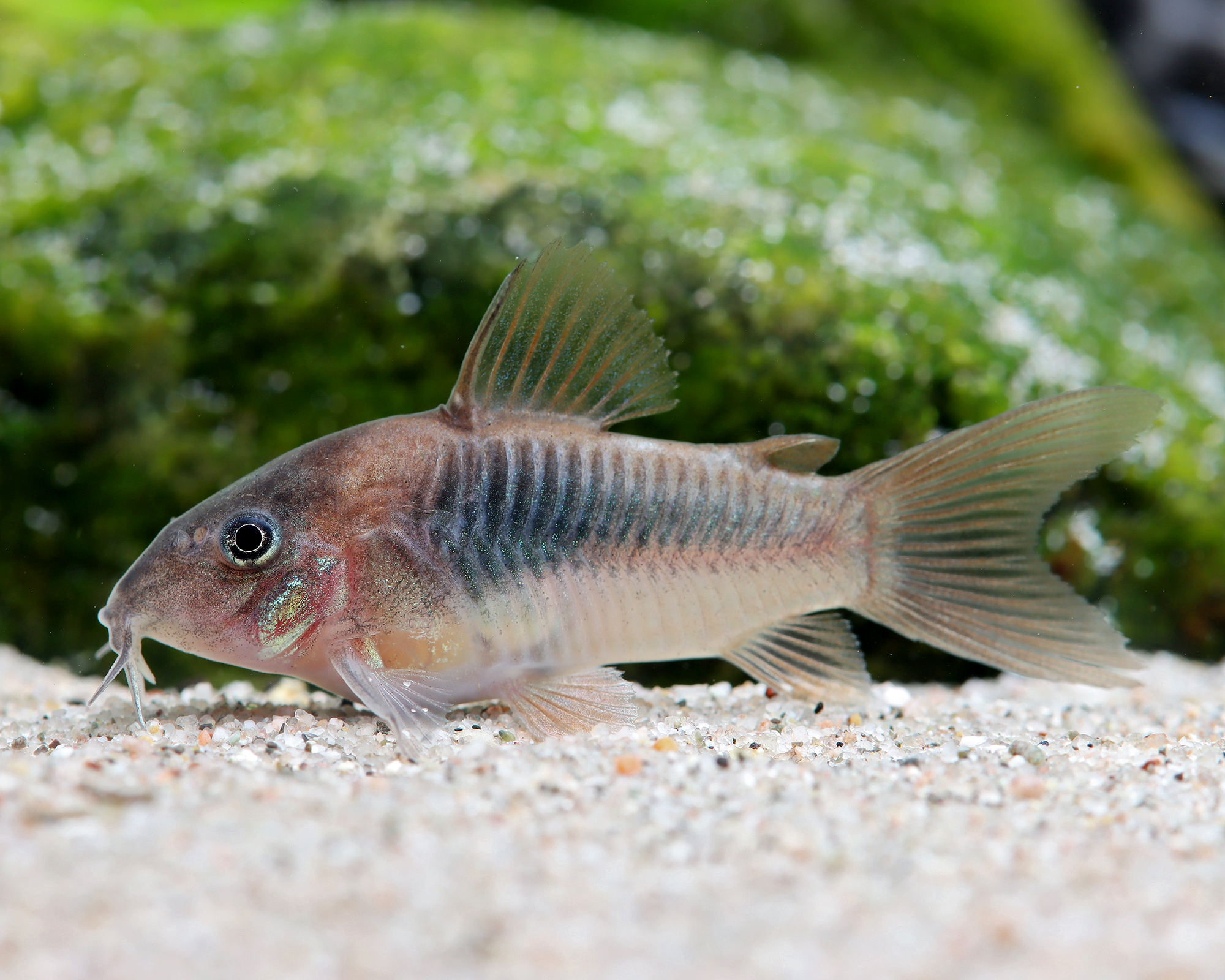
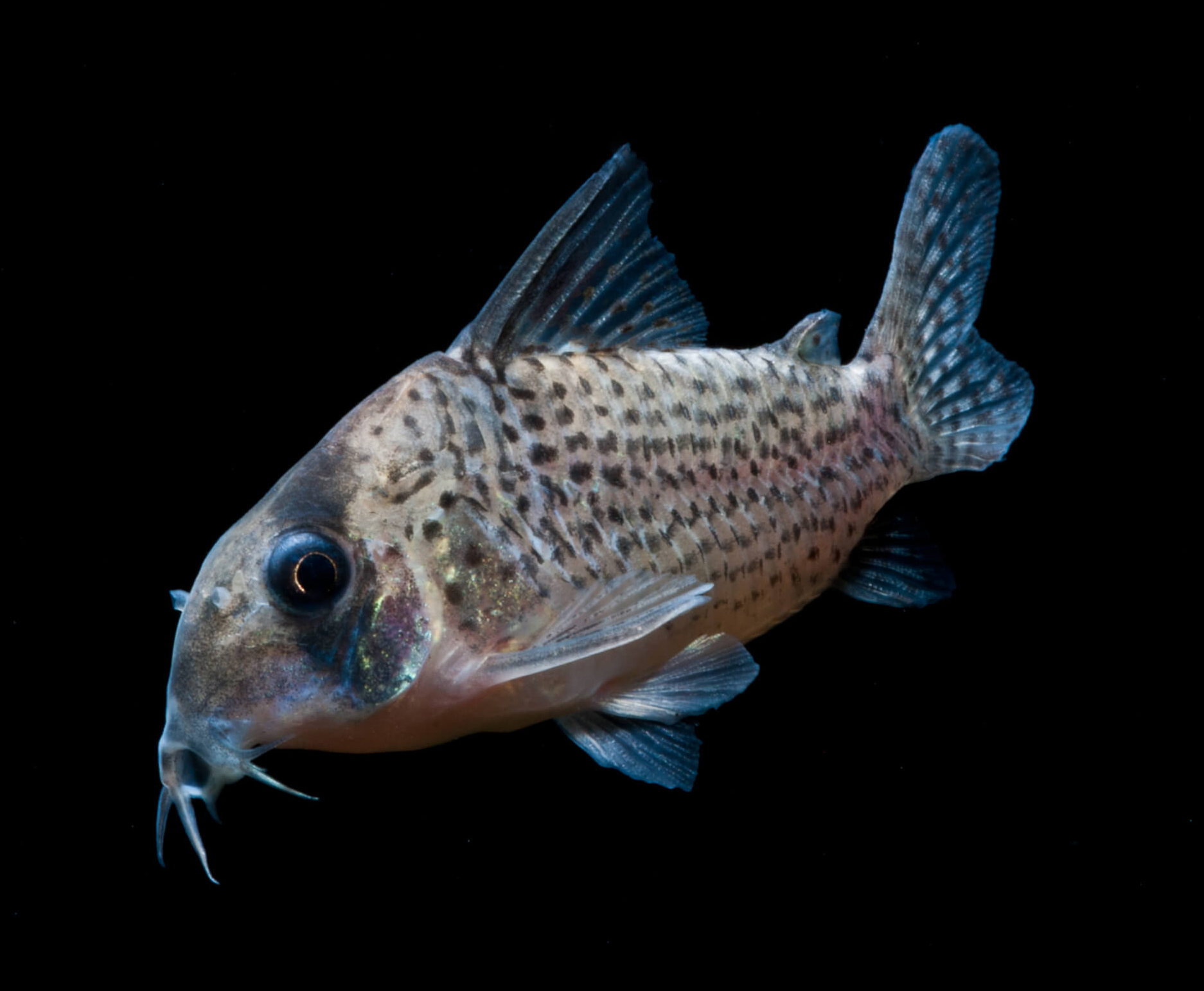
Corydoras are often described as peaceful community fish, but their care needs are not equivalent to those of a single algae eater. They are social bottom dwellers that should be kept in an appropriate group of the same or compatible species, with smooth substrate and open foraging areas. Their regular sinking-food requirement adds to the tank’s nutrient input, especially when food is scattered across the substrate. Plants and wood can create useful shelter, but a crowded carpet of roots or hardscape may reduce usable floor space. For a nano aquarium, check adult size, group requirements and footprint before assuming a cory species is suitable.
A betta changes the compatibility equation
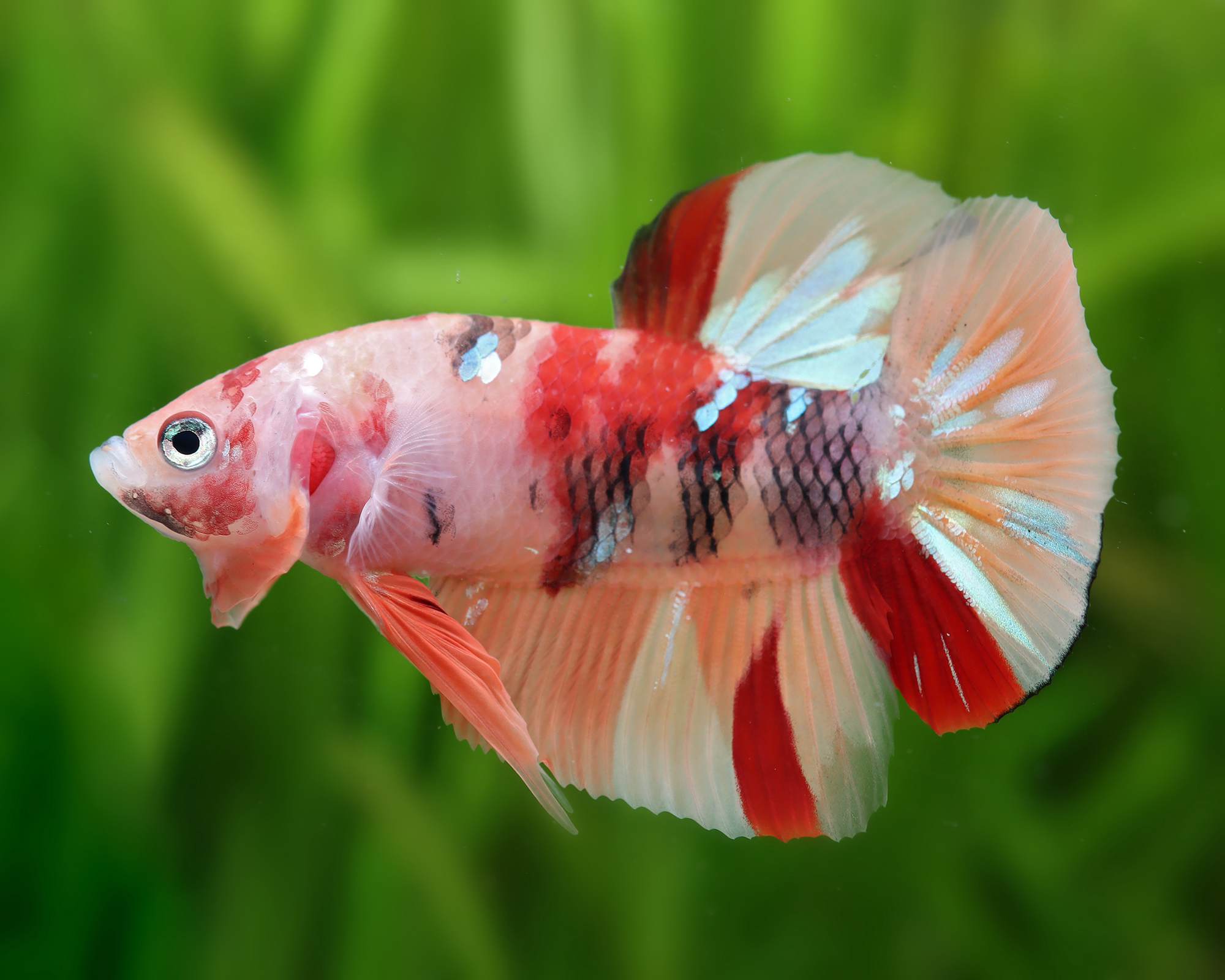
A betta can anchor a planted aquarium with a strong focal point, but its temperament makes stocking decisions individual rather than automatic. Some bettas ignore shrimp and snails; others hunt small shrimp or harass slow-moving tank mates. Long fins and poor swimming ability can also make strong flow unsuitable. A planted layout with broad leaves, visual breaks and calm circulation is usually more useful than simply adding more livestock. If you try shrimp, introduce them only after the aquarium has mature cover and accept that shrimplets may be eaten. Keep a backup plan for separation. The betta’s personality, not its color or label, determines community success.
Celestial pearl danios reward structure, not crowding
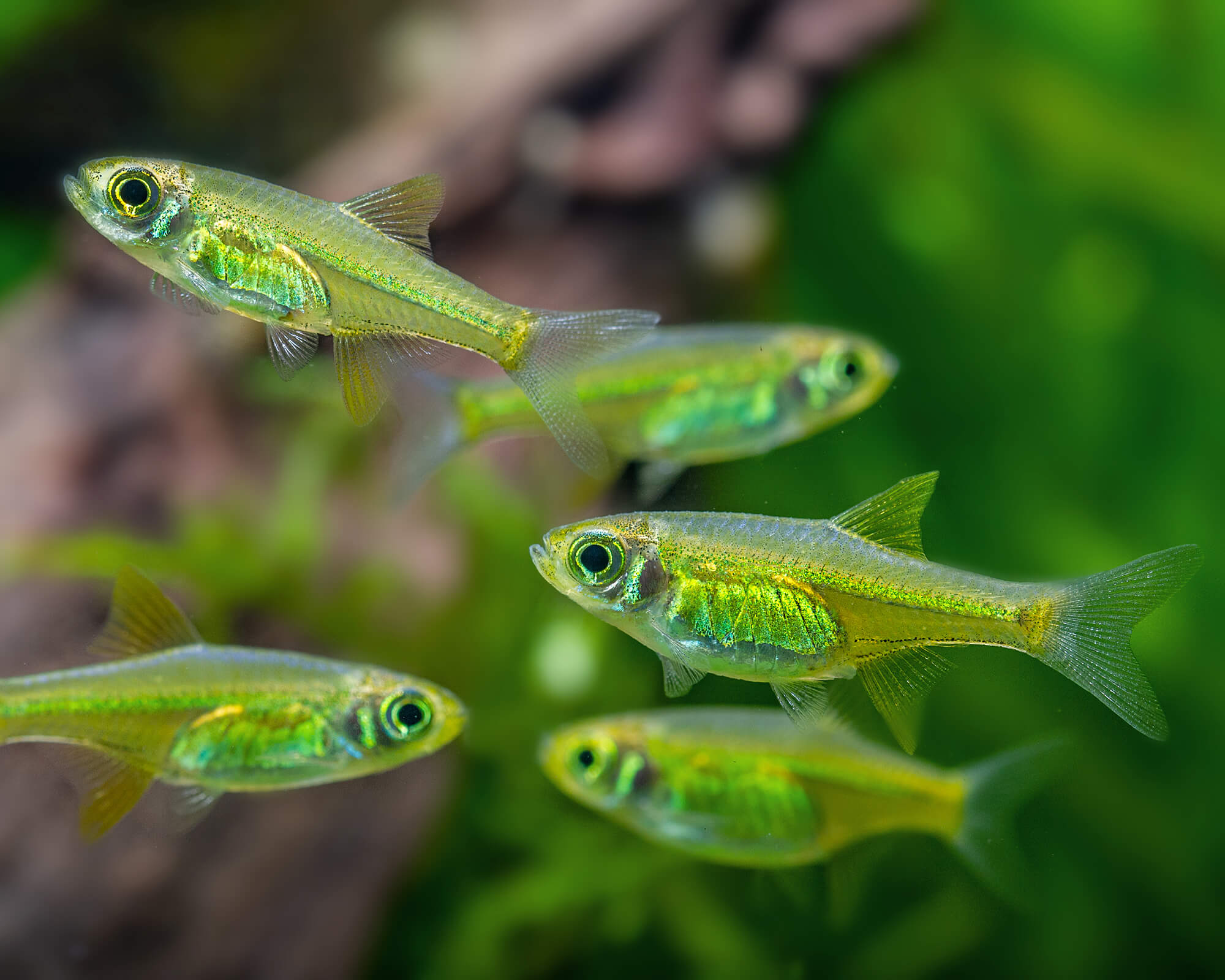
Celestial pearl danios bring pattern and movement to a planted aquarium, but they are small, cautious fish that benefit from cover, calm companions and a settled environment. Their feeding needs are easy to underestimate because they may not compete well with larger or faster fish. Offer small portions and observe whether every fish is eating rather than assuming food has been distributed evenly. Moss, fine plants and shaded areas can help them feel secure, though dense planting should not eliminate swimming space. They may coexist with adult shrimp in a thoughtfully designed aquarium, but newly hatched shrimp can still be vulnerable. Compatibility must include behavior, food access and bioload.
%20margaritatus%20(mini%20fish)%20-%201.webp)
Shrimp need mature surfaces and a predator-risk assessment
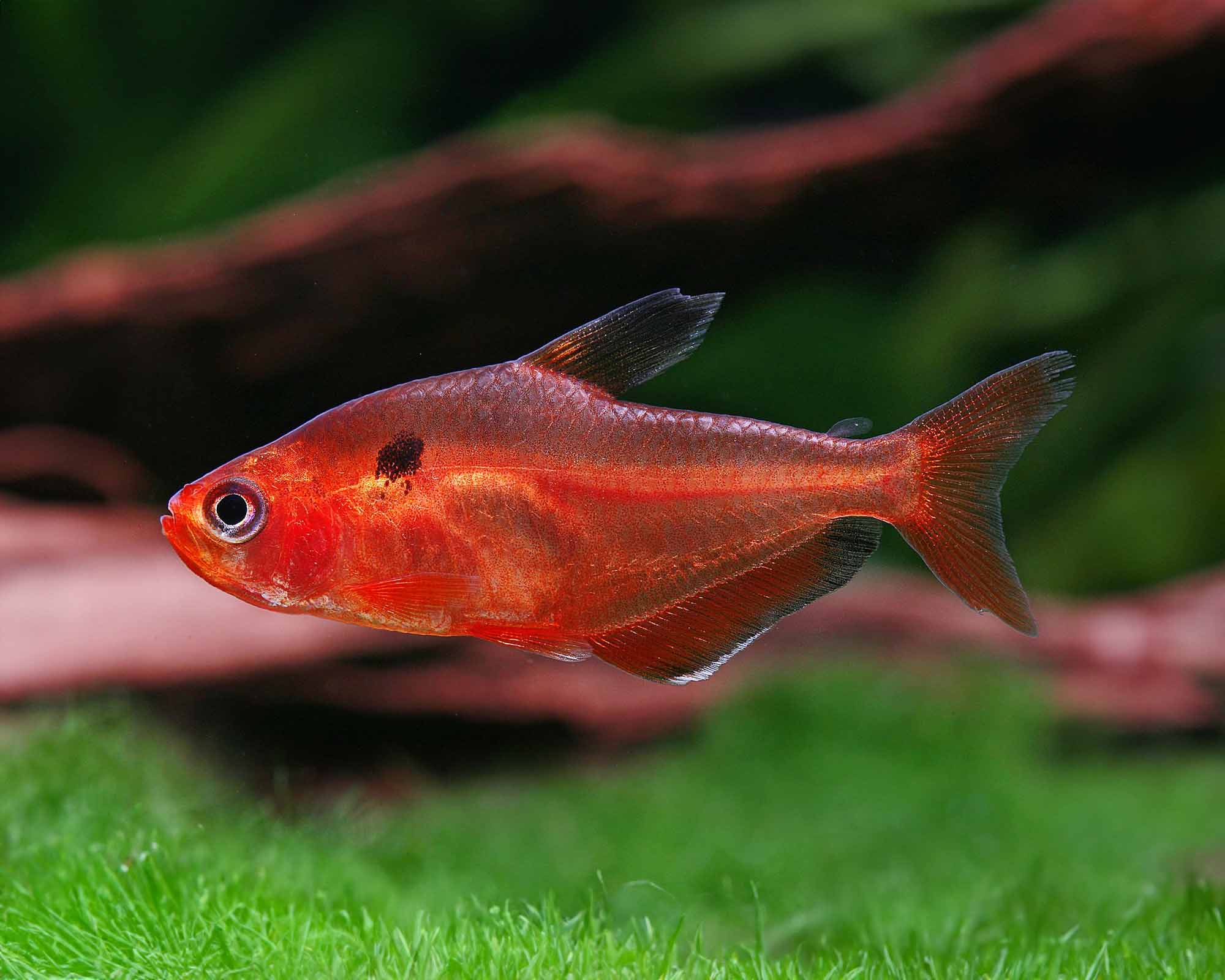
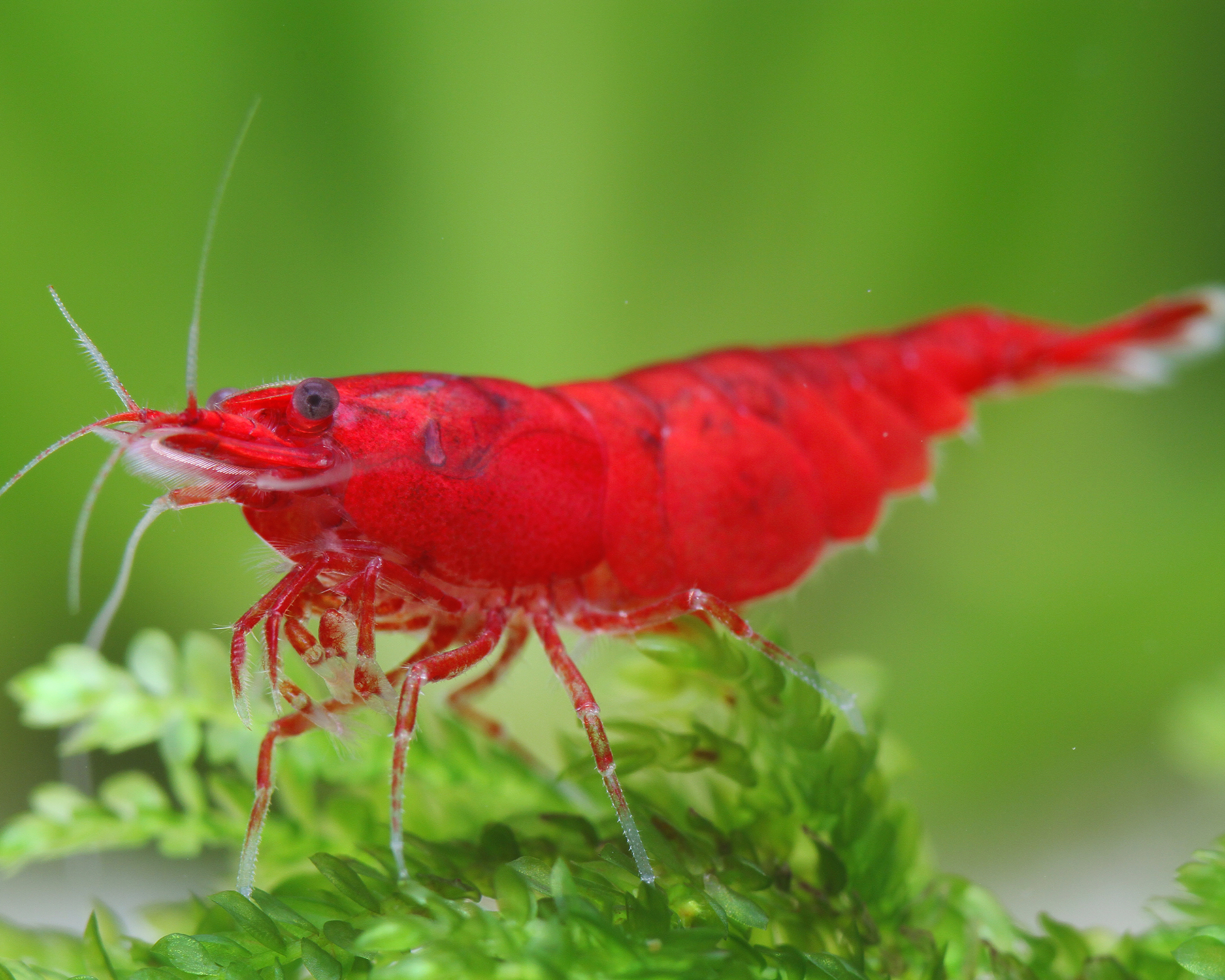
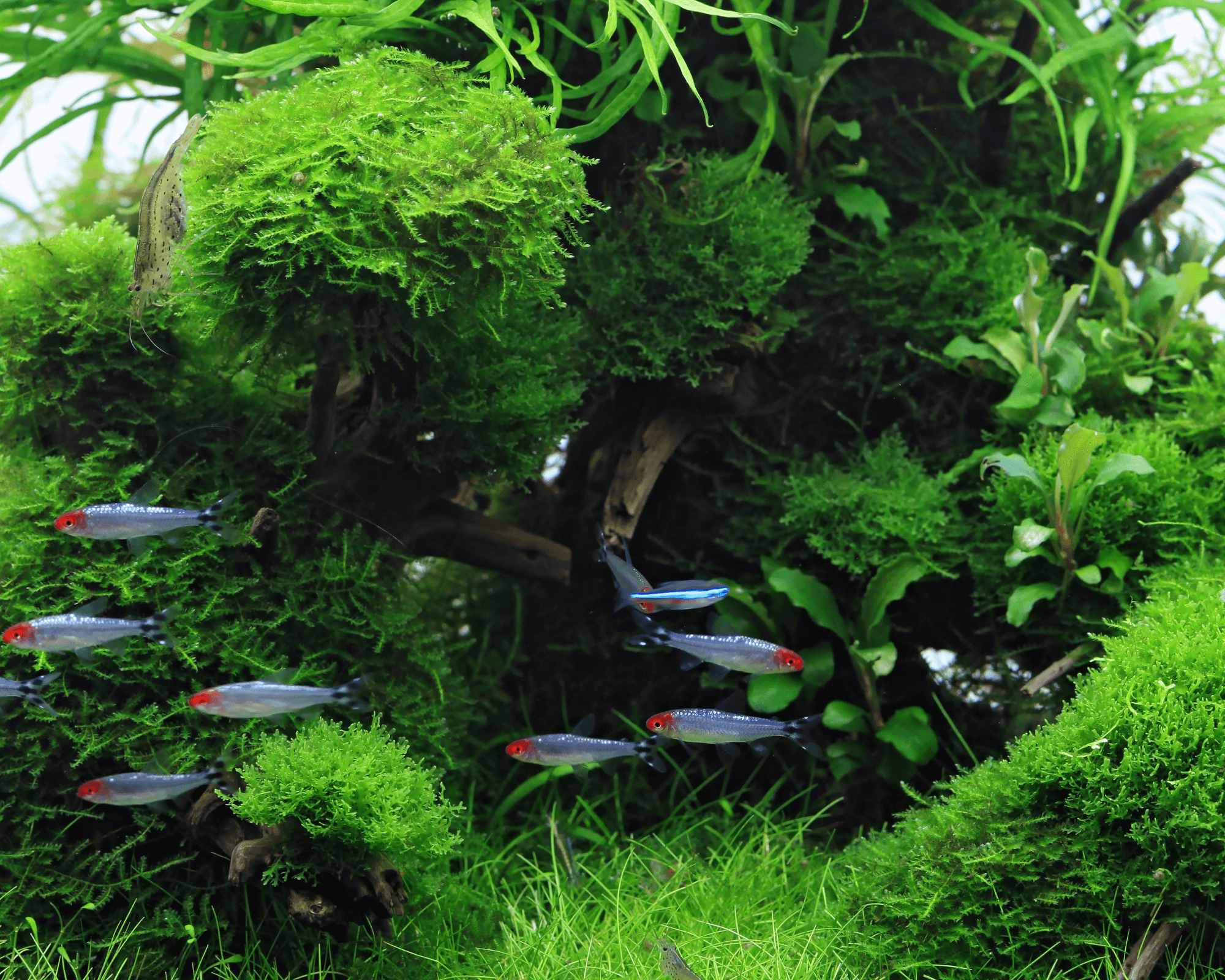
Colorful freshwater shrimp are most useful in a planted tank when the aquarium offers mature biofilm, mossy cover and stable water conditions. Cherry-type shrimp are generally more forgiving than many delicate specialist varieties, but their survival depends on tank mates as much as on water quality. Small peaceful fish may eat shrimplets, and larger fish can view adult shrimp as prey. Feed sparingly because uneaten shrimp foods quickly become a maintenance problem in a nano tank. Do not buy shrimp as a substitute for cycling, filtration or water changes. First establish plants and biofilm, then choose a shrimp population that matches the fish behavior and your willingness to monitor molts and losses.
Snails reveal whether you are overfeeding
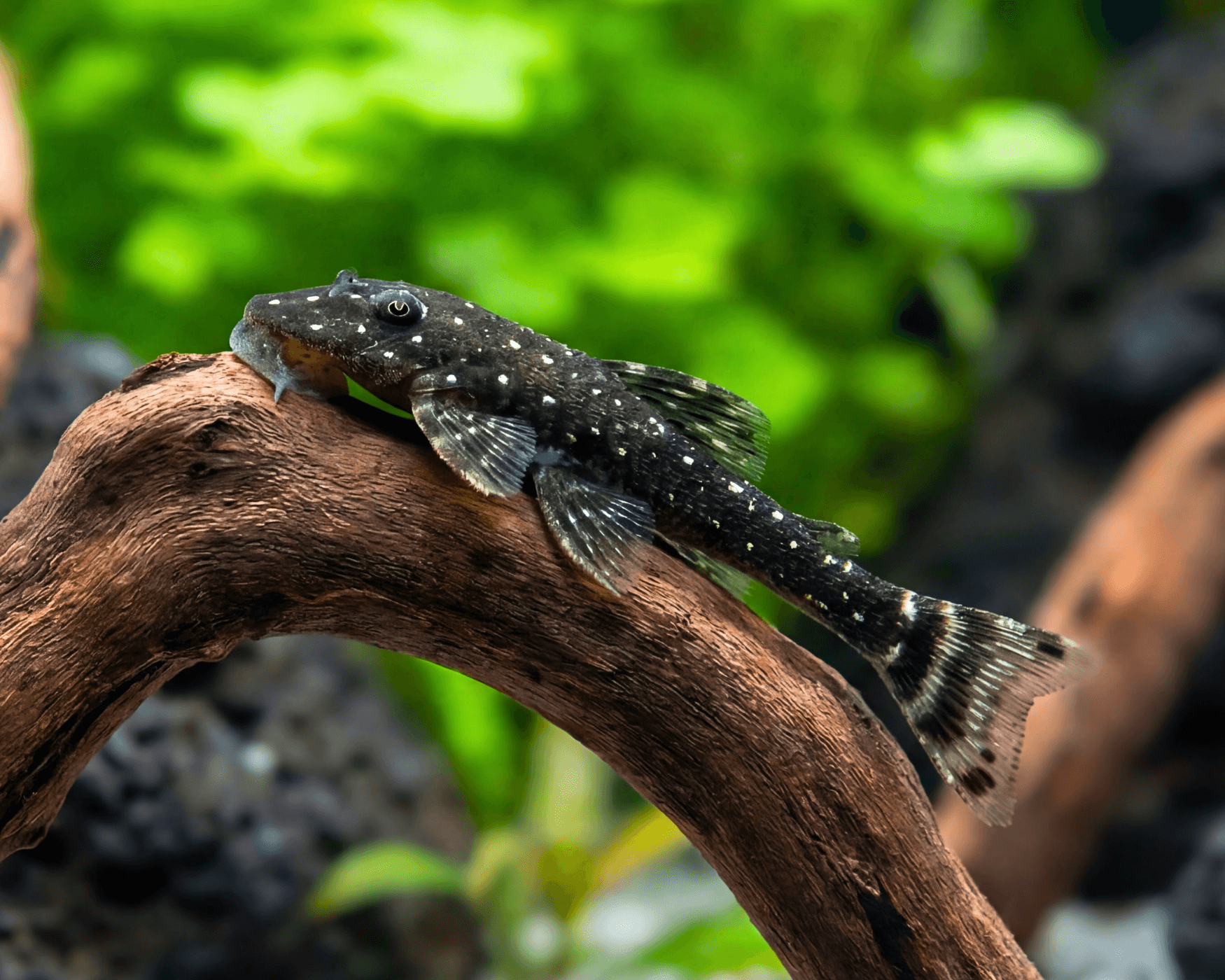
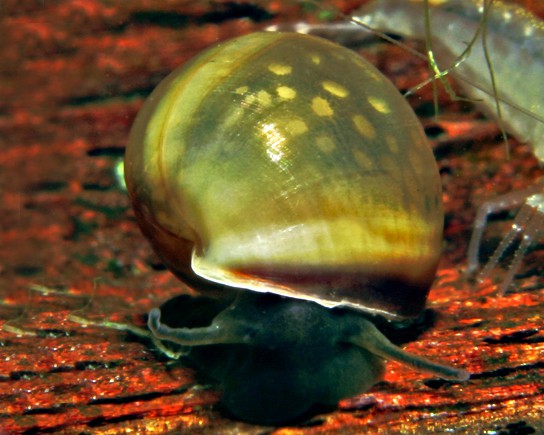
Aquarium snails can be useful planted-tank companions, but their population often reflects the amount of available food. A sudden increase in small hitchhiker snails is usually a feeding and waste-management signal, not proof that the aquarium needs more “cleaners.” Nerite snails are popular because they generally do not reproduce through a freshwater population explosion, although females may leave eggs on hard surfaces. Many other snails can multiply when scraps are abundant. Choose snails for their adult size, feeding needs and water requirements, then control portions and remove decaying leaves. A snail adds waste too, even when it helps process algae or leftovers.
Easy plants lower risk but do not erase maintenance
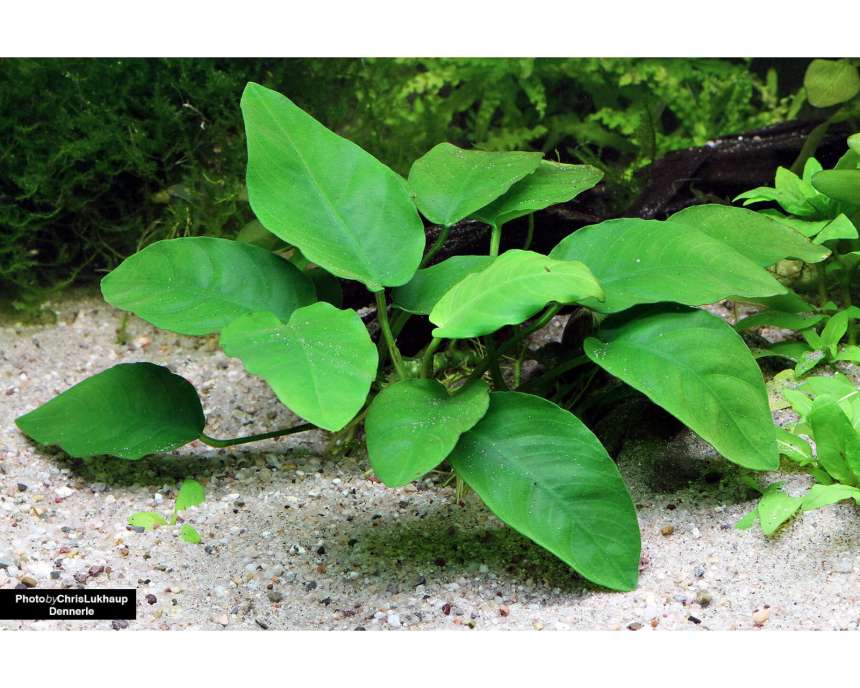
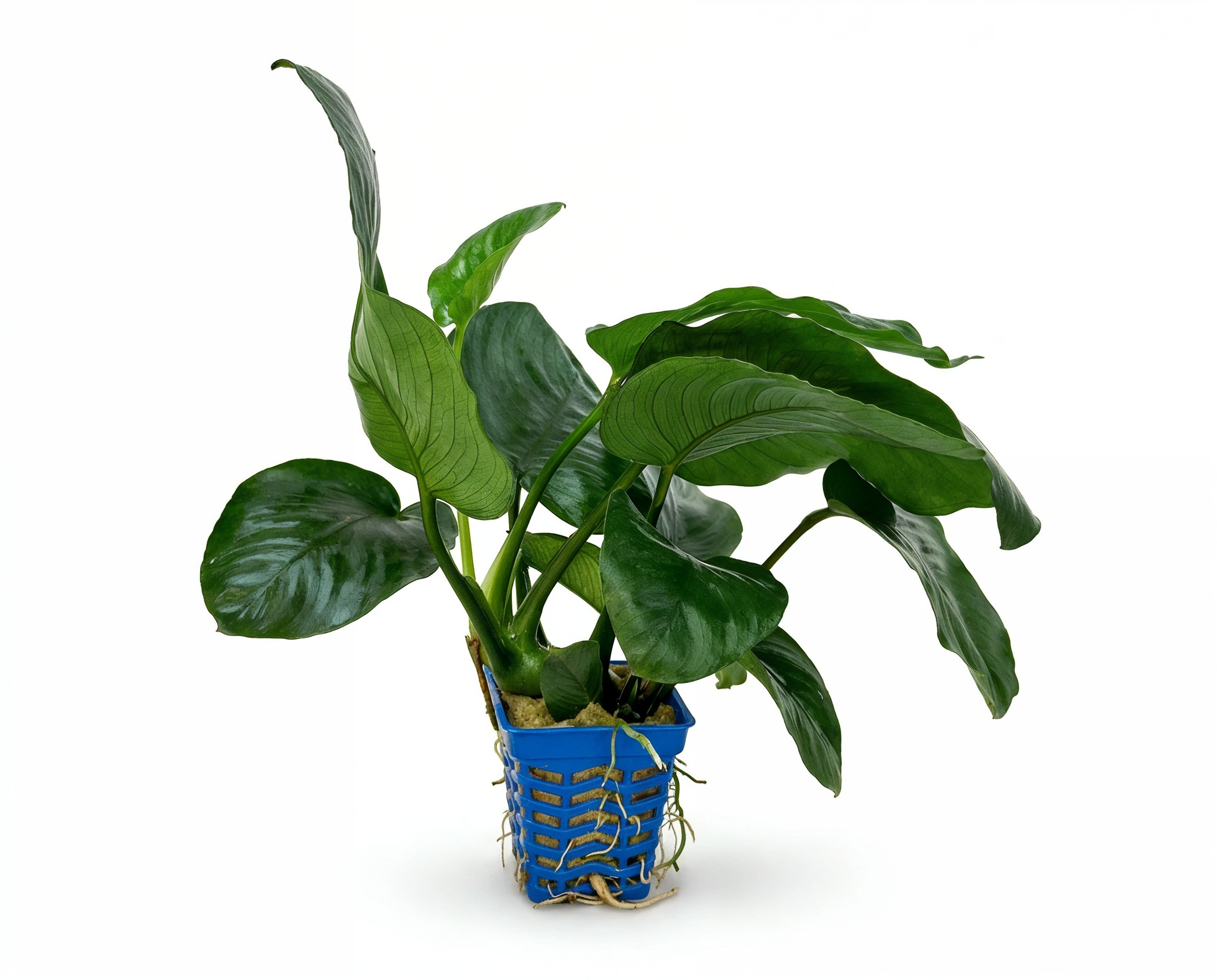
For a low-tech beginner aquarium, start with plants that tolerate modest light and do not depend on injected carbon dioxide, such as Anubias, Java fern, Java moss, Cryptocoryne and selected floating plants. Attach rhizome plants to wood or rock instead of burying the rhizome, and expect some Cryptocoryne species to shed old leaves after planting or environmental changes. Fast-growing stems and floaters can consume nutrients quickly, but they also require regular trimming and may shade slower plants. Use a timer, avoid excessive light and remove melting leaves promptly. Plant mass supports stability and shelter; it does not replace testing, water changes or responsible feeding.
A maintenance-first stocking framework
Use a simple sequence before purchase: choose the tank’s adult footprint, select one primary fish plan, add only compatible bottom or invertebrate residents, and leave capacity for growth and surprises. Keep a written feeding schedule, test during the first weeks after each addition and increase stocking gradually rather than all at once. In a nano aquarium, one extra species can create more work than expected because every portion, territorial dispute and dead leaf matters. A peaceful fish-only setup may be simpler than a mixed community, while a shrimp-and-snail tank may require less feeding but more attention to stability. The best combination is the one you can maintain consistently.
Frequently Asked Questions
Can colorful freshwater fish, shrimp and snails live together?
Sometimes, but compatibility depends on adult size, hunting behavior, temperament, water conditions and cover. Adult snails are often safer than shrimp, while baby shrimp may be eaten by many community fish. Test the fish plan first and add invertebrates only when the aquarium is mature and well planted.
Do aquarium plants reduce fish bioload?
Plants absorb nutrients and provide habitat, but they do not remove the need for filtration, water changes or controlled feeding. Their nutrient uptake varies with growth rate, light, carbon availability and plant mass. Treat plants as biological support rather than permission to overstock.
Are livebearers suitable for a nano planted aquarium?
Some small livebearers may fit an appropriately sized aquarium, but reproduction can quickly increase stocking pressure. An all-male group is more predictable than a mixed-sex group, although behavior and tank dimensions still matter. Plan for adult size, swimming space and fry before purchase.
What are the easiest plants for a first freshwater aquarium?
Anubias, Java fern, Java moss and many Cryptocoryne varieties are common low-tech choices. Floating plants can also help use nutrients and diffuse light, but they need thinning. Confirm the plant’s mature size and keep rhizomes of Anubias and Java fern above the substrate.
How often should a planted aquarium be fed?
Feed according to the livestock, not the appearance of the tank. Most community fish do well with small portions, while shrimp and snails may need only occasional supplemental food in a mature aquarium. Remove uneaten food and reduce portions whenever waste or algae increases.




 - 2.webp)

Leave your comments