


Overview
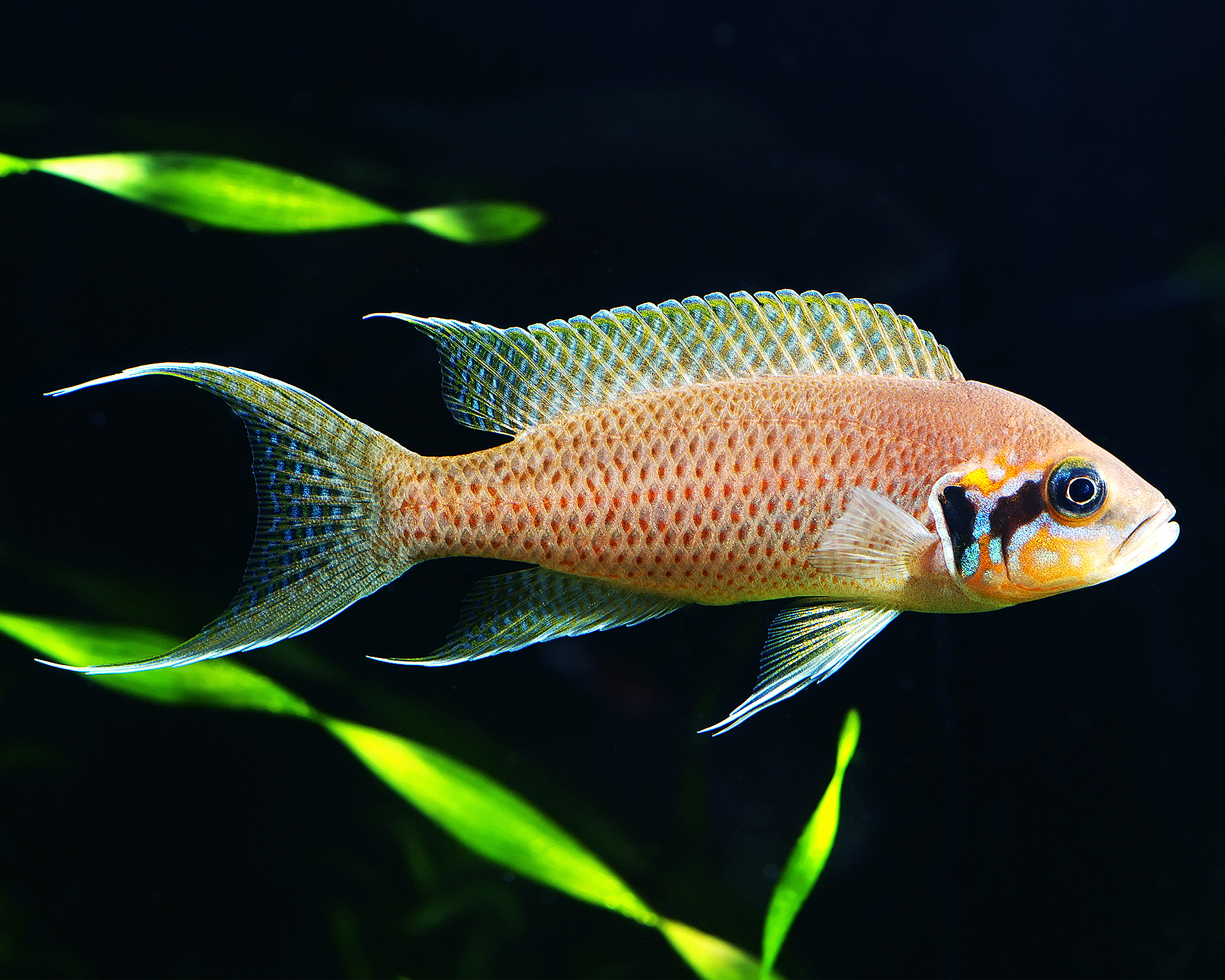
The Black Starfire Plakat Betta Male is a cultivated variety of the Siamese Fighting Fish, *Betta splendens*. These fish are celebrated for their vivid coloration, complex patterns, and distinctive fin shapes. The 'Plakat' designation refers to their short, natural finnage, which is often preferred by enthusiasts for its resemblance to wild Betta forms and its practicality, as shorter fins are less prone to tearing. The 'Starfire' pattern adds a layer of iridescent speckles, often in shades of blue, green, or white, over a dark, typically black, body, creating a celestial appearance.

Distribution and Habitat
While the Black Starfire Plakat Betta Male is a captive-bred ornamental strain, its wild ancestors, *Betta splendens*, originate from the stagnant or slow-moving waters of Southeast Asia, particularly Thailand, Cambodia, Laos, and Vietnam. They inhabit rice paddies, canals, and floodplains, where water can be warm, soft, and slightly acidic. These environments are often densely vegetated, providing ample hiding spots and shelter from predators. Their labyrinth organ, which allows them to breathe atmospheric air, is an adaptation to these oxygen-poor habitats.
Description of Black Starfire Plakat Betta Male
This particular Betta variant is highly prized for its unique aesthetic, combining the robust form of a Plakat with the dazzling 'Starfire' coloration.
Body shape:
The body is torpedo-shaped, robust, and muscular, typical of the Plakat (short-finned) variety. Males are generally more slender and elongated than females, with a more pronounced head and gill plate area.
Color:
The base color is a deep, rich black, providing a dramatic canvas for the 'Starfire' pattern. This pattern consists of numerous small, iridescent scales scattered across the body, often appearing in striking shades of electric blue, vibrant green, or shimmering white. These iridescent flecks catch the light, giving the fish a sparkling, galaxy-like appearance.
Barbels:
Bettas do not possess barbels.
Snout:
The snout is relatively short and pointed, leading to an upturned mouth, indicative of their surface-feeding habits.
Eyes:
The eyes are prominent and expressive, typically dark, matching the body color or having an iridescent sheen that complements the 'Starfire' pattern.
Fins:
As a Plakat, this Betta possesses short, rounded, and strong fins. The dorsal, caudal (tail), and anal fins are well-developed but do not have the exaggerated length seen in long-finned varieties. The fins are predominantly black, often edged or streaked with the same iridescent blue, green, or white as the body, enhancing the 'Starfire' effect. The pectoral fins are small and clear or slightly colored.
The Tail:
The caudal fin (tail) of a Plakat Betta is typically short and rounded or spade-shaped, though variations like halfmoon plakat (HM Plakat) exist where the tail spreads to 180 degrees. It is robust and powerful, allowing for quick, agile movements.

Temper
Male Betta splendens, including the Black Starfire Plakat, are famously territorial and aggressive towards other male Bettas, often fighting to the death. They are generally considered semi-aggressive in a community tank setting. While they can coexist with certain peaceful, non-fin-nipping species, care must be taken to select appropriate tank mates. They may also show aggression towards fish with long, flowing fins or bright colors that they perceive as rivals.
Sociality
Black Starfire Plakat Betta Males are solitary fish and should be housed individually in their own tank. While a 'sorority' of female Bettas can sometimes be kept together in a large, heavily planted tank, this is not recommended for males. If keeping multiple Bettas, each male must have its own separate, appropriately sized aquarium. They can often be kept with certain peaceful bottom-dwellers or fast-moving, small schooling fish that do not resemble Bettas.
Activity
Bettas are generally active fish, especially when exploring their environment or interacting with their reflection or perceived rivals. They are curious and will investigate new decorations or changes in their tank. While they can have periods of rest, they are not typically sluggish. Plakat Bettas, with their shorter fins, are often more agile and active swimmers than their long-finned counterparts.
Keeping and Caring for Black Starfire Plakat Betta Male
Providing the right environment is crucial for the health and vibrancy of your Black Starfire Plakat Betta Male.
Tank size:
A minimum of 5 gallons (approximately 19 liters) is recommended for a single Betta. Larger tanks (10 gallons or more) are even better, as they provide more stable water parameters and more space for exploration.
Water Parameters:
Temperature
Maintain a stable water temperature between 24-28°C (75-82°F). A heater is essential to prevent temperature fluctuations.
pH
A pH range of 6.0-7.5 is ideal. Bettas prefer slightly acidic to neutral water.
Hardness
Soft to moderately hard water is preferred, typically 5-15 dGH (89-268 ppm).
Ammonia, Nitrite, Nitrate
Ammonia and nitrite levels must be 0 ppm. Nitrates should be kept below 20 ppm through regular partial water changes (25-50% weekly, depending on tank size and bioload).
Lighting
Moderate lighting is suitable. Bettas appreciate shaded areas provided by plants or decor. Avoid overly bright, harsh lighting.
Water flow
Bettas prefer very gentle water flow. Strong currents can stress them and make swimming difficult, especially for long-finned varieties, though Plakats are more robust. Sponge filters or filters with adjustable flow rates are excellent choices.
Decorations and Plants
Provide plenty of hiding spots and visual barriers using live or silk plants (avoid plastic plants with sharp edges that can tear fins), caves, and driftwood. Bettas enjoy resting on broad leaves near the surface. Ensure all decorations are smooth and free of sharp edges.
Diet
Black Starfire Plakat Bettas are carnivorous and require a high-protein diet. Their primary diet should consist of high-quality Betta pellets or flakes. Supplement this with frozen or live foods such as bloodworms, brine shrimp, daphnia, and mosquito larvae. This varied diet ensures optimal health and vibrant coloration.
Some Feeding Tips
- Feed small amounts 1-2 times a day, only what they can consume in 2-3 minutes.
- Avoid overfeeding, as this can lead to digestive issues and poor water quality.
- Fasting one day a week can aid digestion.
- Observe your Betta's eating habits to adjust feeding amounts as needed.
Breeding
Breeding Black Starfire Plakat Bettas can be a rewarding but challenging endeavor. Males are bubble nest builders and will guard their eggs and fry aggressively. A separate breeding tank with shallow, warm, soft, and slightly acidic water is required. The male will build a bubble nest, entice the female to spawn, and then care for the eggs and fry. The female should be removed after spawning to prevent aggression. Fry require specialized feeding with infusoria, then micro-worms and newly hatched brine shrimp.
Conclusion
The Black Starfire Plakat Betta Male is a magnificent and captivating fish, offering a unique blend of robust Plakat finnage and stunning 'Starfire' iridescence. With proper care, a suitable environment, and a well-balanced diet, this Betta will thrive and become a spectacular focal point in any dedicated aquarium. Its striking appearance and engaging personality make it a favorite among aquarists, from beginners to seasoned enthusiasts.




 - 1.webp)
 - 1.webp)

 - RaritДt - 1.webp)


Leave your comments