It’s time to help contribute for biggest aquarium gallery online

SUBMIT HEREVIEW GALLERY

Betta splendens (Halfmoon Copper Betta Male)

Overview

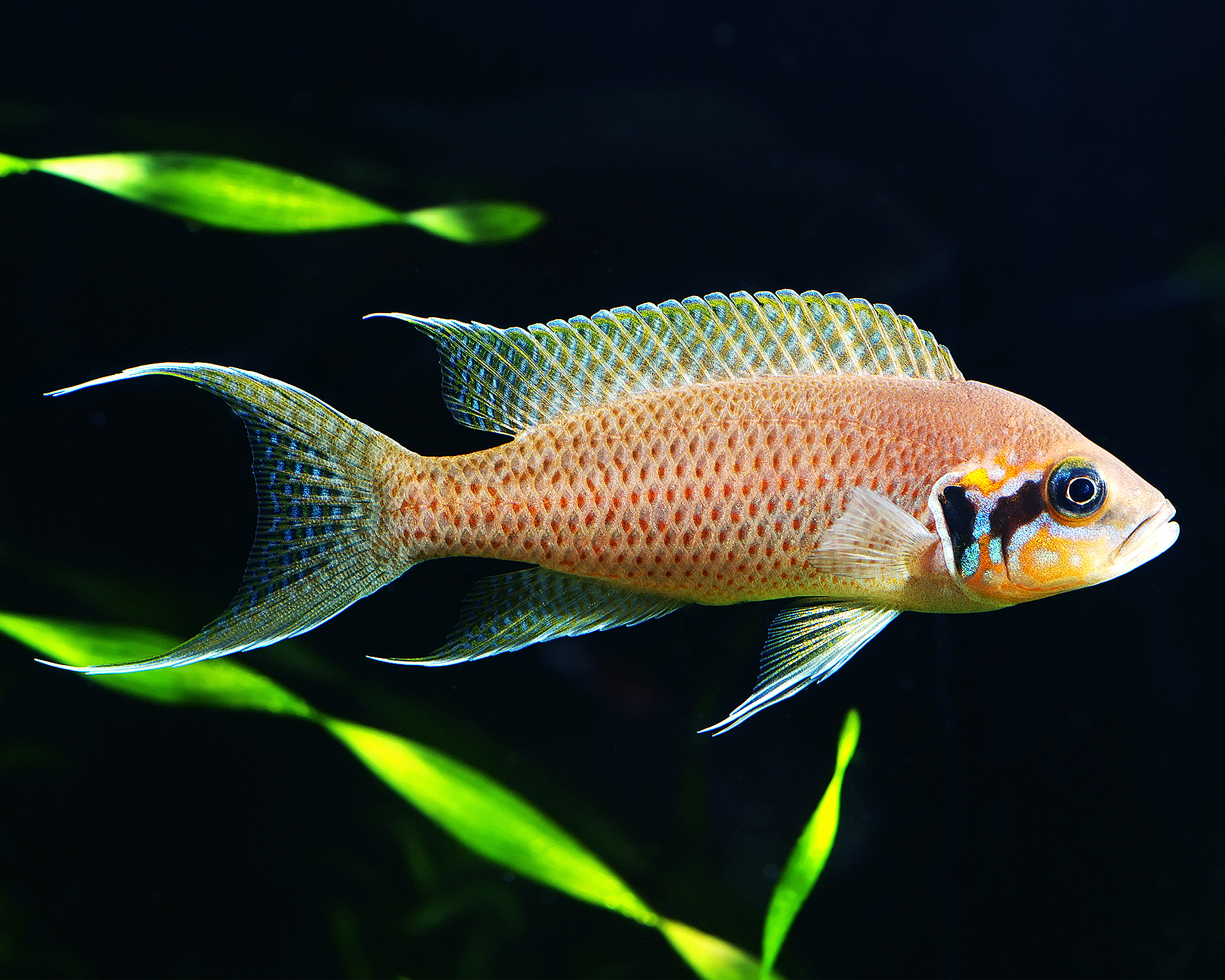
Image of Halfmoon Copper Betta Male

The Halfmoon Copper Betta Male is a stunning and highly sought-after variant of the widely popular Betta splendens. Celebrated for its captivating metallic sheen and dramatic finnage, this fish is a true gem in the aquarium hobby. The "copper" coloration is the result of selective breeding that brings out a highly reflective, iridescent layer of scales, while the "halfmoon" designation refers to the fish's impressive tail that forms a perfect 180-degree semi-circle when fully flared.

Distribution and Habitat

In the wild, Betta splendens are native to the Mekong and Chao Phraya river basins in Southeast Asia, primarily found in Thailand, Cambodia, Laos, and Vietnam. They inhabit shallow, sluggish, or standing waters such as rice paddies, swamps, slow-moving streams, and drainage ditches. These environments are typically warm, densely vegetated, and low in dissolved oxygen, which led to the evolutionary development of their labyrinth organ, allowing them to breathe atmospheric air.

Description of Halfmoon Copper Betta Male

Image of Halfmoon Copper Betta Male

Body shape:

The body is elongated and torpedo-shaped, slightly laterally compressed. This streamlined build is typical of wild bettas, though the exaggerated finnage of the Halfmoon variant makes them appear much larger and more robust.

Color:

The defining feature of this variant is its brilliant copper coloration. Under different lighting, the metallic scales can shift in appearance, reflecting shades of gold, silver, dark brown, black, and sometimes subtle hints of turquoise or blue. The iridescence gives the fish a foil-like, glowing quality.

Barbels:

Betta splendens do not possess barbels.

Snout:

They have an upturned, superior mouth designed specifically for feeding on insects and larvae at the water's surface.

Eyes:

Their eyes are dark, prominent, and highly expressive. Bettas have excellent vision, which they use to hunt small prey and monitor their territory for rivals or potential mates.

Fins:

The dorsal, anal, and pelvic fins are exceptionally long and flowing. While beautiful, these long fins can be quite heavy for the fish and are susceptible to tearing if kept in aquariums with sharp decorations.

The Tail:

The caudal fin (tail) is the hallmark of the Halfmoon Betta. When flared, the tail spreads to a full 180 degrees, creating a perfect "D" or halfmoon shape with straight, crisp edges.

Temper

Male Bettas are notoriously territorial and aggressive toward other male bettas, earning them the name "Siamese Fighting Fish." They will flare their gills and fins to intimidate rivals and will fight to the death if housed with another male. However, toward other species, they are generally semi-aggressive to peaceful, provided the tank mates do not resemble bettas.

Sociality

Halfmoon Copper Betta Males are solitary by nature and do perfectly well living entirely alone. If kept in a community tank, tank mates must be chosen with extreme care. Avoid fin-nipping fish (like certain tetras or barbs) and brightly colored or long-finned fish (like guppies) that the betta might mistake for a rival. Good companions include bottom-dwellers like Corydoras catfish, Otocinclus, and certain snails.

Activity

They are diurnal fish, active during the day and resting at night. Bettas are highly inquisitive and will frequently patrol their territory, investigate new objects, and interact with their owners through the glass. Due to their heavy fins, Halfmoon males often need to rest on broad plant leaves near the water's surface.

Keeping and Caring for Halfmoon Copper Betta Male

Image of Halfmoon Copper Betta Male

Tank size:

A minimum of 5 gallons (19 liters) is highly recommended for a single male. While they can survive in smaller spaces, a 5-gallon tank provides a stable nitrogen cycle, room to swim, and space for enrichment.

Water Parameters:

Temperature

They are tropical fish requiring a stable water temperature between 24-28°C (75-82°F). A reliable aquarium heater is a must.

pH

The ideal pH range is slightly acidic to neutral, between 6.5 and 7.5. They can adapt to slight variations as long as the pH remains stable.

Hardness

Soft to moderate water hardness is preferred, ideally between 5 and 20 dGH.

Ammonia, Nitrite, Nitrate

Ammonia and Nitrite must always be at 0 ppm. Nitrates should be kept as low as possible, ideally below 20 ppm, through regular water changes.

Lighting

Low to moderate lighting is best. Bettas do not appreciate overly bright environments. Floating plants can help diffuse light and make them feel more secure.

Water flow

Water flow must be kept very gentle. The heavy finnage of the Halfmoon Betta makes swimming in strong currents exhausting and stressful. Sponge filters or baffled hang-on-back filters are ideal.

Decorations and Plants

Live plants like Anubias, Java Fern, and floating Salvinia are excellent choices. If using artificial plants, silk is preferred over plastic to prevent fin tearing. Ensure all caves and decorations have smooth edges and holes large enough that the betta will not get stuck.

Diet

Image of Halfmoon Copper Betta Male

Bettas are obligate carnivores. Their diet should consist primarily of high-quality, protein-rich betta pellets or flakes. This should be supplemented with frozen or live foods such as bloodworms, brine shrimp, daphnia, and mosquito larvae to ensure optimal health and coloration.

Some Feeding Tips

Overfeeding is a common issue that can lead to bloating and swim bladder disease. Feed only 2 to 3 small pellets (or the equivalent in live/frozen food) twice a day. Fasting your betta for one day a week can help clear their digestive tract.

Breeding

Breeding Bettas is a complex process requiring a separate breeding tank, careful conditioning of the male and female with high-protein foods, and close monitoring. The male builds a bubble nest at the water's surface. Once the female releases her eggs during an intricate "embrace," the male fertilizes them, catches them, and places them in the nest. The female must be removed immediately after spawning, as the male becomes highly aggressive while guarding the eggs and fry.

Conclusion

The Halfmoon Copper Betta Male is an undeniably spectacular fish that adds a touch of metallic brilliance to any appropriately set-up aquarium. While their long fins require a bit of mindful care regarding water flow and tank decor, their interactive personalities and breathtaking appearance make them one of the most rewarding aquatic pets for both beginners and experienced aquarists.

Fish info

Care level: Easy - Moderate
Temperament: Semi-aggressive
Adult size: 5-7 cm
Life expectancy: 3-5 years
Fish type: Labyrinth Fish
Temperature : 24-28°C
pH: 6.5-7.5
Color Form: Black, Brown, Gold, Silver, Turquoise
Leave your comments
Lastest on Fishs
  • Channa andrao (Blue Snakehead)

    Moderate
    Labyrinth Fish
    The Blue Snakehead (Channa andrao) is a captivating dwarf species highly sought after by aquarium enthusiasts. Originating from the swamps of India, this rare gem boasts mesmerizing blue hues and fascinating behaviors. Despite its predatory nature, its manageable size makes it an incredible centerpiece for dedicated keepers.
  • Moenkhausia sp. (Blue-Eye Kogal Tetra)

    Easy - Moderate
    Labyrinth Fish
    The Blue-Eye Kogal Tetra, an undescribed Moenkhausia species, is a stunning and active schooling fish prized for its striking bright blue eyes and shimmering golden-silver body. Originating from South America, this peaceful yet energetic tetra adds a captivating gleam and dynamic movement to any well-planted community aquarium.
  • Carnegiella marthae (Blackwing Hatchetfish)

    Moderate
    Labyrinth Fish
    The Blackwing Hatchetfish is a fascinating, peaceful surface-dweller native to the slow-moving, acidic waters of South America. Known for its uniquely deep, keeled belly and remarkable ability to leap from the water to catch insects, this distinctive schooling fish adds captivating upper-level activity to any well-covered community aquarium.
  • Hyphessobrycon wadai (Blackberry Tetra)

    Easy - Moderate
    Labyrinth Fish
    Hailing from the clear waters of Brazil's Rio Tapajós basin, the Blackberry Tetra (Hyphessobrycon wadai) is a stunning, recently described species. Known for its striking deep purple-blue coloration and peaceful schooling nature, it has quickly become a highly sought-after gem among aquarists looking to add vibrant contrast to planted aquariums.
  • Megalamphodus megalopterus (Black Phantom Tetra)

    Easy
    Labyrinth Fish
    The Black Phantom Tetra, native to the Guaporé and Paraguay river basins, is a striking and peaceful schooling fish. Known for its elegant, contrasting black and silver appearance and elongated fins in males, it is a highly popular and hardy choice for planted community aquariums.
  • Hyphessobrycon herbertaxelrodi (Black Neon Tetra)

    Easy
    Labyrinth Fish
    Originating from the Paraguay basin in South America, the Black Neon Tetra is a peaceful, schooling fish beloved by aquarists. Known for its striking black and iridescent greenish-white lateral stripes, this hardy species adds vibrant contrast and active, dynamic movement to any well-planted community aquarium.
  • Nematobrycon palmeri (Black Emperor Tetra)

    Easy - Moderate
    Labyrinth Fish
    The Black Emperor Tetra is a striking, captive-bred melanistic variety of the classic Emperor Tetra. Originating from Colombian lineages, this peaceful, active fish is highly prized in the aquarium hobby for its deep, velvety black coloration and iridescent purple sheen, adding dramatic elegance to any planted community tank.
  • Puntius titteya (Albino Fire Red Cherry Barb)

    Easy
    Labyrinth Fish
    The Albino Fire Red Cherry Barb is a stunning, selectively bred variation of the classic Cherry Barb. Originating from Sri Lanka's shaded streams, this peaceful cyprinid boasts vibrant red-orange hues and striking red eyes. Its hardy nature and active schooling behavior make it highly popular among freshwater aquarists.
  • Puntius titteya (Cherry Barb)

    Easy
    Labyrinth Fish
    Native to the shaded streams of Sri Lanka, the Cherry Barb (Puntius titteya) is a remarkably peaceful and hardy schooling fish. Renowned for the male's vibrant, deep red breeding coloration, this active cyprinid is a highly popular, easy-to-care-for addition to heavily planted community aquariums worldwide.
  • Channa pulchra (Peacock Snakehead)

    Moderate
    Labyrinth Fish
    Native to the fast-flowing streams of Myanmar, the Peacock Snakehead (Channa pulchra) is a stunning, subtropical species highly prized by aquarists. Known for its vibrant blue hues, striking black spots, and relatively peaceful demeanor for a snakehead, it makes a captivating and hardy addition to specialized predator setups.
  • Sawbwa resplendens (Sawbwa Barb)

    Moderate
    Labyrinth Fish
    Endemic to Lake Inle in Myanmar, the Sawbwa Barb (or Asian Rummynose) is a striking, completely scaleless micro-cyprinid. Males boast a bright red head and tail tips against a silvery-blue body. Their peaceful schooling nature and unique appearance make them highly sought after by nano aquarium enthusiasts.
  • Channa bangkanensis (Bangka Snakehead)

    Moderate - Difficult
    Labyrinth Fish
    The Bangka Snakehead (Channa bangkanensis) is a captivating, medium-sized predator native to the blackwater peat swamps of Southeast Asia. Known for its striking reddish-brown coloration and aggressive ambush behavior, this species is highly sought after by experienced aquarists looking for a unique, specialized, and interactive predatory fish.
  • Ambystoma mexicanum (White Axolotl)

    Moderate
    Labyrinth Fish
    The White Axolotl, a captivating morph of Ambystoma mexicanum, is a fully aquatic salamander renowned for its neotenic traits and regenerative abilities. Originating from Mexico's high-altitude lakes, this captive-bred marvel has become incredibly popular in the aquarium hobby thanks to its unique, smiling appearance and fascinating, completely aquatic lifestyle.
  • Ambystoma mexicanum (Albino Axolotl)

    Moderate
    Labyrinth Fish
    The Albino Axolotl is a captivating, fully aquatic salamander native to the ancient lake systems of Mexico. Renowned for its extraordinary regenerative abilities and perpetual larval stage, this peaceful amphibian is highly popular among aquarists for its unique appearance, striking feathery gills, and endearing, permanent smile.
  • Sundadanio axelrodi (Blue Sundadanio)

    Moderate - Difficult
    Labyrinth Fish
    The Blue Sundadanio, scientifically known as Sundadanio axelrodi, is a stunning, miniature cyprinid native to the blackwater peat swamps of Southeast Asia. Known for its iridescent blue coloration and peaceful demeanor, it is a highly sought-after nano fish for advanced aquarists looking to create a specialized biotope aquarium.
  • Chelonodon patoca (Milk Spotted Puffer)

    Moderate - Difficult
    Labyrinth Fish
    The Milk Spotted Puffer, also known as the Asian Parrot Puffer, is a fascinating but demanding species originating from the Indo-West Pacific. Known for its distinct white spots and highly intelligent behavior, it transitions from freshwater to brackish or marine environments as it matures, making it a unique challenge for dedicated aquarists.