


Overview
The Blood Orange Halfmoon Betta Male, a cultivated variety of the Siamese Fighting Fish (Betta splendens), is celebrated for its breathtaking beauty and distinctive finnage. Originating from the rice paddies and slow-moving streams of Southeast Asia, these fish are known for their vibrant coloration and the impressive 180-degree spread of their caudal fin, resembling a half-moon. They are labyrinth fish, possessing a special organ that allows them to breathe atmospheric air, an adaptation to their often oxygen-poor natural habitats. While stunning, males are highly territorial and best kept singly in an aquarium.
Distribution and Habitat
Wild Betta splendens are native to the freshwater systems of Thailand, Cambodia, Laos, and Vietnam. They typically inhabit shallow, slow-moving or stagnant waters such as rice paddies, canals, and floodplains. These environments are often characterized by dense vegetation, muddy substrates, and fluctuating water conditions, including low oxygen levels. The Blood Orange Halfmoon Betta, like other ornamental Bettas, is a selectively bred form and does not exist in the wild in this specific coloration or fin type.
Description of Blood Orange Halfmoon Betta Male

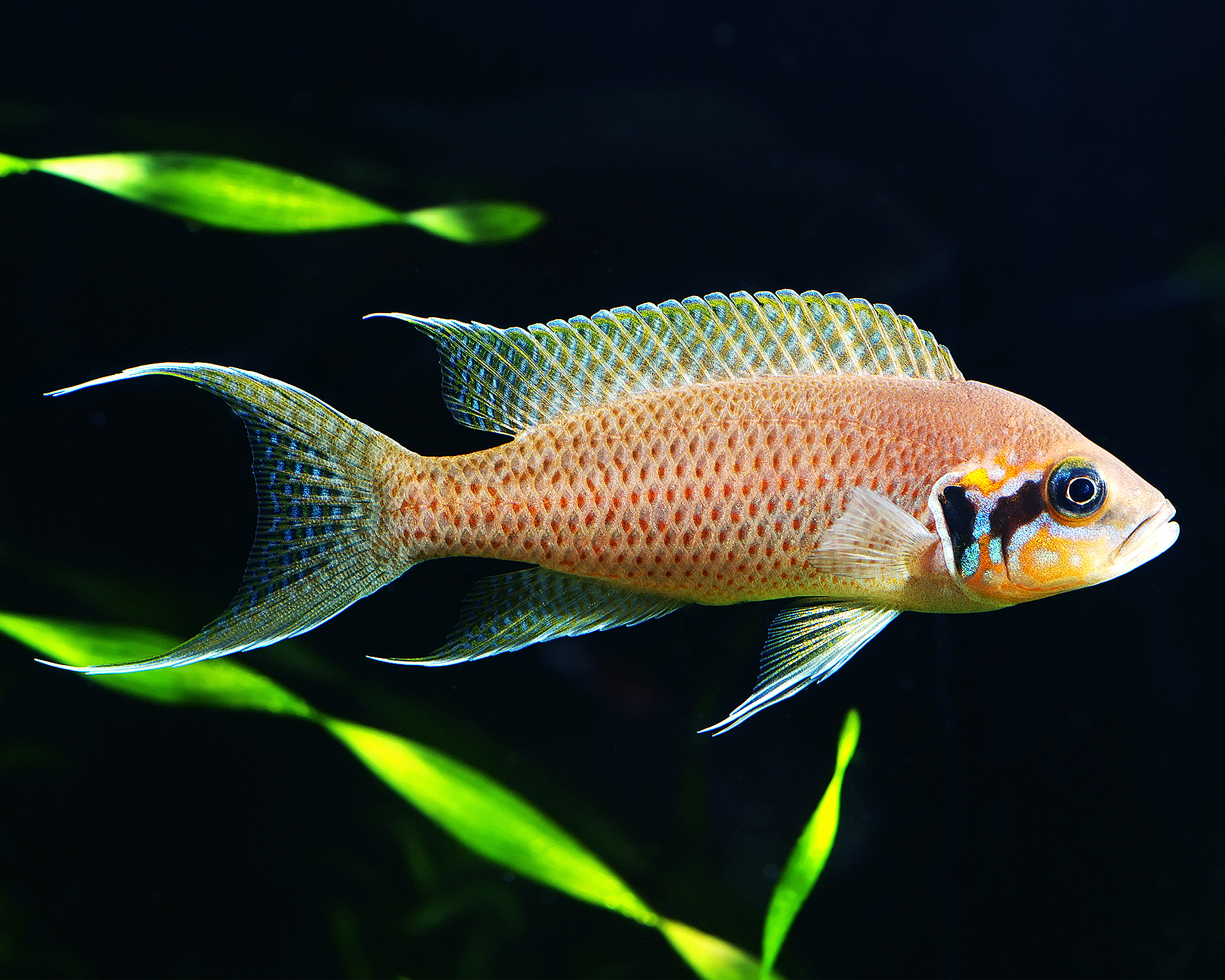
The Blood Orange Halfmoon Betta Male is a truly magnificent specimen, instantly recognizable by its vivid coloring and expansive fins.
Body shape:
Bettas have a torpedo-shaped body, slightly compressed laterally. Males are generally more robust than females, especially when mature. The body is streamlined, allowing for agile movement through dense vegetation.
Color:
As its name suggests, this variant displays a rich, deep blood orange to fiery red coloration across its body and fins. Often, the edges of the fins, particularly the caudal and dorsal, may exhibit a lighter, almost golden or creamy yellow hue, adding a striking contrast to the dominant red-orange.
Barbels:
Bettas do not possess barbels. Their sensory perception relies on their lateral line system and keen eyesight.
Snout:
The snout is relatively short and pointed, with an upturned mouth adapted for surface feeding, which is common in their natural habitat where they often consume insects from the water's surface.
Eyes:
Their eyes are prominent and round, positioned on the sides of their head, providing a wide field of vision. They are typically dark, contrasting with the vibrant body color.
Fins:
The most defining feature of the Halfmoon Betta is its spectacular finnage. The dorsal, anal, and pelvic fins are long and flowing. The caudal (tail) fin is particularly impressive, spreading out to a full 180-degree angle, forming a perfect "D" shape when flared, resembling a half-moon. The pectoral fins are smaller and more delicate.
The Tail:
The tail, or caudal fin, is the hallmark of the Halfmoon Betta. It is exceptionally large and full, fanning out in a perfect semi-circle. The rays are well-supported, giving the fin a robust yet elegant appearance. The color is predominantly blood orange/red, often with lighter, golden edges.
Temper
Male Blood Orange Halfmoon Bettas are known for their aggressive and territorial nature, especially towards other male Bettas. This is why they earned the moniker "Siamese Fighting Fish." While they can be aggressive towards conspecifics, they are generally peaceful towards other fish species that are not fin-nippers, too large, or too brightly colored to be mistaken for a rival Betta. Their aggression is primarily directed at perceived threats or rivals, particularly those with similar long, flowing fins.
Sociality
Due to their aggressive temperament, male Blood Orange Halfmoon Bettas are best kept as solitary specimens in a dedicated tank. They should never be housed with other male Bettas, as this will almost certainly result in fatal fights. While some aquarists attempt "sorority tanks" with female Bettas, this requires significant experience, a large tank, and careful monitoring. When considering tank mates for a male Betta, choose peaceful, non-fin-nipping species that are not overly colorful or boisterous, such as small schooling tetras (e.g., Neon Tetras, Ember Tetras), Corydoras catfish, or Otocinclus catfish. Avoid anything that might nip their delicate fins or compete for food aggressively.
Activity
Blood Orange Halfmoon Bettas are generally active fish, especially when exploring their environment or interacting with their reflection. They are not constant swimmers like some schooling fish but will gracefully glide through the water, often pausing to rest on plant leaves or decorations. They are most active during the day and will often flare their fins when excited or displaying. They are known to be curious and will investigate new additions to their tank.
Keeping and Caring for Blood Orange Halfmoon Betta Male
Caring for a Blood Orange Halfmoon Betta is relatively straightforward, making them a popular choice for both beginner and experienced aquarists. However, their specific needs, especially regarding water quality and tank setup, must be met to ensure their health and vibrant display.
Tank size:
A minimum of 5 gallons (approximately 19 liters) is recommended for a single male Betta. While they can survive in smaller bowls, this is not conducive to their long-term health or well-being. Larger tanks (10 gallons or more) are always preferable as they provide more stable water parameters and more space for exploration.
Water Parameters:
Maintaining stable and clean water is crucial for the health of your Betta.
Temperature
Bettas are tropical fish and require warm water, ideally between 24-28°C (75-82°F). A reliable heater with a thermostat is essential to maintain a consistent temperature.
pH
A slightly acidic to neutral pH range of 6.0-7.5 is suitable. Sudden fluctuations in pH should be avoided.
Hardness
Soft to moderately hard water is preferred, typically between 5-20 dGH (89-357 ppm). High hardness can stress Bettas.
Ammonia, Nitrite, Nitrate
Ammonia and nitrite levels must always be 0 ppm. Nitrates should be kept below 20 ppm through regular partial water changes (25-50% weekly, depending on tank size and stocking). A properly cycled tank is paramount.
Lighting
Moderate lighting is generally sufficient. Bettas appreciate shaded areas provided by floating plants or decor. Avoid overly harsh or bright lighting, which can stress them.
Water flow
Bettas, especially those with long, flowing fins like the Halfmoon, prefer very gentle water flow. Strong currents can make swimming difficult and stressful, potentially leading to fin damage. Sponge filters or filters with adjustable flow rates and baffles are ideal.
Decorations and Plants
Provide plenty of hiding spots and resting places. Live plants (e.g., Anubias, Java Fern, Cryptocoryne, floating plants like Frogbit or Salvinia) are highly recommended as they improve water quality and offer natural enrichment. Smooth rocks, driftwood, and Betta-safe decorations (no sharp edges) are also suitable. Ensure any decor is smooth to prevent fin tearing.
Diet
Blood Orange Halfmoon Bettas are carnivores, primarily insectivores in the wild. A high-quality diet is essential for their health and vibrant coloration.
Their diet should consist of:
- High-quality Betta pellets or flakes as a staple.
- Frozen or live foods such as bloodworms, brine shrimp, daphnia, and mosquito larvae. These provide essential nutrients and enrichment.
- Freeze-dried foods can be offered occasionally but should not be the primary diet.
Some Feeding Tips
- Feed small amounts 1-2 times a day, only what they can consume in 2-3 minutes. Overfeeding can lead to digestive issues and poor water quality.
- Vary their diet to ensure they receive a full spectrum of nutrients.
- Bettas can be prone to constipation; feeding daphnia or a blanched pea (without the skin) occasionally can help.
Breeding
Breeding Blood Orange Halfmoon Bettas can be a rewarding but challenging endeavor, typically undertaken by experienced aquarists. Males are bubble nest builders, constructing a nest of bubbles at the water's surface to house the eggs. The process involves careful conditioning of both male and female with high-protein foods, a separate breeding tank with shallow water, and close monitoring due to the male's aggressive nature towards the female after spawning. The male guards the eggs and fry, and the female must be removed immediately after spawning to prevent harm.
Conclusion
The Blood Orange Halfmoon Betta Male is a magnificent and captivating fish that brings a splash of vibrant color and personality to any aquarium. With proper care, a suitable environment, and a keen understanding of its unique temperament, this stunning labyrinth fish can thrive and provide years of enjoyment to its dedicated keeper. Its striking appearance and engaging behavior make it a true jewel of the freshwater aquarium hobby.




 - 1.webp)
 - 1.webp)

 - RaritДt - 1.webp)


Leave your comments