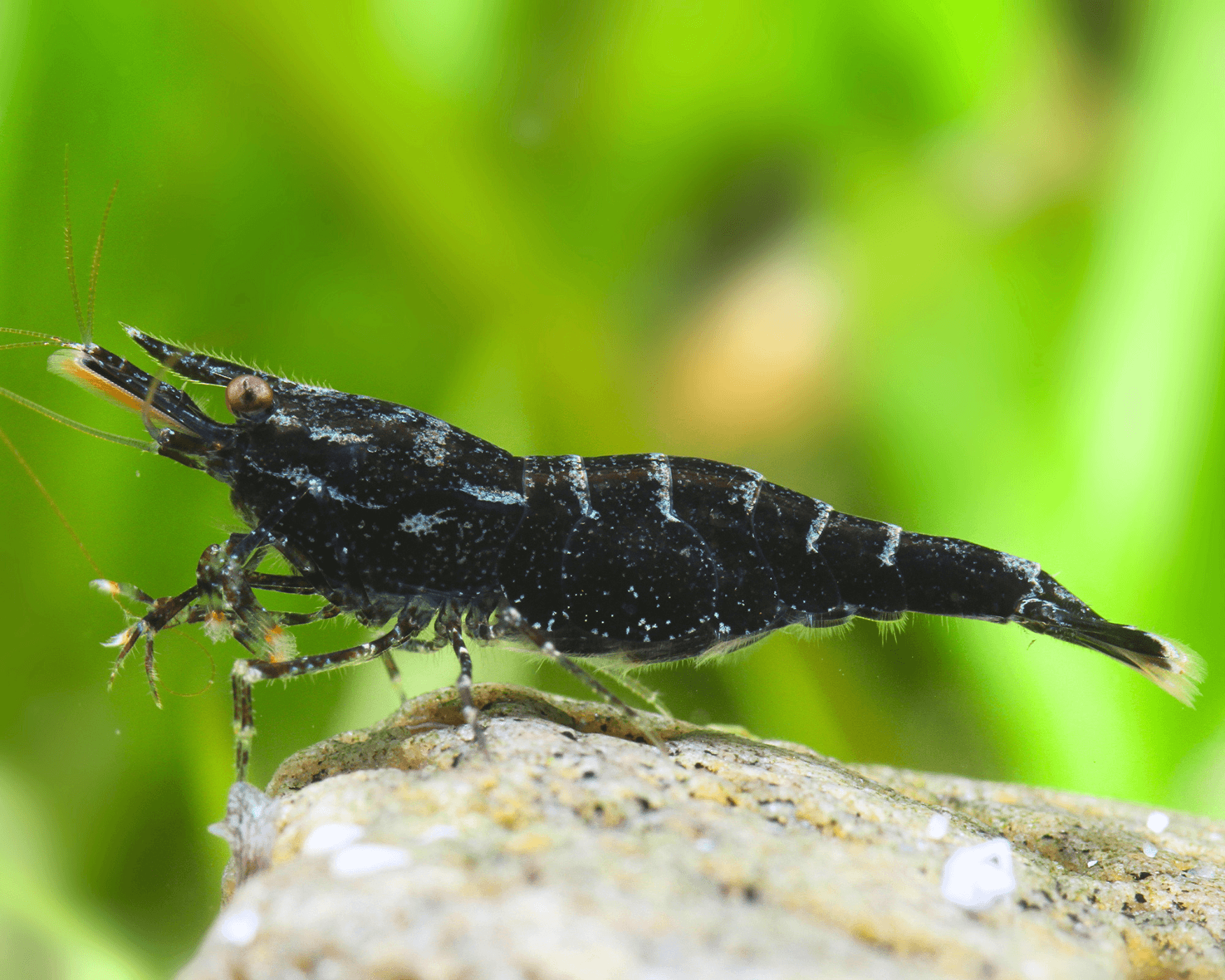
Taxonomy and Habitat
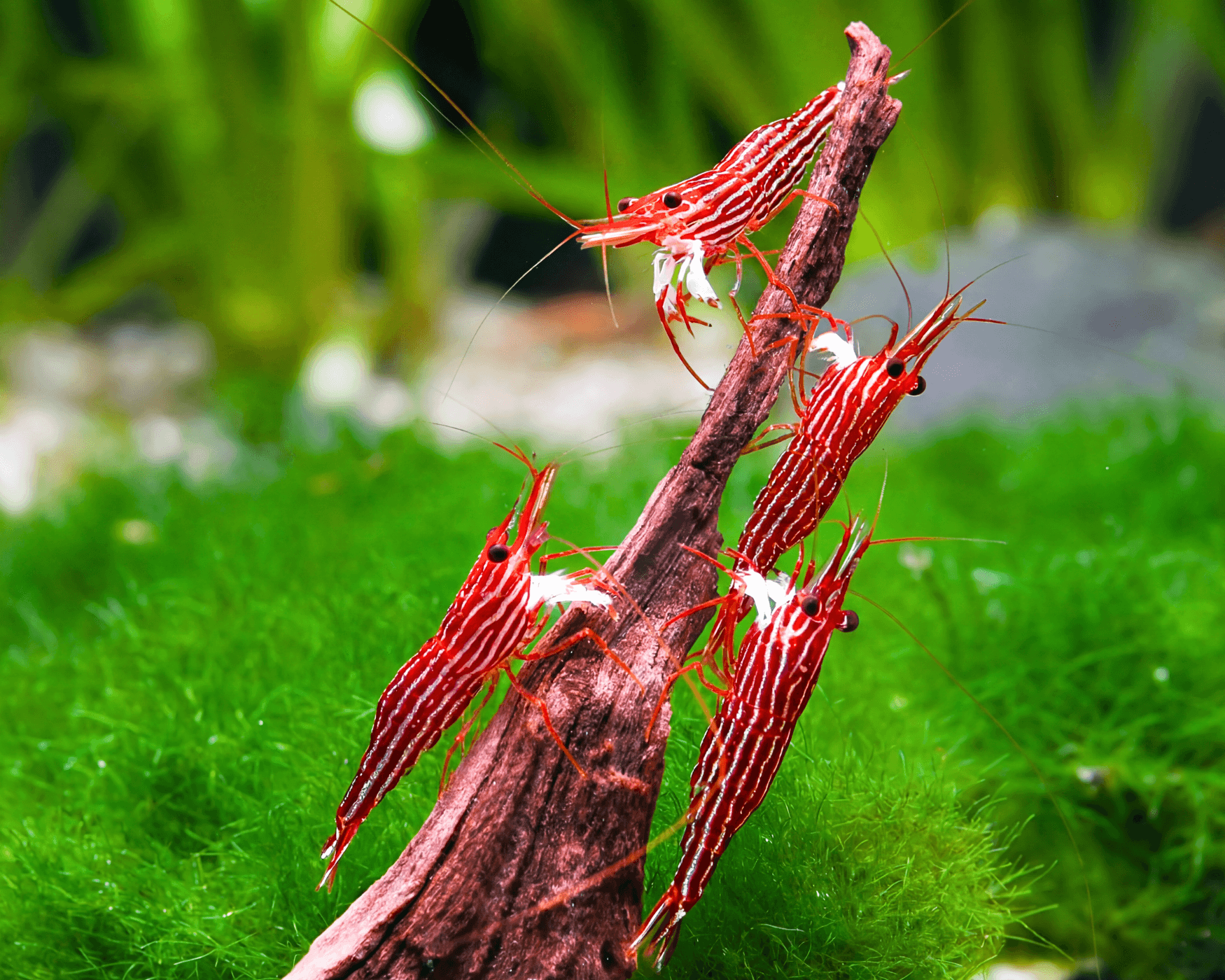
Caridina holthuisi is part of the diverse Atyidae family found within the Malili lake system of Sulawesi. They are exclusively found in the ancient, deep waters of Lake Mantano. Their natural environment is characterized by stable, high-temperature water and specific mineral concentrations, which are essential for their health and long-term survival in captivity.
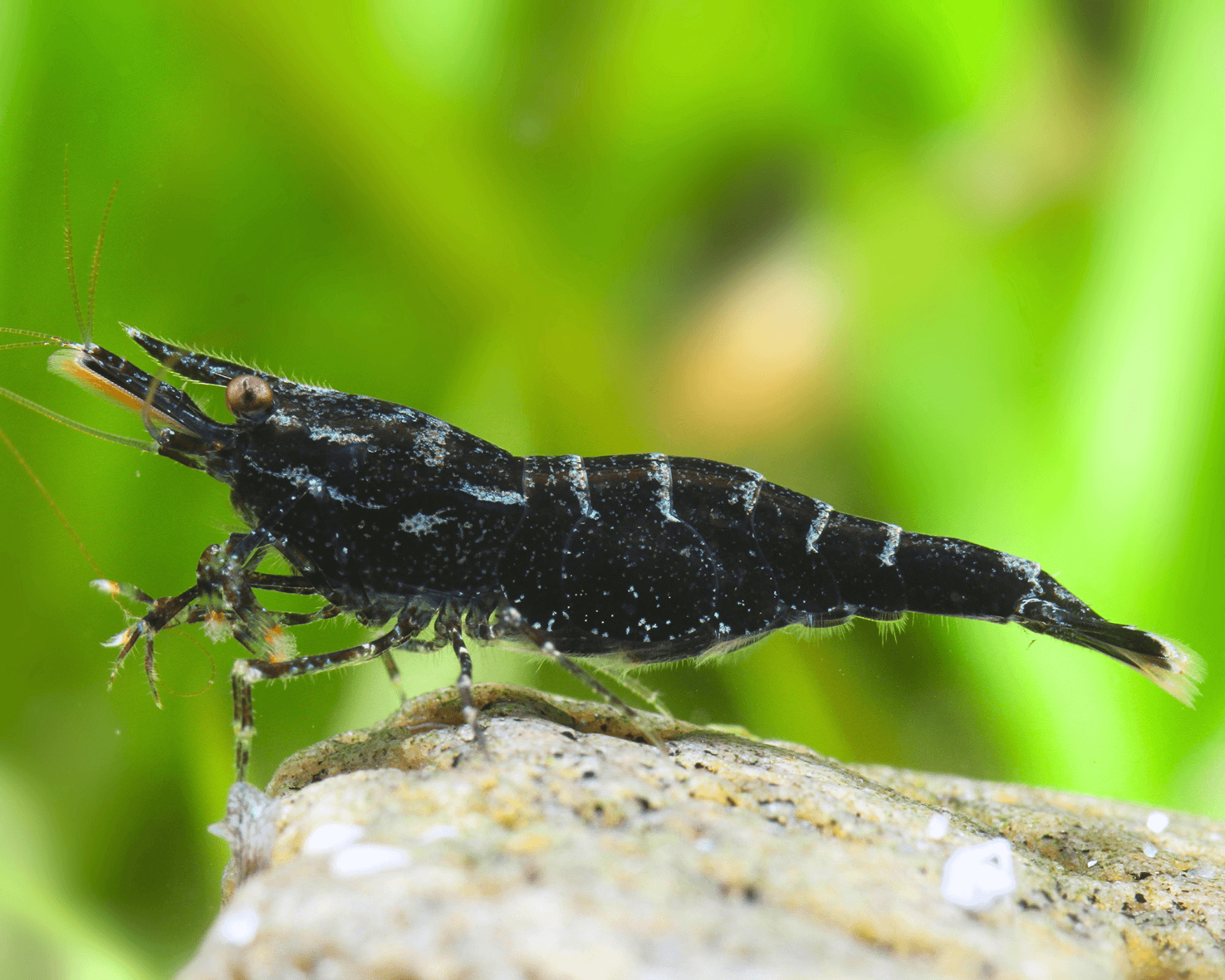
Water Parameters
Maintaining these shrimp requires strict adherence to their specific water requirements. They thrive in alkaline conditions with a pH between 7.5 and 8.5. The water must be kept warm, typically between 26 and 29 degrees Celsius. High water quality is non-negotiable; regular, small water changes using specialized Sulawesi mineral salts are recommended to maintain the correct GH and KH levels.
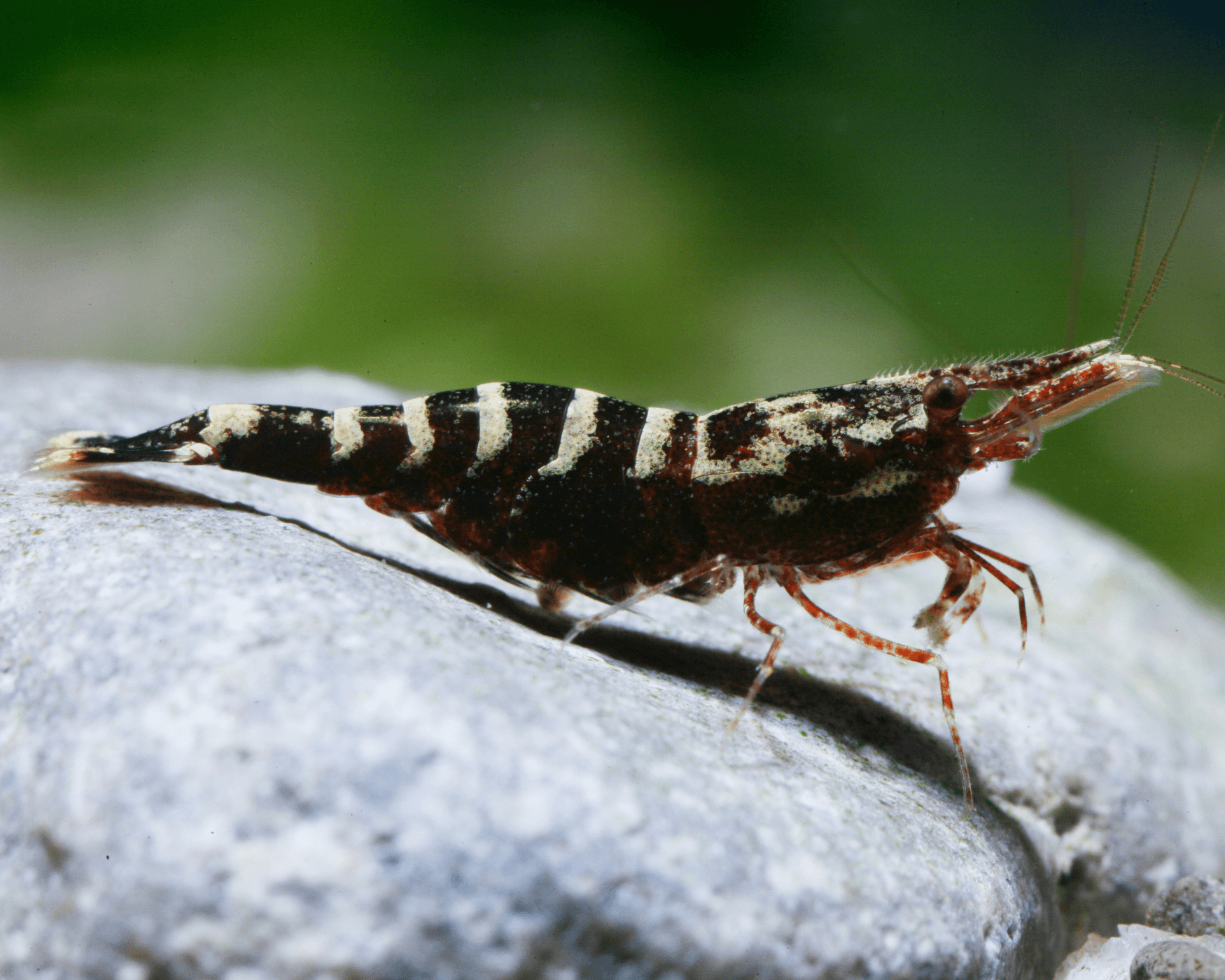
Feeding and Diet
In the aquarium, these shrimp are primarily grazers. They feed on biofilm, algae, and microorganisms found on hard surfaces like rocks and wood. Supplemental feeding should include high-quality shrimp pellets or powders specifically designed for Sulawesi species. It is important not to overfeed, as this can lead to water quality degradation, which these shrimp are particularly sensitive to.
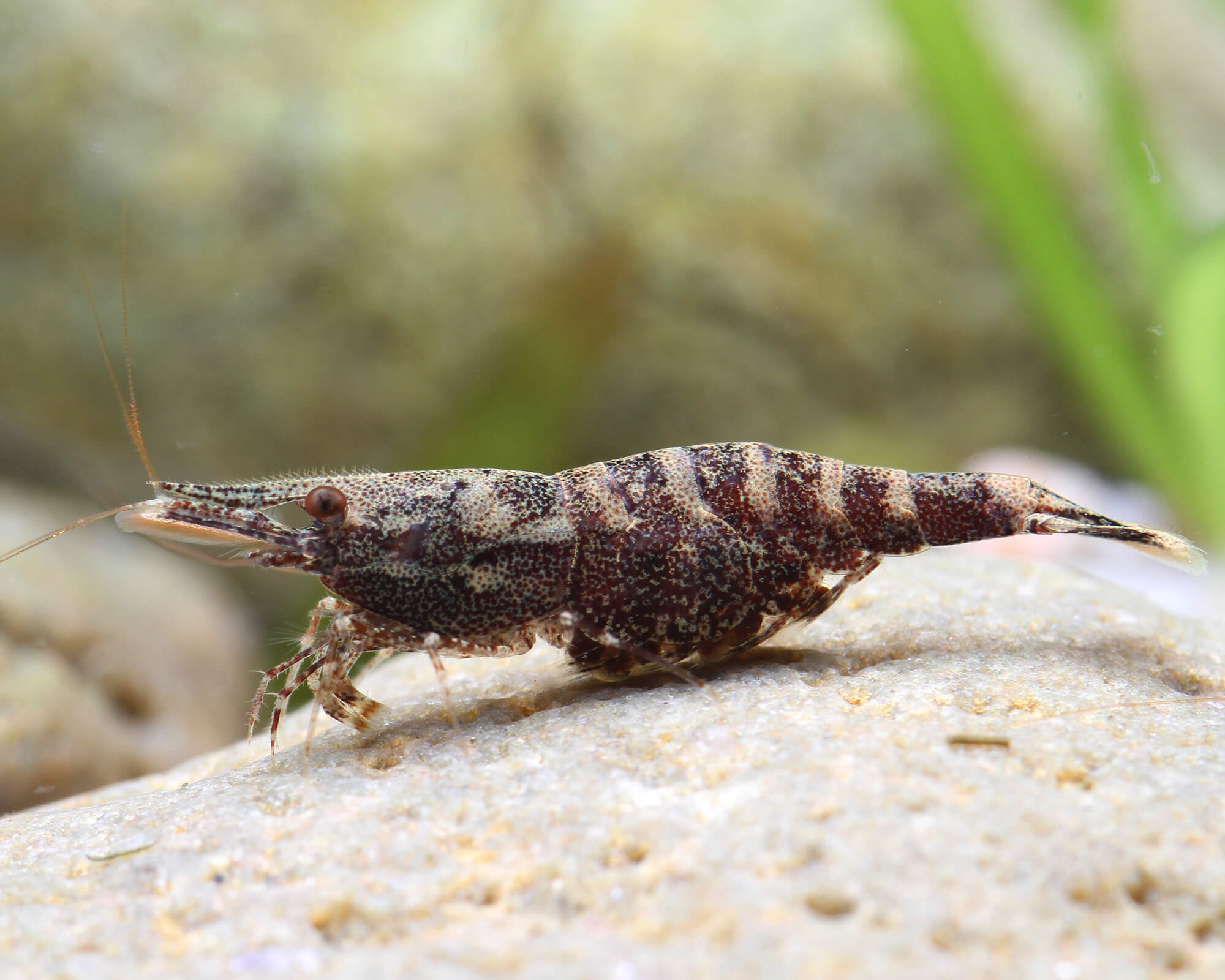
Tank Mates and Behavior
Due to their specialized needs and delicate nature, they are best kept in a species-only tank. If tank mates are desired, only very small, peaceful Sulawesi snails or other non-predatory invertebrates that share the same habitat requirements are appropriate. Avoid keeping them with active fish that might outcompete them for food or stress them.
Molting and Breeding
Molting is a critical stage for all shrimp. Stable water parameters are vital to ensure they can successfully shed their exoskeleton. If parameters fluctuate, molting issues often occur. Breeding is possible in captivity if the environment is stable, but they have a lower reproductive rate compared to common dwarf shrimp. They produce relatively large, well-developed young that do not go through a larval stage.

 - 1.webp)

 - 1.webp)






Leave your comments