It’s time to help contribute for biggest aquarium gallery online

SUBMIT HEREVIEW GALLERY

American Flagfish - Care Guide for Algae Eater

They’re visually stunning (both in color and body shape), peaceful, and easy to care for. This makes getting on a no-brainer for anyone looking to switching things up a bit! In this guide, we’ll cover everything you need to know about rope fish care. Info like tank mates, diet, lifespan, and size are all in here!

Overview

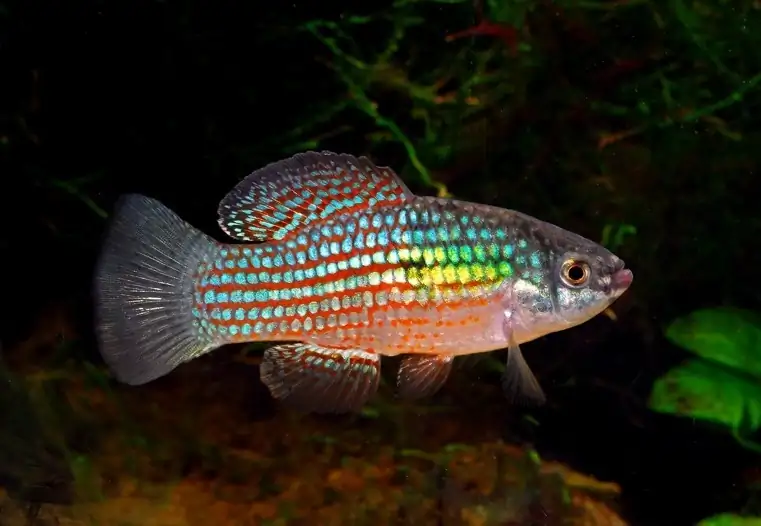
The American Flagfish is an undemanding Killifish that is highly sought after for its algae-managing services. If that is not reason enough to acquire this hardy and interesting New World Killifish, the unique marking and color pattern is sure to win you over. It is not difficult to see why this Killifish is named after the American flag. Alternating horizontal stripes of red and creamy green stretch across the body and iridescent scales sparkle like stars on the blue anterior of the American Flagfish. This wonderful piscine Star-Spangled Banner is sure to capture the imagination of hobbyists and onlookers alike.

The American Flagfish fish originates from still and slow-moving marshes, swamps, lakes, and ponds from Florida south to the Yucatan Peninsula. Provided with proper water quality, the American Flagfish can adapt to a variety of water conditions. The American Flagfish is a great addition to community aquariums, planted aquariums, cool-water aquariums, or even small outdoor ponds. The ideal aquarium environment for the American Flagfish should include driftwood, roots, and rocks for ample hiding places. Dense planting along the sides and rear of the aquarium and finish with a cover of floating plants. Be sure to leave an open swimming area in the center of the aquarium. To help bring out the best coloration in the American Flagfish, consider using dark substrate. The female American Flagfish is larger, more full bodied, and tends to be more yellow in coloration than the male. The dorsal fin of the male American Flagfish will tend to be more ornate and the body is more olive-green in coloration.

The American Flagfish will accept most live foods such as brine shrimp, white worms, tubifex, and some commercially prepared flake and frozen foods. If sufficient algae is not present in the aquarium, supplement the diet of the American Flagfish with prepared algae flake food or algae tablets.

Jordanella floridae is a 2- to 2.5-inch (5–6 cm) North American pupfish, or type of killifish. It is not an annual killifish, meaning that it lives longer than one year and does not need to be immediately bred to maintain the population. Its common name comes from the male’s unique coloration — rows of red and blue horizontal striping with a yellow shoulder patch — that looks like the stars and stripes of the United States flag. The female, on the other hand, is smaller, less colorful, and has a rounder abdomen when carrying eggs. Both sexes display a prominent black spot on the sides of their bodies, but females often have another small black dot on the back edge of the dorsal fin. Personality-wise, they are very active and constantly dart around looking for algae and other leftover crumbs to eat. Their mouths are perfectly shaped for ripping off hair algae, black beard algae, and other fuzzy types of algae.

How to make an aquarium for American Flagfish 

In the wild, they come from swampy Floridian marshes that are full of vegetation and consist of harder water or mildly brackish water. However, they are extremely hardy and can handle a wide range of parameters from pH of 6.5–8.5, soft to hard water, and 64–86°F (18–30°C). As a North America species, flagfish can thrive in unheated aquariums that have a tight-fitting lid to prevent escape. Some people put them in outdoor mini ponds during the summer to help eat algae and mosquito larvae.

Are flagfish schooling fish? Similar to dwarf cichlids, males can be quite territorial towards one another, whereas females tend to be more docile. Therefore, we recommend getting a ratio of one male for every two to three females. A pair of flagfish can live in a 20-gallon aquarium, but you should increase the tank size for each additional male so that they can each establish their own space.

Are flagfish safe with aquarium plants? To reduce fighting among the fish, we usually recommend getting lots of live aquatic plants to help block line of sight. However, in their eagerness to eat algae, flagfish can sometimes accidentally tear up more delicate plant leaves. We’ve had good luck putting them with tougher plants like java fern, fast-growing plants, and java moss for breeding purposes. Some hobbyists recommend keeping them well-fed to minimize any nibbling on leaves.

What fish can live with flagfish? Because of their feisty personalities, we recommend keeping them with other fast-swimming, boisterous tank mates that are similar in size. Zebra danios, corydoras catfish, loaches, and livebearers have all gotten along well with our flagfish. However, they are likely to predate on dwarf shrimp like cherry shrimp and ghost shrimp.

Diet & Feeding

Omnivorous. Will accept most meaty foods and also requires plenty of vegetable (particularly algae) content. 

American Flagfish predominantly graze on available algae in the aquarium. However, if the algae supply is insufficient, supplement their diet with high-quality dried foods such as flakes, pellets, or algae wafers, as well as live and frozen options such as brine shrimp, white worms, tubifex, daphnia, and bloodworms. Additionally, providing them with occasional treats of blanched vegetables like zucchini or spinach would be beneficial to their nutrition. A well-rounded diet is critical to promoting their overall health and vitality, and aquarists should take care to provide a balanced selection of foods to ensure their American Flagfish thrive in the aquarium.
Flagfish are not too difficult to breed and tend to spawn during the spring and summer seasons when the water is warmer. Mating behavior consists of nipping and chasing until the pair embrace and the female releases her eggs over the course of several days. Provide DIY spawning mops, java moss, and other dense foliage to serve as spawning sites and extra cover to hide the newborns.

Some biologists have reported that the male exhibits parental care by chasing away intruders from the spawning site, fanning the eggs to increase water flow and oxygenation, and eating any eggs that become infected with fungus. However, breeders often remove the eggs into a separate hatching bin to increase the yield and prevent predation. Depending on the water temperature, the eggs may hatch within a week or two. Once the newborns are free-swimming, feed them several small meals each day consisting of live vinegar eels and powdered fry food until they’re big enough to eat live baby brine shrimp and micro worms.

The Florida flagfish is such a gorgeous and useful species that everyone should try out at least once. If you’re looking for a whole team of different algae eaters to help you clean up your planted aquarium, read our article on the 10 Best Algae Eaters for Freshwater Aquariums.


Fish info

Care level: Easy
Temperament: Semi-aggressive
Adult size: 2½"
Life expectancy: 4 to 6 years
Fish type: Cyprinodontidae
Temperature : 66-72° F
pH: 6.7-8.2
Color Form: Blue, Green, Red
Leave your comments
Lastest on Fishs
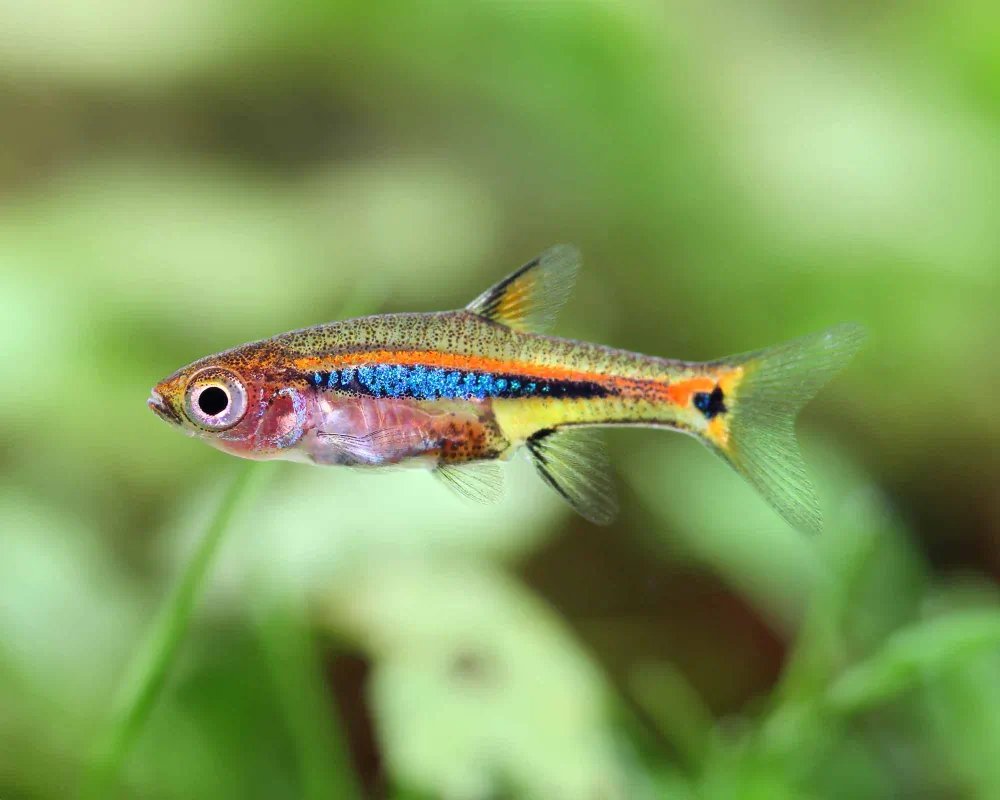
  • Boraras urophthalmoides (Tail Stripe Rasbora)

    Moderate
    Cyprinodontidae
    The Tail Stripe Rasbora (Boraras urophthalmoides) is a captivating, nano-sized cyprinid native to the blackwater swamps of Southeast Asia. Renowned for its striking lateral stripes and peaceful demeanor, this miniature jewel is highly popular among aquascapers looking to bring vibrant life and schooling behavior to heavily planted nano aquariums.
  • Hyphessobrycon amandae (Ember Tetra)

    Easy
    Cyprinodontidae
    The Ember Tetra (Hyphessobrycon amandae) is a stunning, vividly orange micro-fish native to the Araguaia River basin in Brazil. Known for its peaceful schooling nature and striking fiery coloration, this tiny tetra is a highly popular choice for planted nano aquariums and peaceful community setups.
  • Hyphessobrycon flammeus (Flame Tetra)

    Easy
    Cyprinodontidae
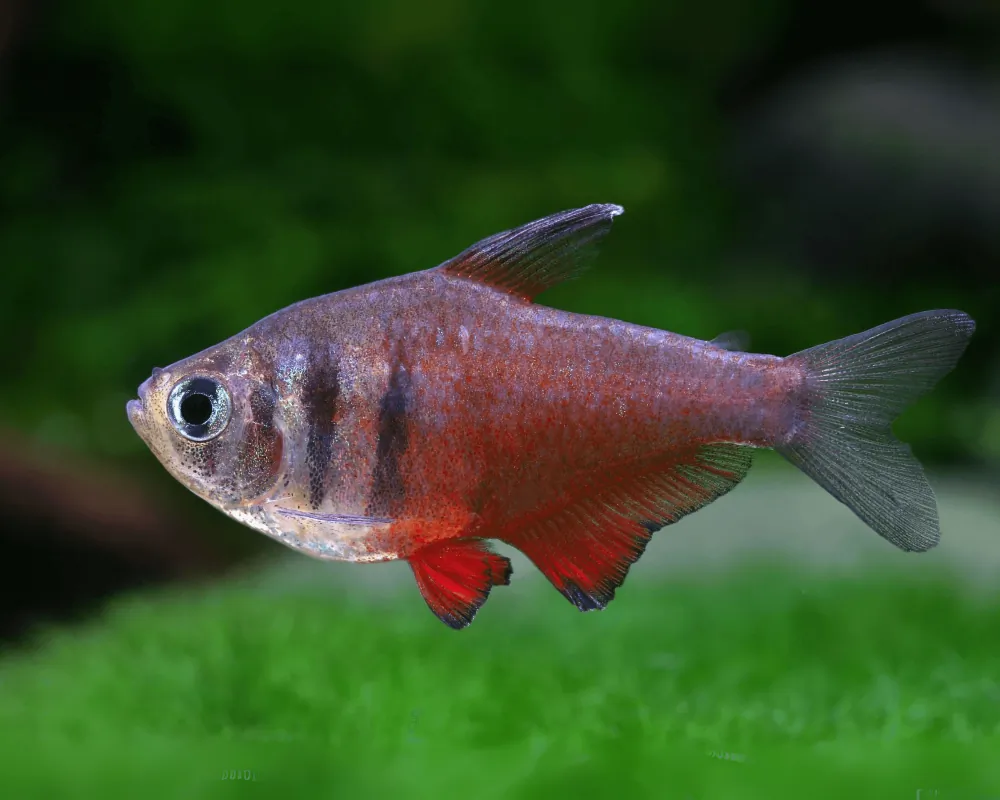
    The Flame Tetra, or Red of Rio, is a captivating freshwater fish originating from the coastal rivers of Brazil. Renowned for its fiery red posterior and peaceful nature, this hardy schooling fish is incredibly popular among both novice and experienced aquarists, bringing vibrant color and active movement to community aquariums.
  • Crossocheilus siamensis (Siamese Algae Eater)

    Easy - Moderate
    Cyprinodontidae
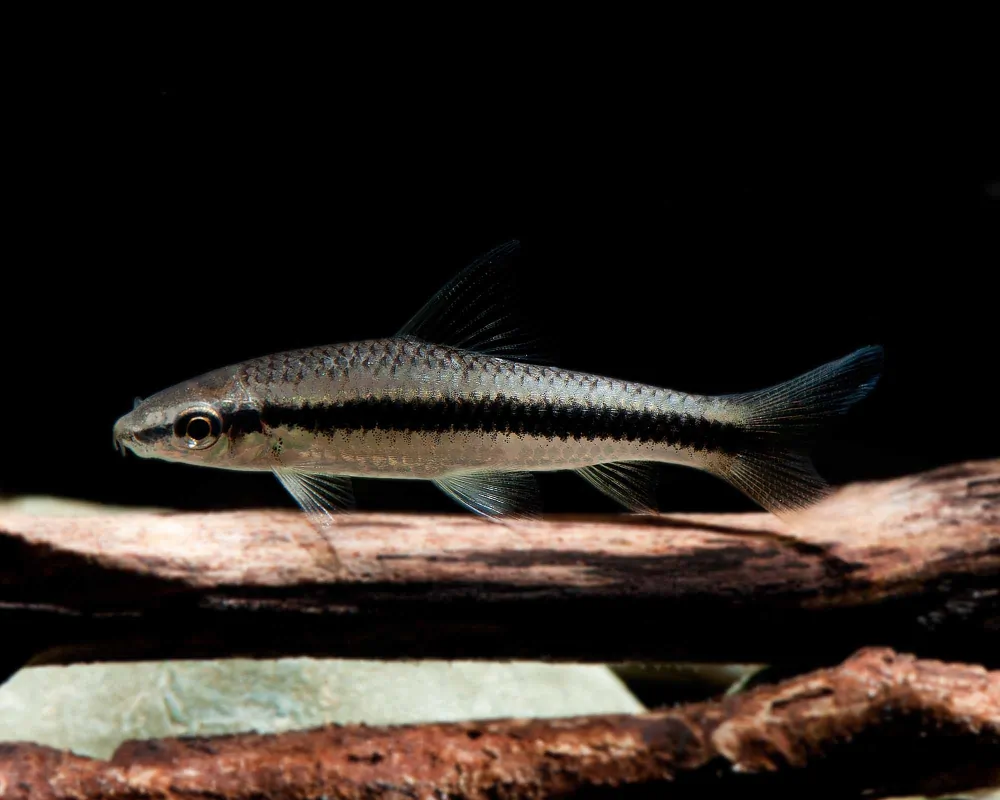
    The Siamese Algae Eater (Crossocheilus siamensis) is a highly sought-after freshwater fish renowned for its insatiable appetite for nuisance algae, including the dreaded black beard algae. Originating from Southeast Asia, this active and relatively peaceful cyprinid is a staple in planted aquariums, offering both utility and energetic charm.
  • Paracheirodon innesi (Neon Tetra)

    Easy
    Cyprinodontidae
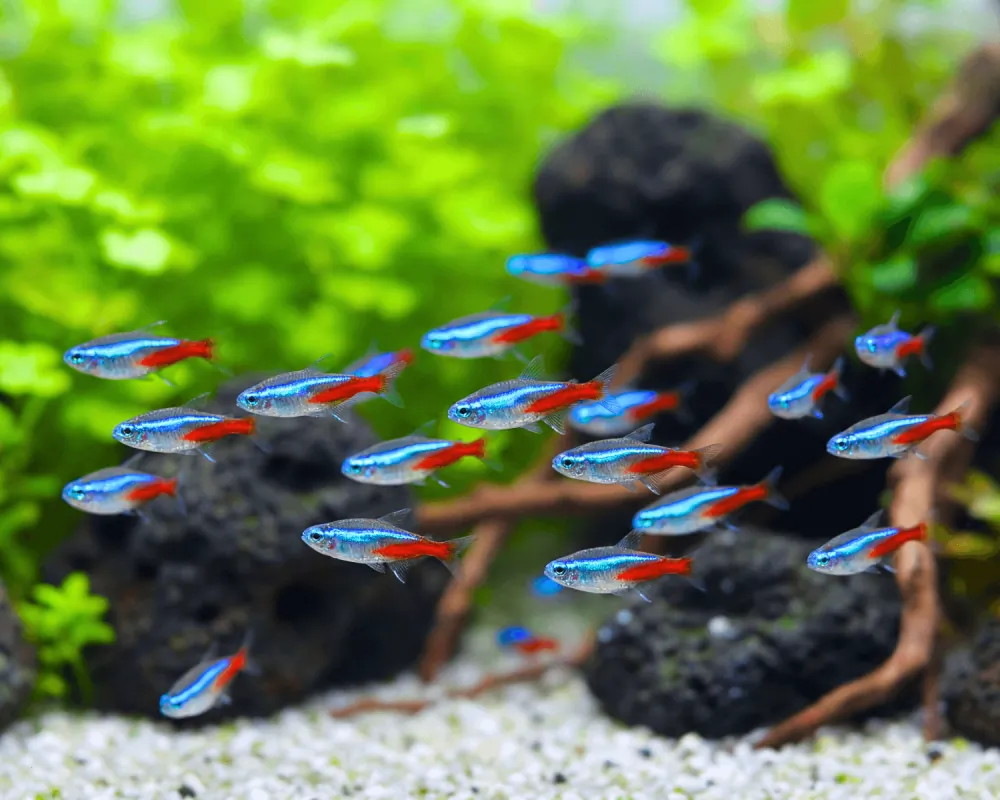
    Native to the blackwater streams of the Amazon basin, the Neon Tetra is a dazzling, peaceful schooling fish. Renowned for its vibrant blue and red stripes, it brings incredible life and color to freshwater aquariums, making it an enduring favorite among both beginner and experienced aquarists.
  • Hyphessobrycon herbertaxelrodi (Black Neon Tetra)

    Easy
    Cyprinodontidae
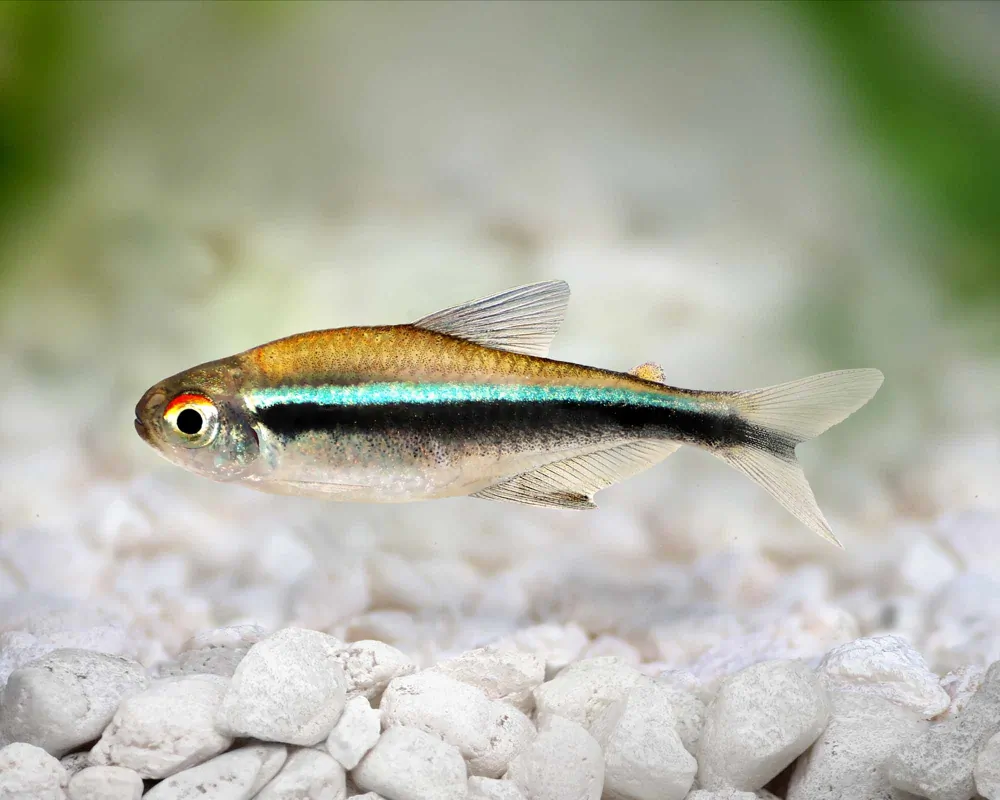
    The Black Neon Tetra is a captivating and hardy schooling fish native to the Paraguay basin in Brazil. Known for its striking black and iridescent greenish-white lateral stripes, this peaceful species is highly popular among aquarists for adding dynamic contrast and lively movement to planted community aquariums.
  • Hemigrammus erythrozonus (Glowlight Tetra)

    Easy
    Cyprinodontidae
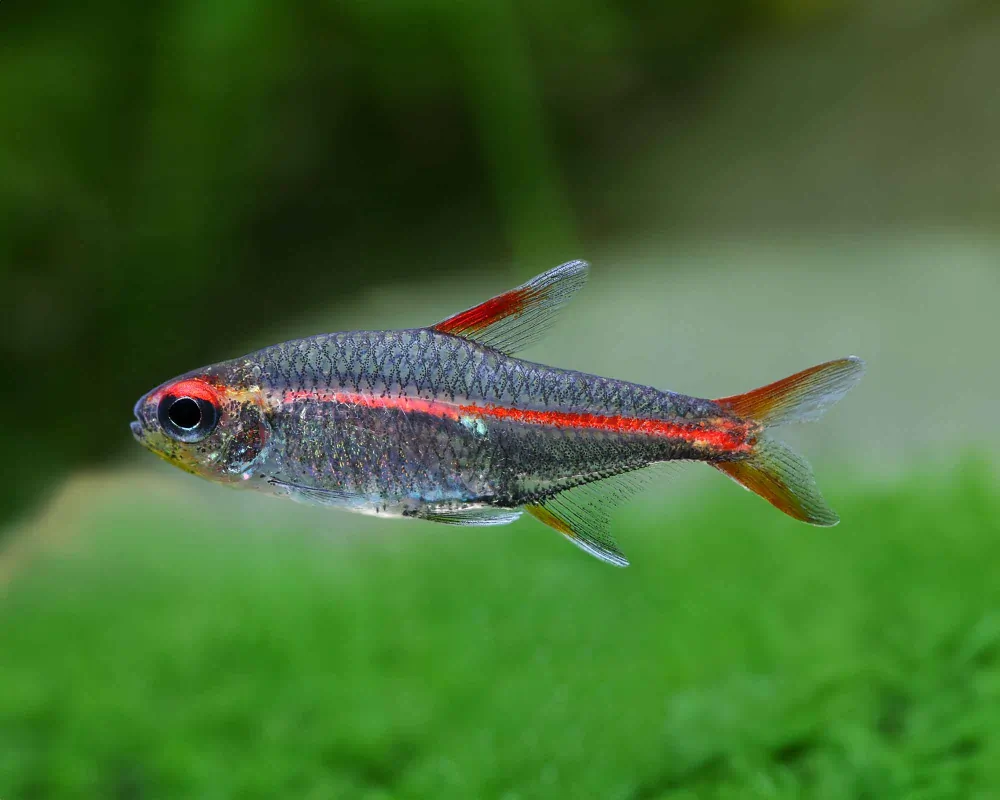
    The Glowlight Tetra (Hemigrammus erythrozonus) is a vibrant, peaceful schooling fish native to the Essequibo River in Guyana. Known for the striking iridescent red-orange stripe running along its translucent body, this hardy species is highly popular among aquarists of all levels for adding a luminous touch to community tanks.
  • Trigonostigma espei (Lambchop Rasbora)

    Easy
    Cyprinodontidae
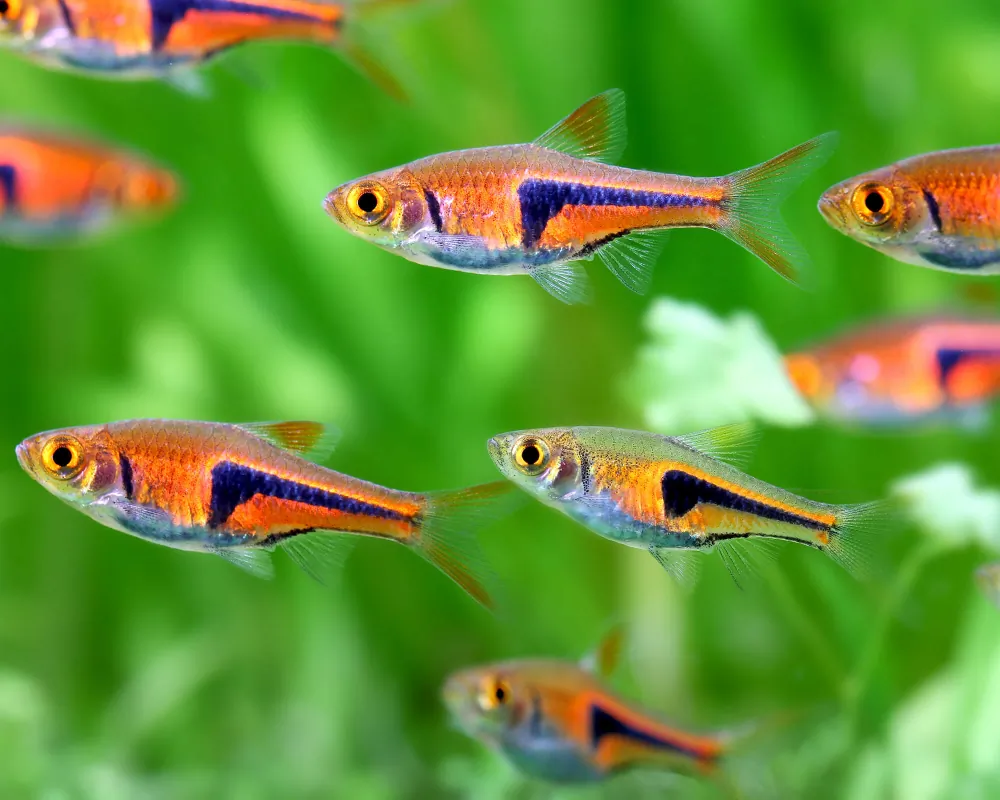
    The Lambchop Rasbora, scientifically known as Trigonostigma espei, is a captivating and peaceful schooling fish. Renowned for its brilliant copper-orange hues and distinctive black "lambchop" marking, this active cyprinid has become a favorite among aquascapers and nano-aquarium enthusiasts seeking a vibrant addition to their planted community tanks.
  • Boraras maculatus (Dwarf Rasbora)

    Moderate
    Cyprinodontidae
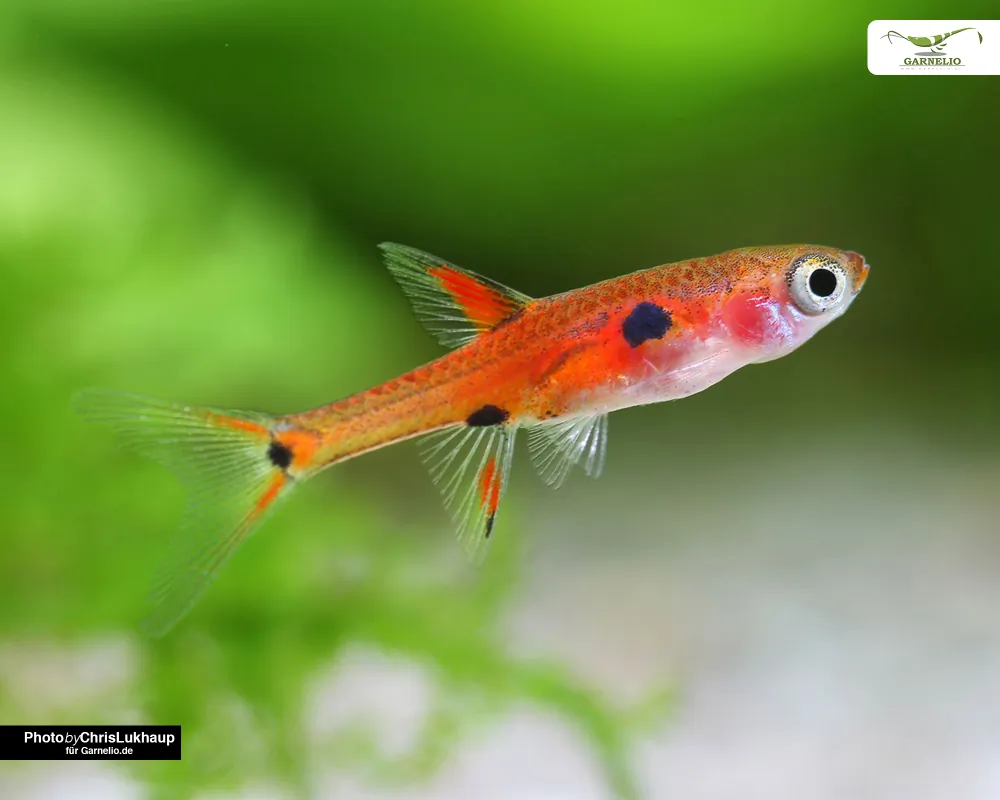
    Hailing from the slow-moving, blackwater streams of Southeast Asia, the Dwarf Rasbora (Boraras maculatus) is a captivating micro-fish. Renowned for its vibrant red-orange hue and striking black spots, this peaceful, schooling species is incredibly popular among aquascapers and nano-tank enthusiasts seeking active, colorful additions to their planted aquariums.
  • Betta splendens (Yellow Dragon Halfmoon Betta)

    Easy - Moderate
    Cyprinodontidae
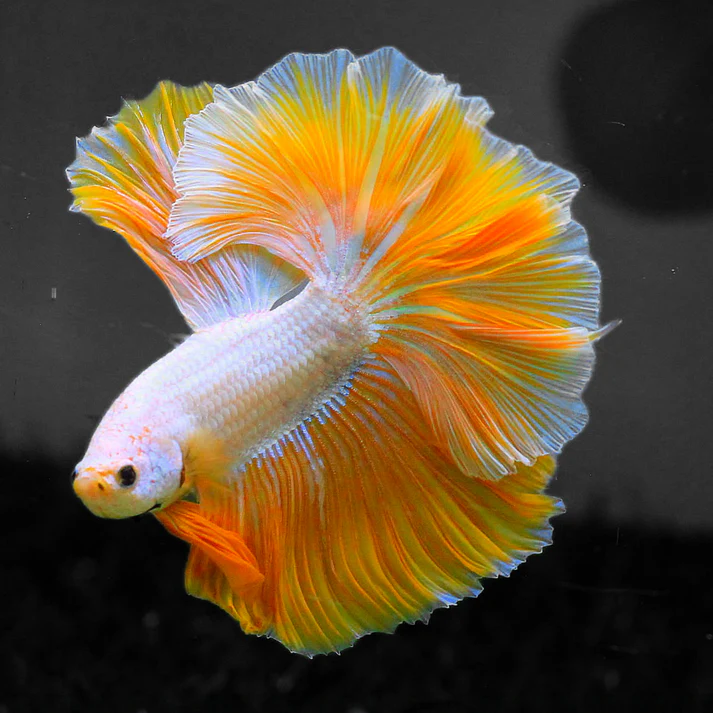
    The Yellow Dragon Halfmoon Betta is a breathtaking freshwater fish celebrated for its striking contrast. Featuring thick, armor-like white dragon scales across its body and vibrant, sweeping yellow halfmoon fins, this labyrinth fish is a prized centerpiece. Its captivating beauty and bold personality make it a favorite among dedicated aquarists.
  • Betta splendens (Purple Gold Betta Male)

    Easy - Moderate
    Cyprinodontidae
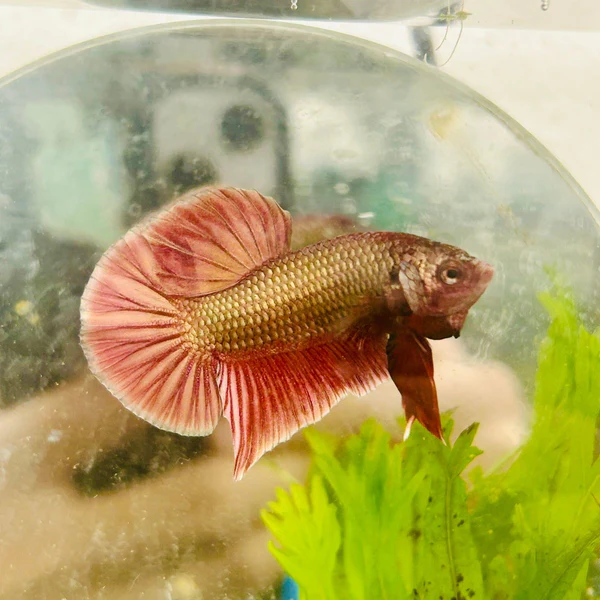
    The Purple Gold Betta Male is a stunning variant of Betta splendens, prized for its breathtaking metallic gold body and rich purple-hued fins. Originally from the shallow waters of Southeast Asia, this labyrinth fish is highly sought after by aquarists for its vibrant colors, bold personality, and captivating territorial displays.
  • Betta splendens (Platinum Crowntail Betta)

    Easy - Moderate
    Cyprinodontidae
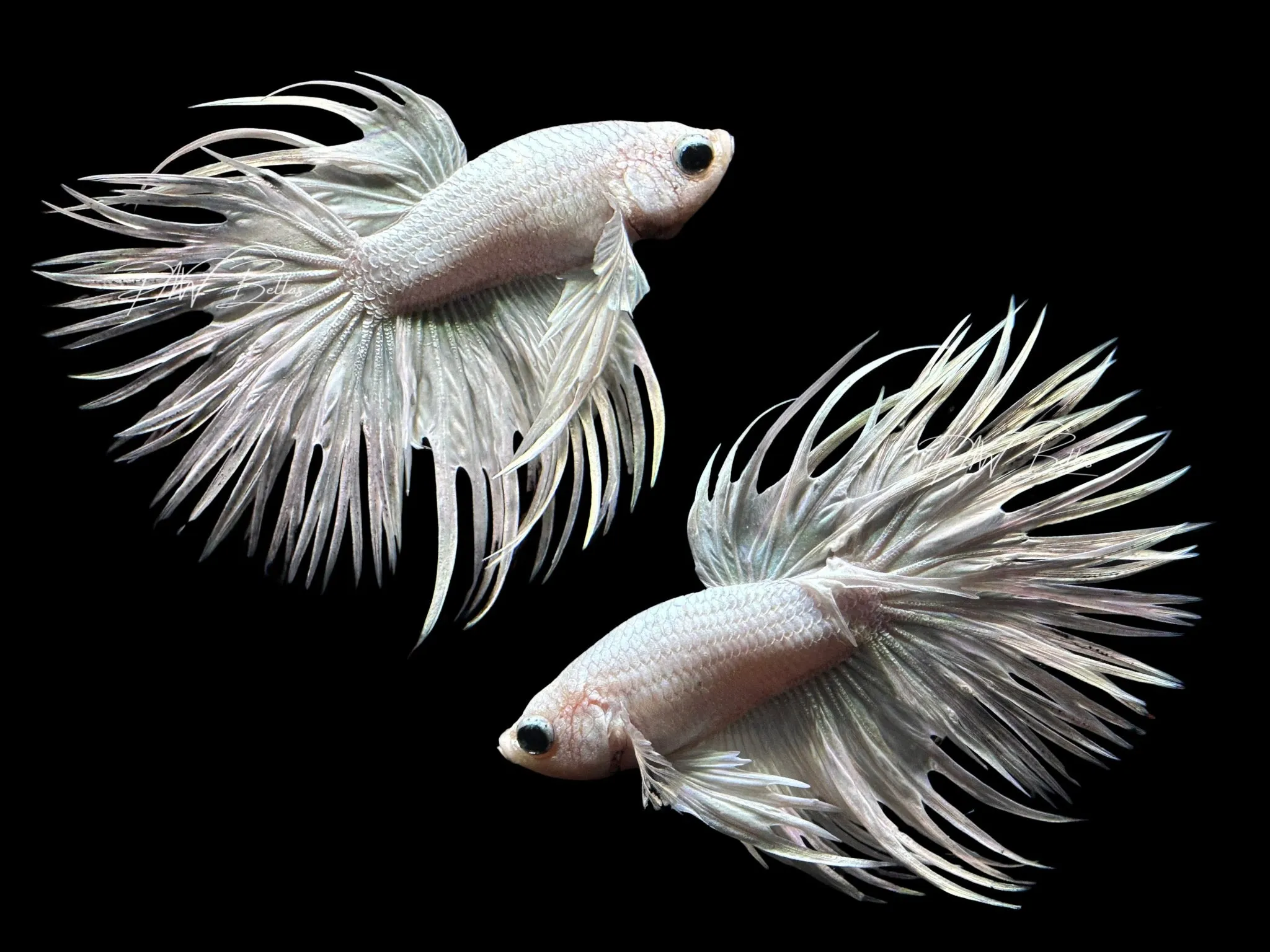
    The Platinum Crowntail Betta is a breathtaking freshwater fish celebrated for its pure, iridescent white coloration and dramatic, spike-like fin rays. Originating from Southeast Asia, these labyrinth fish are highly territorial but incredibly popular among aquarists for their striking, crown-like appearance and interactive personalities.
  • Betta splendens (Orange Crowntail Betta Male)

    Easy - Moderate
    Cyprinodontidae
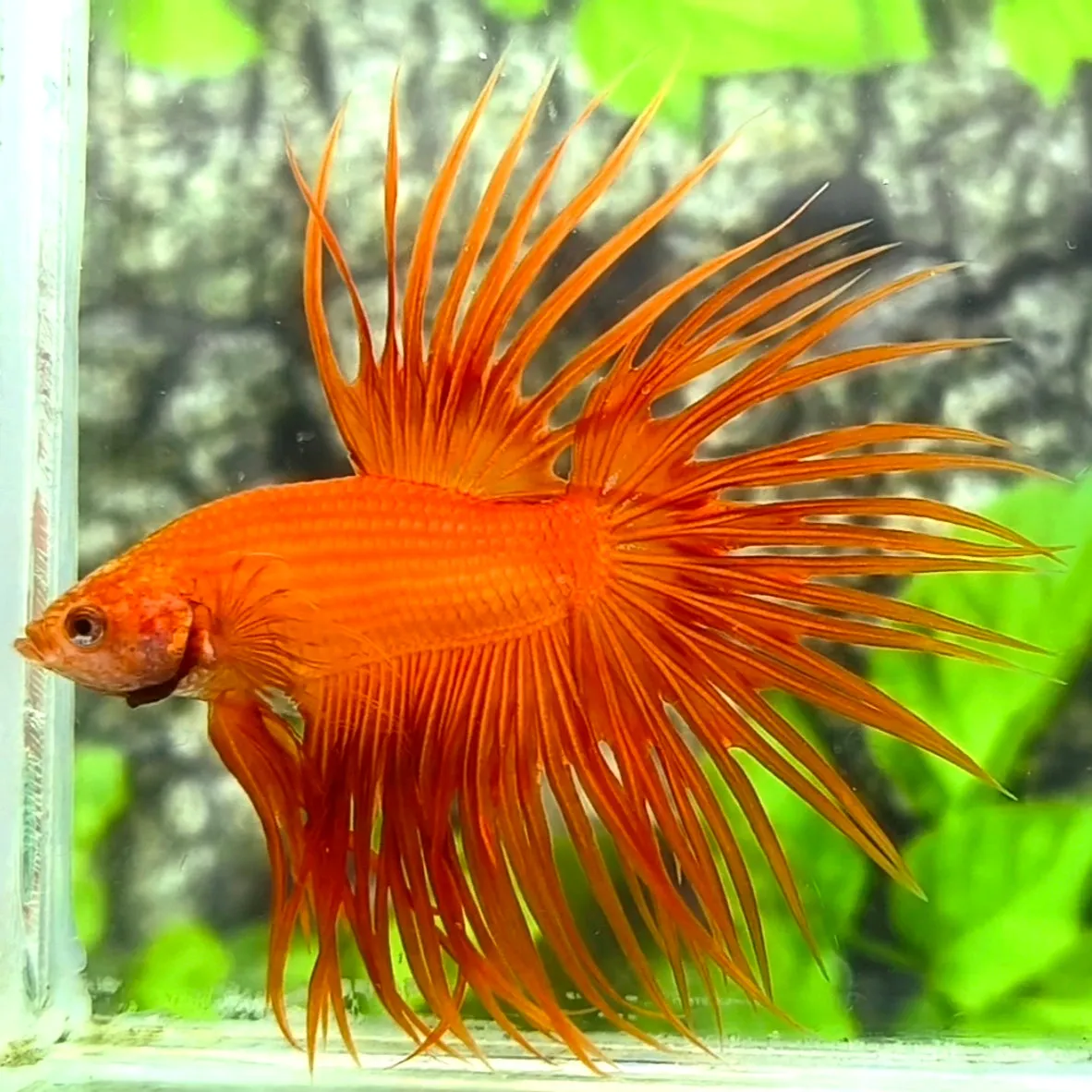
    The Orange Crowntail Betta is a striking variant of the beloved Betta splendens, renowned for its dramatic, spiky finnage and vibrant orange coloration. Originating from Southeast Asia, these labyrinth fish are highly popular among aquarists for their bold personalities, captivating displays, and relative ease of care in small setups.
  • Betta splendens (Orange Betta Male)

    Easy
    Cyprinodontidae
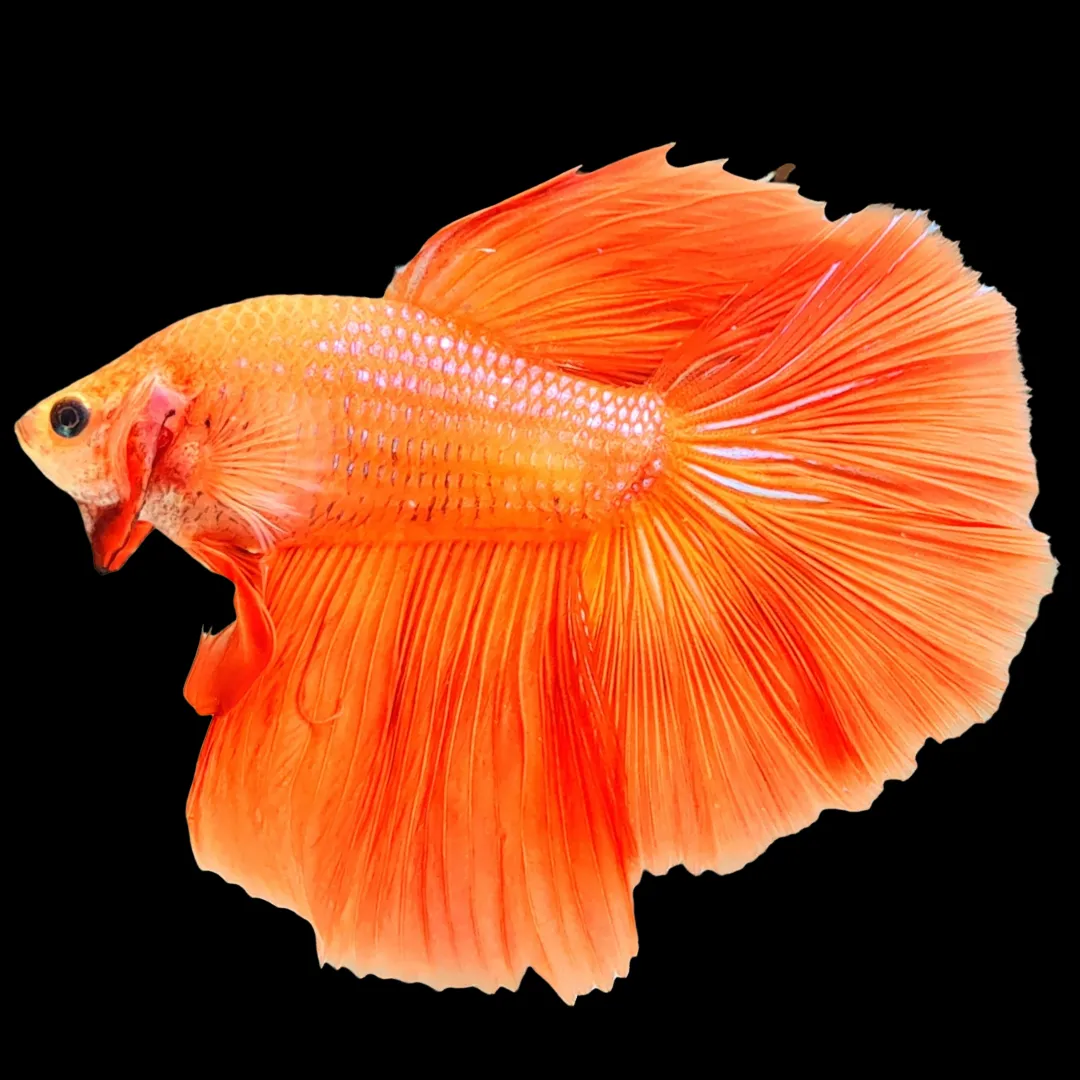
    The Orange Betta Male is a striking variation of the popular Betta splendens. Originating from the shallow, slow-moving waters of Southeast Asia, these labyrinth fish are celebrated for their vibrant, fiery coloration and flowing fins. While highly territorial, their captivating beauty makes them a stunning centerpiece for solitary aquariums.
  • Betta splendens (Halfmoon Copper Betta Male)

    Easy - Moderate
    Cyprinodontidae
    Originating from the shallow waters of Southeast Asia, the Halfmoon Copper Betta is a breathtaking centerpiece for any aquarium. Renowned for its stunning 180-degree tail spread and striking metallic copper scales, this highly popular, intelligent labyrinth fish brings vibrant energy, interactive behavior, and unparalleled beauty to the home hobbyist.
  • Betta splendens (Blood Orange Halfmoon Betta Male)

    Easy - Moderate
    Cyprinodontidae
    The Blood Orange Halfmoon Betta Male, a stunning variant of Betta splendens, captivates aquarists with its vibrant red-orange hues and magnificent 180-degree caudal fin spread. Hailing from the slow-moving waters of Southeast Asia, these labyrinth fish are renowned for their solitary yet engaging personalities and territorial nature, making them a centerpiece in any dedicated aquarium.