AquaLibs presents AquaRank Discover the world’s leading aquascapers

Explore transparent rankings built from published results across the world’s leading aquascaping contests.

Final Call: Only One Day Left to Enter CIAC 2026

Final Call: Only One Day Left to Enter CIAC 2026

The clock is ticking for aquascapers around the world. Registration for the CIPS International Aquascaping Contest 2026 — CIAC 2026 officially closes on September 15, 2026. With only one day remaining, this is the final opportunity to submit your aq...
12 Beginner-Friendly Aquarium Plants and Their Best Tank Mates

12 Beginner-Friendly Aquarium Plants and Their Best Tank Mates

Starting a planted aquarium is one of the most rewarding ways to enter the hobby. For beginners, the secret to success lies in choosing hardy, low-maintenance flora that can withstand varying water parameters while providing essential cover for your ...
12 Colorful Freshwater Fish and Shrimp for a Thriving Planted Community

12 Colorful Freshwater Fish and Shrimp for a Thriving Planted Community

Creating a vibrant planted aquarium is a rewarding journey that combines lush greenery with active, colorful life. While many hobbyists focus solely on plants, selecting the right inhabitants is crucial for a healthy ecosystem. The best livestock for...
10 Must-Have Aquarium Snails for a Clean and Vibrant Planted Tank

10 Must-Have Aquarium Snails for a Clean and Vibrant Planted Tank

Aquarium snails are more than just tank cleaners; they are fascinating, colorful, and essential contributors to a healthy planted ecosystem. Whether you are looking to manage algae, aerate your substrate, or simply add unique movement to your aquariu...
Summer Flowers - Cliff Hui / HongKong China
Cliff Hui

Summer Flowers - Cliff Hui / HongKong China

The International Aquatic Plants Layout Contest - 2014
Rain Forest (Hear the Angels) - Cliff Hui / HongKong China
Cliff Hui

Rain Forest (Hear the Angels) - Cliff Hui / HongKong China

The International Aquatic Plants Layout Contest - 2012
Forever - Cliff Hui / HongKong China
Cliff Hui

Forever - Cliff Hui / HongKong China

The International Aquatic Plants Layout Contest - 2013

Aquarium Library

  • All
  • Plant
  • Fish
  • Shrimp
  • Snail

Final Call: Only One Day Left to Enter CIAC 2026

The clock is ticking for aquascapers around the world. Registration for the CIPS International Aquas...

Introducing AquaRank: A Transparent World Ranking for Aquascapers

Aquascaping has grown into a truly international art form. Every year, thousands of aquascapers subm...

13 Easy Aquarium Plants for a Thriving Beginner Planted Tank

Starting a planted aquarium can seem daunting, but it doesn't have to be! Many beautiful and be...

12 Colorful & Compatible Freshwater Fish for Your Community Aquarium

Creating a vibrant and harmonious freshwater aquarium is a rewarding experience. The key lies in sel...

"REFLECTION" - When the weight becomes silence: Decoding the top 4 MASTERPIECE at KIAC 2025

Amidst the "earthquake" named Vietnam at KIAC 2025, the work "Reflection" by Aquascaper Long Tran Ho...

KIAC 2025 RESULTS: A record-breaking season - Vietnam dominates with 14 works in the global top 50

The organizers of the Korea International Aquascaping Contest (KIAC) 2025 have officially released t...
Cliff Hui

Cliff Hui

Hong Kong / China
Dave Chow

Dave Chow

HongKong China
Neocaridina davidi (Bloody Mary Shrimp)

Overview

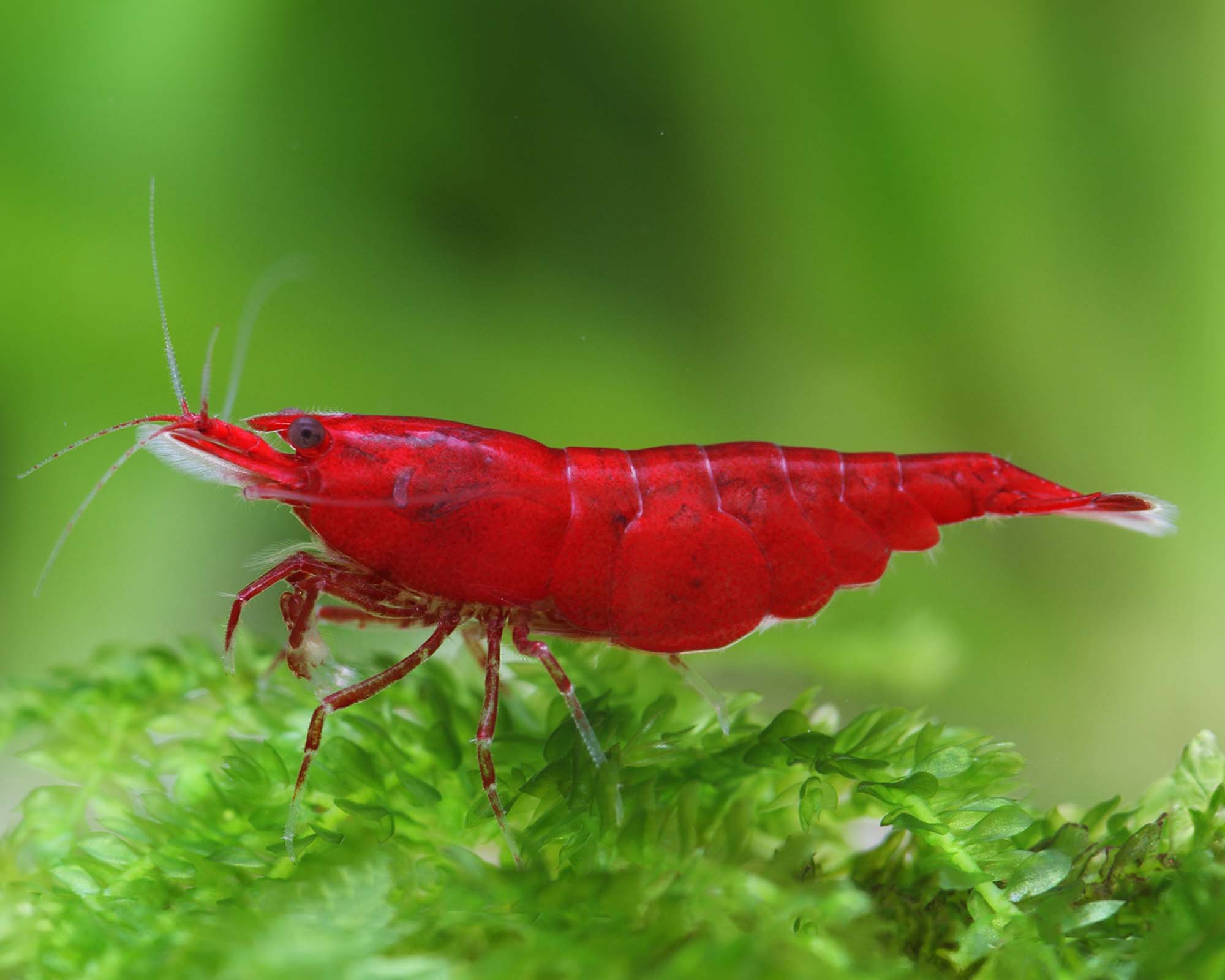
The Bloody Mary Shrimp, a stunning variant of the Neocaridina davidi species, is renowned for its incredibly deep, opaque red coloration. Unlike some other red Neocaridina strains where the color is primarily on the shell, the Bloody Mary's red pigment is concentrated in the tissue itself, giving it a rich, almost glowing appearance. This vibrant hue makes them stand out beautifully against green aquarium plants and dark substrates, adding a dynamic splash of color to any freshwater tank. They are peaceful, active scavengers that contribute to the tank's ecosystem by grazing on algae and biofilm. Image of bloody mary shrimp neocaridina davidi

Distribution and Habitat

While the wild form of Neocaridina davidi originates from streams and ponds in Taiwan and parts of mainland China, the Bloody Mary Shrimp is a product of selective breeding. It was developed in Taiwan through careful genetic selection, likely from a chocolate or dark red lineage, to achieve its distinctive deep red color. Therefore, its 'natural' habitat is the controlled environment of a breeder's tank, though it thrives in conditions mimicking its wild ancestors' clean, stable freshwater environments.

Description of Bloody Mary Shrimp

The Bloody Mary Shrimp typically reaches a size of 2.5 to 3.5 centimeters (1 to 1.4 inches) when fully grown, with females generally being larger and more robust than males. Their most striking feature is their intense, uniform red coloration that covers their entire body, including their legs and antennae, often appearing more opaque and less translucent than other red shrimp varieties like Cherry Shrimp. Females often display a prominent 'saddle' (unfertilized eggs developing in the ovaries) behind their head and, when gravid, carry bright red or brown eggs under their tail. Males are usually smaller, slimmer, and have a slightly less intense coloration. Image of bloody mary shrimp neocaridina davidi

Keeping and Caring for Bloody Mary Shrimp

Bloody Mary Shrimp are relatively hardy and adaptable, making them an excellent choice for beginners. They prefer stable water conditions and a well-established aquarium.

Tank size:

A minimum of a 5-gallon (approximately 19 liters) aquarium is recommended for a small colony of Bloody Mary Shrimp. Larger tanks are always better as they offer more stability in water parameters.

Water Parameters:

Consistency in water parameters is key for the health and longevity of these shrimp.

Temperature

Bloody Mary Shrimp thrive in temperatures between 20-26°C (68-79°F). While they can tolerate a slightly wider range, stability within this range is preferred.

pH

A pH range of 6.5-7.5 is ideal. They can adapt to slightly acidic or alkaline conditions, but extreme pH levels should be avoided.

Hardness

They prefer moderately hard water. A General Hardness (GH) of 6-10 dGH and a Carbonate Hardness (KH) of 2-8 dKH are generally suitable. These parameters help with proper molting and shell development.

Ammonia, Nitrite, Nitrate

Like all aquatic invertebrates, Bloody Mary Shrimp are highly sensitive to ammonia and nitrite. Levels of both should always be 0 ppm. Nitrates should be kept as low as possible, ideally below 20 ppm, through regular water changes.

Lighting

Lighting is not critical for the shrimp themselves, but it is important for any live plants in the aquarium, which in turn provide food sources (algae, biofilm) and hiding spots for the shrimp.

Water flow

Gentle water flow is preferred. Strong currents can stress the shrimp. A sponge filter is an excellent choice as it provides mechanical and biological filtration without posing a risk to shrimplets.

Decorations and Plants

Provide plenty of hiding spots and surfaces for grazing. Live plants such as Java Moss, Anubias, and Bucephalandra are excellent choices. Driftwood, rocks, and ceramic shrimp caves also offer shelter and encourage biofilm growth. A dark substrate can help enhance their vibrant red coloration. Image of bloody mary shrimp neocaridina davidi

Adding the Bloody Mary Shrimp

When introducing Bloody Mary Shrimp to a new tank, it's crucial to acclimate them slowly to prevent shock. A drip acclimation method, where tank water is slowly dripped into the bag or container holding the shrimp over 1-2 hours, is highly recommended. This minimizes stress from sudden changes in water parameters.

Some Feeding Tips

Bloody Mary Shrimp are primarily scavengers and will graze on algae, biofilm, and detritus in the tank. Supplement their diet with high-quality shrimp pellets, blanched vegetables (like zucchini or spinach), and occasional protein-rich foods. Avoid overfeeding, as uneaten food can foul the water. Feed small amounts once a day or every other day, only what they can consume within a few hours.

Dangers of Bloody Mary Shrimp in the Planted Aquarium

There are virtually no dangers associated with keeping Bloody Mary Shrimp in a planted aquarium. They are peaceful, do not eat healthy plant matter, and actively help clean the tank by consuming algae and decaying organic material. They are beneficial members of a planted tank ecosystem.

Tank mates & Compatibility

Bloody Mary Shrimp are incredibly peaceful and should only be housed with other non-aggressive, small, and peaceful tank mates. Ideal companions include other Neocaridina shrimp (be aware of potential cross-breeding if you want to maintain pure lines), small snails (Nerite, Mystery, Ramshorn), and very small, peaceful fish like Otocinclus catfish, Dwarf Rasboras, or small Endler's Livebearers. Avoid any fish large enough to fit a shrimplet in its mouth, as even seemingly peaceful fish can prey on baby shrimp.

Breeding Bloody Mary Shrimp

Breeding Bloody Mary Shrimp is straightforward, provided stable water conditions and a healthy environment. Females will display a 'saddle' of eggs behind their head, which indicates they are ready to breed. After mating, the eggs move to the swimmerets under her tail, where she carries and fans them for about 28-30 days until they hatch. The shrimplets emerge as miniature versions of the adults and require no special care, feeding on biofilm and micro-organisms in the tank. A well-planted tank with plenty of hiding spots will ensure a higher survival rate for the young. Image of bloody mary shrimp neocaridina davidi

Conclusion

The Bloody Mary Shrimp is a fantastic addition to almost any freshwater aquarium. Its stunning, deep red color provides an incredible visual contrast, while its easy care requirements and peaceful nature make it suitable for aquarists of all experience levels. Whether you're looking to add a splash of color, control algae, or simply enjoy the fascinating behavior of these tiny crustaceans, the Bloody Mary Shrimp is an excellent choice that will thrive and breed readily in a well-maintained environment.

Shrimp info

  • Size: 2.5-3.5 cm
  • Difficulty level: Beginner
  • Temperature : 20-26°C
  • pH: 6.5-7.5
  • Color Form: Red
Leave your comments
Latest on Shrimps
  • Sulawesi Mantano Tiger Shrimp

    Sulawesi Mantano Tiger Shrimp

    The Sulawesi Mantano Tiger shrimp, scientifically identified as Caridina holthuisi, is a specialized freshwater crustacean endemic to Lake Mantano in Indonesia. Known for its striking striped patterns and complex environmental requirements, this species is highly sought after by experienced hobbyists. Success with these delicate shrimp relies heavily on replicating their unique, mineral-rich, and warm alkaline lake habitat conditions.
  • Caridina striata: The Sulawesi Mantano Red Line Shrimp

    Caridina striata: The Sulawesi Mantano Red Line Shrimp

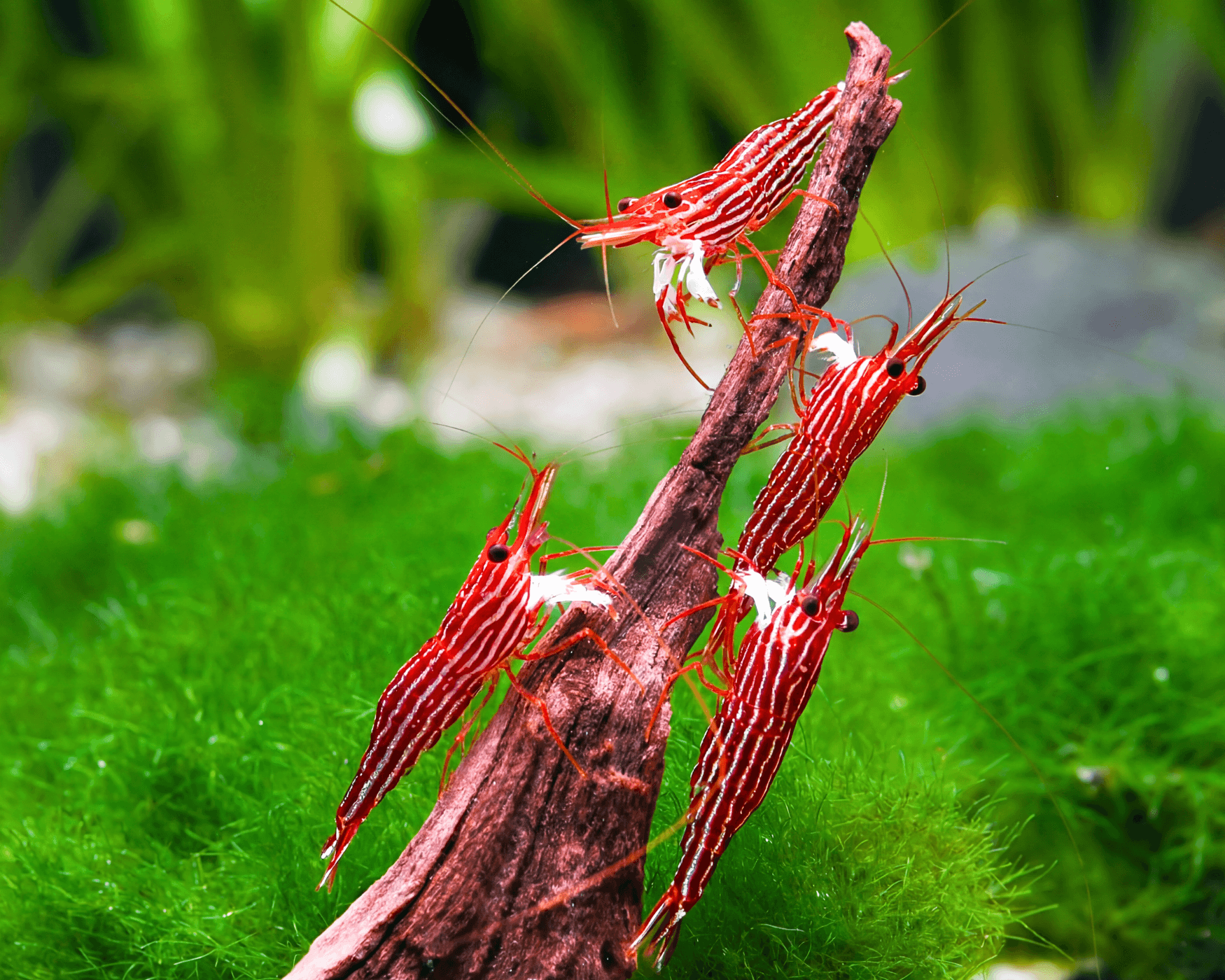
    The Caridina striata, commonly known as the Sulawesi Mantano red line shrimp, is a striking freshwater crustacean native to the ancient Lake Matano in Indonesia. Renowned for its vivid red body adorned with distinct horizontal white stripes, this species requires specialized care. It is a highly sought-after invertebrate for advanced hobbyists interested in the unique conditions of Sulawesi lake ecosystems.
  • Sulawesi Cardinal Shrimp (Caridina dennerli)

    Sulawesi Cardinal Shrimp (Caridina dennerli)

    The Cardinal Shrimp, scientifically known as Caridina dennerli, is a striking freshwater crustacean native to the ancient Lake Matano in Sulawesi, Indonesia. Renowned for its deep red coloration and distinct white spots, this species requires specialized care due to its preference for very specific, stable water parameters found in its unique natural habitat within the Malili lake system.
  • Sulawesi Malili Red Shrimp

    Sulawesi Malili Red Shrimp

    The Sulawesi Malili red shrimp, often associated with Lake Towuti, is a striking freshwater crustacean prized for its vivid red and white striped pattern. These shrimp are native to the unique, ancient lake systems of Sulawesi, Indonesia. Due to their specific environmental requirements, they are considered a challenging species suitable only for experienced aquarium keepers.
  • Sulawesi Blue Dot Red Line Shrimp

    Sulawesi Blue Dot Red Line Shrimp

    The Sulawesi Blue Dot Red Line shrimp is a visually striking freshwater crustacean originating from the ancient lake systems of Sulawesi, Indonesia. Known for its distinct spotted pattern and vibrant coloration, this shrimp requires specialized care and stable water conditions. Due to its delicate nature, it is recommended only for experienced hobbyists capable of maintaining precise environmental requirements.
  • Sulawesi Blossom Red Shrimp (Caridina sp.)

    Sulawesi Blossom Red Shrimp (Caridina sp.)

    The Sulawesi Blossom Red shrimp is a striking, specialized freshwater crustacean native to the ancient Lake Towuti system in Indonesia. Renowned for its deep red coloration and distinct patterns, this shrimp thrives in unique, stable, and warm alkaline waters. Due to their specific environmental requirements, they are considered a challenging species for experienced aquarium keepers only.
  • Neocaridina Shrimp Care Guide

    Neocaridina Shrimp Care Guide

    Neocaridina shrimp are popular freshwater invertebrates known for their hardiness and vibrant colors. Originally from Taiwan and parts of China, these adaptable crustaceans thrive in well-maintained planted aquariums. They are ideal for beginners due to their undemanding nature regarding water parameters, though they require stable environments to remain healthy, breed successfully, and complete their essential molting process regularly.
  • Caridina woltereckae: The Sulawesi Towuti Beauty

    Caridina woltereckae: The Sulawesi Towuti Beauty

    The Towuti Beauty shrimp, scientifically known as Caridina woltereckae, is a striking freshwater crustacean native to the ancient Lake Towuti in Sulawesi, Indonesia. Renowned for its bold red and white banded pattern, this species is highly sought after by experienced hobbyists. Due to their specific environmental requirements, they are considered a challenging species that demands stable, specialized water conditions to thrive.
  • Neocaridina Shrimp: A Guide to Colorful Freshwater Invertebrates

    Neocaridina Shrimp: A Guide to Colorful Freshwater Invertebrates

    Neocaridina davidi is a highly popular freshwater shrimp species valued for its vibrant color morphs and ease of care. Native to East Asia, these hardy invertebrates are excellent additions to community tanks. They play a vital role in cleaning algae and detritus, making them both beautiful and functional inhabitants for hobbyists of all experience levels.
  • Red Cherry Shrimp (Neocaridina davidi)

    Red Cherry Shrimp (Neocaridina davidi)

    The Red Cherry Shrimp is a popular and hardy freshwater crustacean, ideal for both beginners and experienced aquarists. Known for its vibrant coloration and active foraging behavior, this species thrives in well-planted community tanks. Their peaceful nature and ease of breeding make them a staple in the hobby, provided their basic environmental needs are consistently met.
  • Red Cherry Shrimp Care Guide

    Red Cherry Shrimp Care Guide

    The Red Cherry shrimp is a highly popular freshwater crustacean known for its vibrant coloration and ease of care. Native to various freshwater habitats in Taiwan, these resilient scavengers are ideal for community aquariums. Their active nature and beneficial role in cleaning algae make them a favorite choice for both beginners and experienced aquarists looking to populate a nano tank.
  • Orange Fire Shrimp Care Guide

    Orange Fire Shrimp Care Guide

    The Orange Fire Shrimp is a vibrant, selectively bred color variant of the popular Neocaridina davidi species. Renowned for their striking pumpkin-orange coloration, these hardy freshwater crustaceans are an excellent choice for beginners. They are peaceful scavengers that thrive in planted aquariums, where they contribute to a healthy ecosystem while adding a bright, active focal point to your tank.
  • Neocaridina davidi Rainbow Mix

    Neocaridina davidi Rainbow Mix

    The Neocaridina davidi Rainbow Mix is a vibrant collection of selectively bred freshwater dwarf shrimp. These hardy invertebrates are popular in the hobby due to their adaptability and diverse color range. Ideal for planted nano aquariums, they provide excellent cleanup services while adding constant movement and striking color to a community tank setup.
  • Neocaridina davidi Mix

    Neocaridina davidi Mix

    The Neocaridina davidi mix, often referred to as algae shrimp, represents a diverse collection of color morphs derived from the wild-type Neocaridina davidi. These freshwater crustaceans are highly popular in the hobby due to their adaptability, active behavior, and effectiveness as clean-up crews in planted aquariums. They are an excellent choice for both beginners and experienced keepers.
  • Yellow Fire Shrimp: Care and Characteristics

    Yellow Fire Shrimp: Care and Characteristics

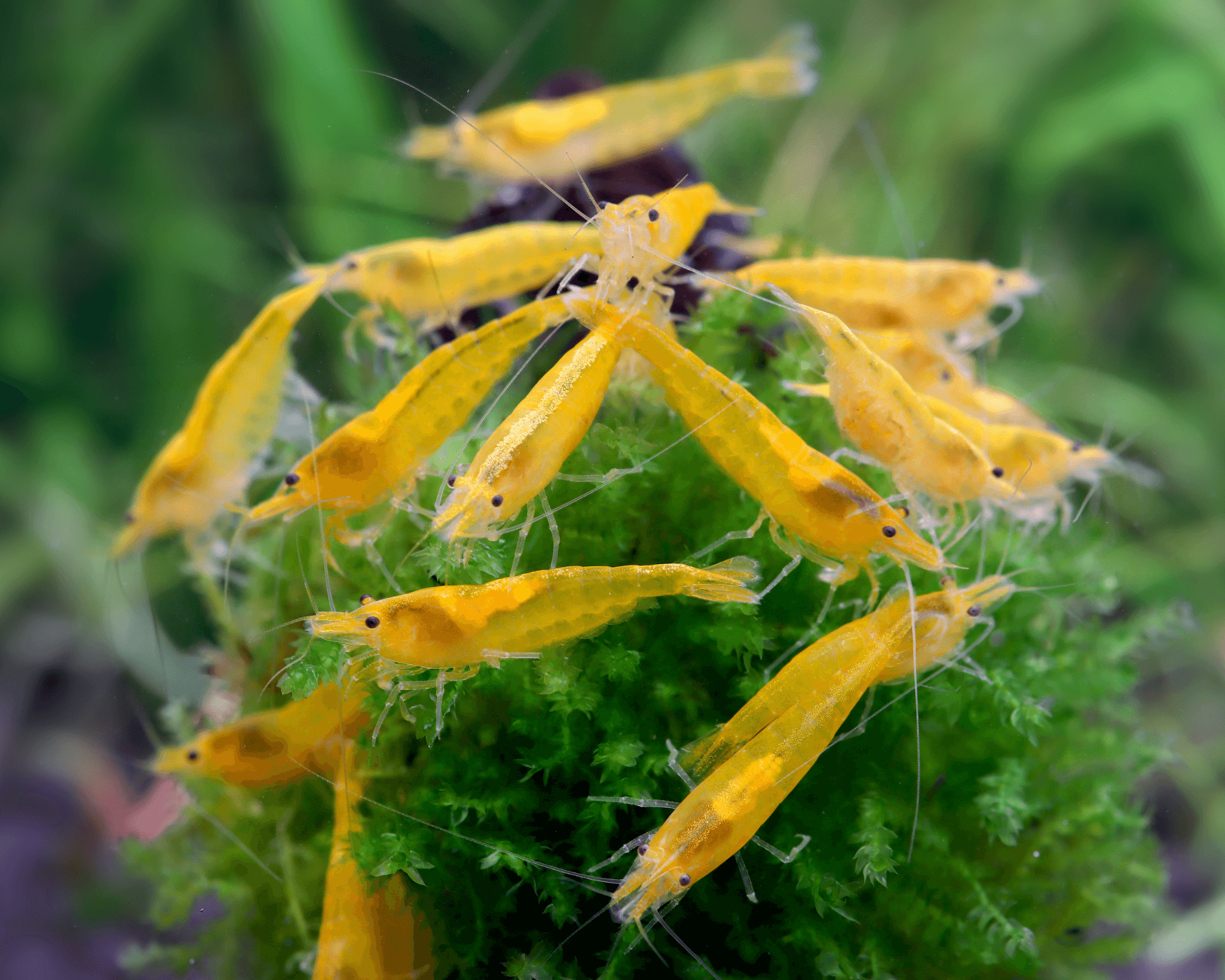
    The Yellow Fire shrimp is a vibrant color morph of the popular Neocaridina davidi species. Renowned for their bright, solid yellow coloration and undemanding nature, they are an excellent choice for beginner aquarists. These hardy freshwater invertebrates thrive in planted tanks, where they actively graze on algae and biofilm while contributing to a healthy, balanced aquarium ecosystem.
  • Orange Fire Shrimp: A Vibrant Neocaridina davidi Variant

    Orange Fire Shrimp: A Vibrant Neocaridina davidi Variant

    The Orange Fire shrimp is a striking color morph of the popular Neocaridina davidi freshwater species. Prized for its intense, vivid orange coloration, this hardy dwarf shrimp is an excellent choice for community aquariums and planted tanks. They are generally peaceful, prolific breeders, and perform a useful role as scavengers, consuming algae and organic debris within the aquarium environment.